



Titanium Heat Exchangers: Superior Performance for Energy and Marine Applications
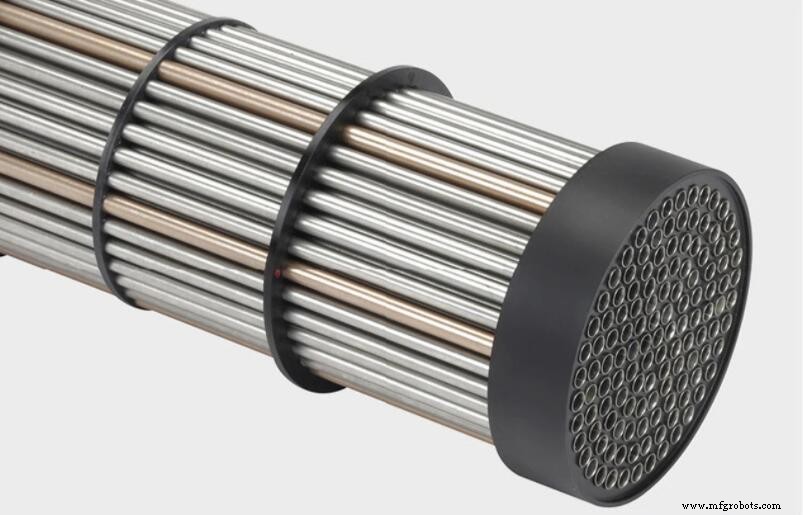
Titanium Heat Exchangers
Heat exchangers are critical components that transfer heat from a high‑temperature fluid to a low‑temperature one, enabling precise temperature control across a wide range of industrial processes. In this article we examine the advantages of using titanium for heat‑exchanger tubes and outline where this technology is most impactful.
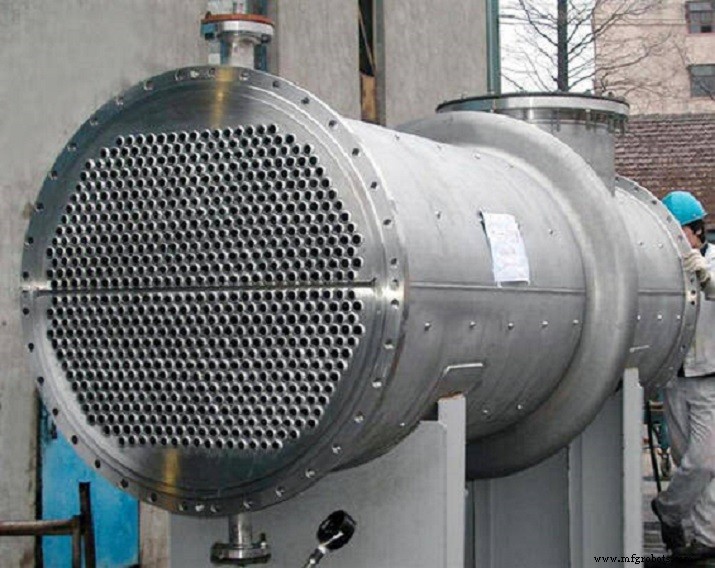
Titanium Heat Exchangers
Today, the majority of heat‑exchanger tubes are made from carbon steel, and some nuclear installations use stainless steel. Carbon steel offers a low upfront cost but tends to corrode after roughly eight years of operation. Stainless steel provides better durability—about 20 years—but its resistance to chloride‑induced corrosion can be inadequate for many applications.
Why Titanium?
Titanium brings several engineering advantages that translate into higher performance and lower operating costs:
- High specific strength: Enables thinner, lighter tubes that reduce equipment volume without compromising structural integrity.
- Exceptional corrosion resistance: Even highly aggressive media such as aqua regia fail to attack titanium, allowing designers to use thinner walls and improve heat‑transfer efficiency.
- Drop‑wise condensation: Titanium’s low wettability promotes droplet formation, which keeps the heat‑transfer surface clean and increases the overall heat‑transfer coefficient.
- Clean, smooth surface: Minimizes fouling and simplifies maintenance.
These benefits have made titanium heat exchangers a staple in demanding sectors.
Applications
Shipbuilding
On vessels, titanium tubes are employed in evaporator heaters, HVAC condensers, brine heaters, and engine‑cooling jackets. As maritime technology advances, the demand for lightweight, corrosion‑resistant heat exchangers continues to rise.
Nuclear Power
Since the 1972 deployment of the first all‑titanium condenser in a power plant, titanium has become standard in steam‑turbine condensers and cooling‑water systems for large nuclear and thermal power stations.
Marine Engineering & Offshore Drilling
Offshore platforms, especially in European coastal fields, use titanium extensively—accounting for about 19 % of the region’s industrial titanium consumption—to withstand corrosive marine environments.
Desalination
In seawater desalination plants, titanium heat exchangers are the preferred choice due to their resilience against saline corrosion and the ability to operate at high temperatures.
Conclusion
We hope this overview has clarified the key advantages of titanium heat exchangers. For more in‑depth information on titanium and its alloys, visit Advanced Refractory Metals (ARM), headquartered in Lake Forest, California. ARM supplies high‑quality refractory metals—including titanium, tungsten, molybdenum, tantalum, rhenium, and zirconium—to clients worldwide.
Metal
- Titanium in Watches: Innovation, Allergy‑Free Design, and Lightweight Performance
- Titanium Alloy Heat Treatment: Optimizing Strength, Stability, and Process Control
- Titanium Fasteners: Superior Strength, Corrosion Resistance, and Versatile Applications
- Titanium: Key Physical Properties and Industrial Significance
- Titanium: Key Properties, Applications, and Industrial Uses
- Heat Pump Technology: Design, Manufacturing, and Future Trends
- 3D Printing Revolutionizes Heat Exchangers: Lighter, Smarter, Faster
- Heat Exchanger Gaskets: Types, Selection, and Installation Tips
- Explore JM Industrial’s Heat Exchanger Portfolio: Types, Features & Applications
- Heat Exchangers Explained: Comprehensive Answers to Your Top Questions