



Titanium Alloy Investment Casting: Precision, Efficiency, and Material Selection

Titanium Alloy Investment Casting
Investment casting delivers titanium alloy components with exceptional surface finish and dimensional accuracy. Its ability to reproduce intricate geometries maximizes metal utilization. Though the process demands precise control and higher material costs, it remains the preferred method for high‑precision, complex parts—think turbine blades and aerospace connectors. This article delves into the nuances of titanium alloy investment casting.
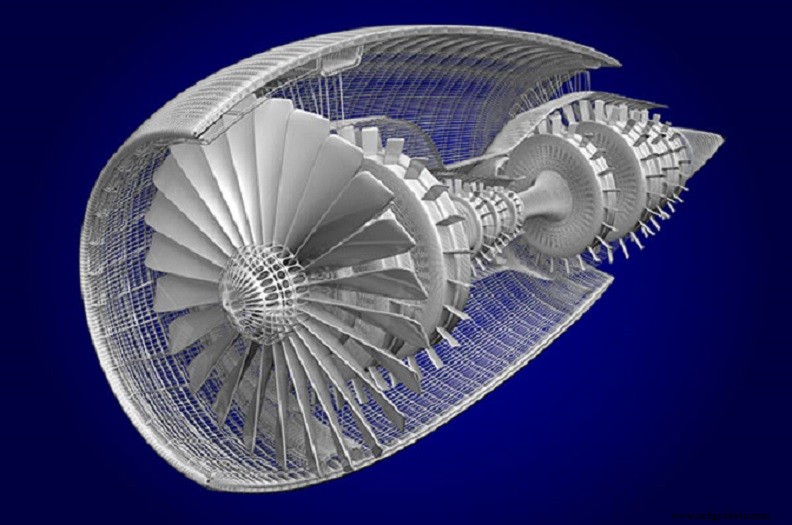
Titanium Alloy Investment Casting Technology
Titanium alloy is one of the most challenging metals for precision casting. Its high chemical reactivity means it can readily react with most refractory materials in the molten state, compromising the melt quality. Consequently, selecting the right shell material is critical to a successful titanium alloy investment casting process.
The modeling materials used for titanium alloy casting should meet the following essential criteria:
1. High chemical inertness—no reaction with molten titanium alloy.
2. Adequate thermal resilience—must withstand the high temperatures of molten titanium without softening or fracturing, and exhibit excellent refractoriness and thermal‑shock resistance.
3. Mechanical strength—robust enough to endure transportation and furnace handling without damage.
4. Low adsorption of water and gases—to minimize contamination.
5. Low thermal conductivity—to reduce casting defects caused by rapid cooling.
Current casting materials only partially satisfy these requirements and can be grouped into three main categories.
1. Carbon Refractory Materials
Artificial graphite—derived from petroleum coke and pitch and calcined at 2600–3000 °C—is the primary carbon refractory used. It offers high refractoriness under vacuum, a low coefficient of thermal expansion, and increasing strength with temperature, while remaining inert to molten titanium alloy. Nonetheless, it is prone to oxidation, high gas adsorption, and relatively high thermal conductivity, which can lead to microcracks on the casting surface.
2. Oxide Ceramic Materials
Oxide ceramics such as SiO₂, MgO, Al₂O₃, CaO, ZrO₂, Y₂O₃, and ThO₂ are widely employed in titanium alloy precision casting. Their reactivity with molten titanium progressively decreases across the series, providing more stable performance.
3. Metallic Materials and Other Options
Metals like copper, steel, and cast iron can serve as casting molds, but they struggle to produce complex titanium alloy geometries and are typically reserved for specific parts. Refractory metal powders—tungsten, molybdenum, tantalum, and niobium—possess high melting points and chemical stability when in contact with molten titanium alloy, making them excellent surface‑coating options for investment casting molds.
When executed correctly, titanium alloy investment casting can achieve a metal utilization rate exceeding 90%, significantly reducing production costs. It is poised to become a leading method for fabricating titanium alloy components in both aerospace and emerging civilian markets, and remains a focal point of ongoing research.
Conclusion
Thank you for reading. We hope this overview deepens your understanding of titanium alloy investment casting. For further insights into titanium and its alloys, visit Advanced Refractory Metals (ARM).
Headquartered in Lake Forest, California, USA, Advanced Refractory Metals (ARM) is a global leader in refractory metal manufacturing and supply, offering high‑quality alloys such as titanium, titanium alloys, tungsten, molybdenum, tantalum, rhenium, and zirconium at competitive prices.
Metal
- Titanium Alloy Heat Treatment: Optimizing Strength, Stability, and Process Control
- Titanium‑Alloy Carabiners: Superior Strength and Lightweight for Serious Climbers
- Chemical Milling of Titanium Alloys: Process, Benefits, and Best Practices
- Titanium Alloy Forging: Advanced Techniques for Aerospace & Power Generation
- Titanium Alloy Springs vs. Steel Springs: Performance, Advantages, and Applications
- Titanium Alloy 3D Printing: Applications, Benefits, and Industry Use Cases
- Titanium Alloys 101: Strength, Grades, and Key Benefits for Engineers
- Rapid Prototyping Revolutionizes Investment Casting for Aerospace, Automotive, and Defense Industries
- Advanced Surface Treatment Techniques for Aluminum Alloy Die Castings
- Titanium Alloys for Investment Casting: Types, Benefits, and Applications