



Titanium Alloy Springs vs. Steel Springs: Performance, Advantages, and Applications
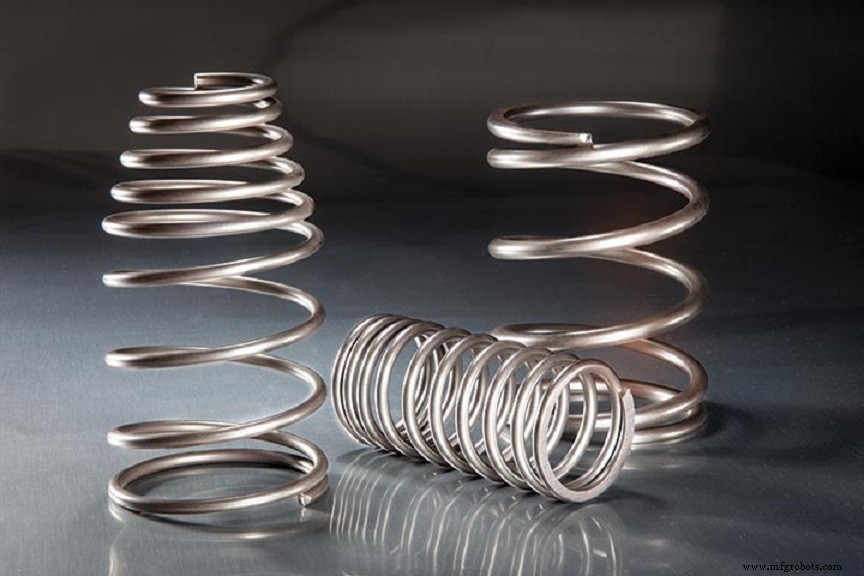
Titanium Alloy Springs vs. Steel Springs
Springs are integral to countless devices—from automotive suspension systems to precision clocks. While steel has long been the go‑to material, titanium alloys are rapidly emerging as the superior choice for high‑performance applications.
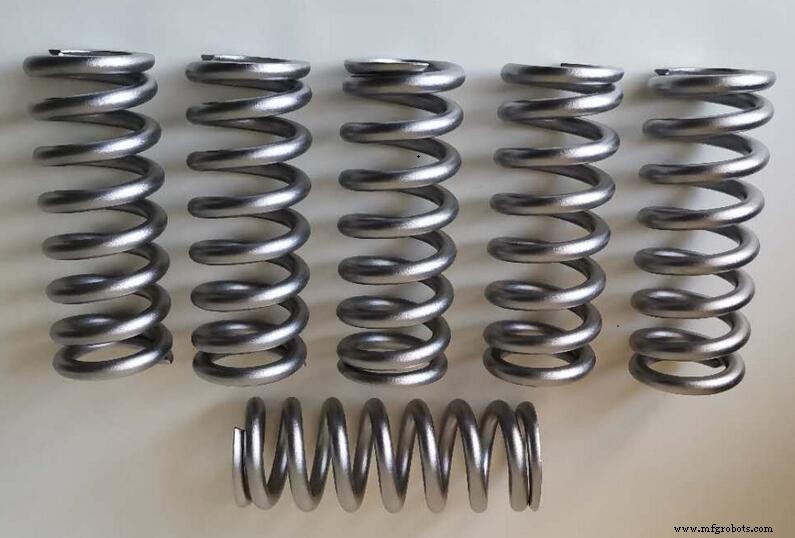
Titanium Alloy Springs
The Drawbacks of Steel Springs
- High Density: Steel’s density (~7.85 g/cm³) adds weight, reducing efficiency in aerospace and automotive systems.
- Limited Fatigue Life: As tensile strength increases, steel becomes more susceptible to stress concentration and spontaneous fracture under constant load.
- Corrosion Susceptibility: In harsh environments (e.g., chemical processing), steel can corrode, compromising spring integrity and device safety.
Why Titanium Alloy Springs Excel
- Lightweight: Titanium alloys such as Ti‑6Al‑4V have a density of ~4.43 g/cm³—almost half that of steel—yet deliver comparable tensile strength.
- High Specific Strength: Strength-to-weight ratio of titanium alloys exceeds steel, enabling smaller diameter and fewer turns while maintaining performance.
- Low Elastic Modulus: The lower modulus (~110 GPa vs steel’s ~210 GPa) enhances resonance frequency and reduces vibration fatigue.
- Excellent Corrosion Resistance: Naturally forms a protective oxide layer, making titanium ideal for corrosive environments.
- Superior Fatigue Resistance: Titanium’s crystal structure resists crack initiation, extending service life in cyclic loading scenarios.
High‑Strength β Titanium Alloys for Springs
For critical applications, engineers favor high‑strength β titanium alloys—e.g., Ti‑3Al‑8V‑6Cr‑4Mo‑4Zr—because they combine near‑steel strength with the weight and corrosion advantages of titanium.
Applications Across Industries
- Aviation & Aerospace: Engine valve springs, landing gear, and control surface mechanisms.
- Automotive: Engine valve springs, suspension components, and high‑performance racing vehicles (Formula One, Ferrari).
- Petrochemical & Chemical Processing: Valve springs in corrosive environments, reducing maintenance downtime.
- Metallurgical & Mining: Heavy‑duty springs for crushers and conveyor systems.
- Food & Pharmaceutical: Springs in packaging machinery where hygiene and corrosion resistance are paramount.
Conclusion
Titanium alloy springs offer a compelling blend of strength, lightness, and durability that surpasses traditional steel springs in demanding applications. For deeper technical insights or product inquiries, visit Advanced Refractory Metals (ARM), a global leader in titanium and other refractory metals.
Metal
- Titanium Alloy Heat Treatment: Optimizing Strength, Stability, and Process Control
- Titanium‑Alloy Carabiners: Superior Strength and Lightweight for Serious Climbers
- Titanium Alloy Investment Casting: Precision, Efficiency, and Material Selection
- Chemical Milling of Titanium Alloys: Process, Benefits, and Best Practices
- Titanium Alloy Forging: Advanced Techniques for Aerospace & Power Generation
- How Titanium Alloys Transform Golf Club Performance
- Welding Titanium Alloys to Stainless Steel: Challenges and Best Practices
- Titanium Alloy 3D Printing: Applications, Benefits, and Industry Use Cases
- Titanium Alloys 101: Strength, Grades, and Key Benefits for Engineers
- Alloy Steel Explained: Composition, Types, and Applications