



Chemical Milling of Titanium Alloys: Process, Benefits, and Best Practices
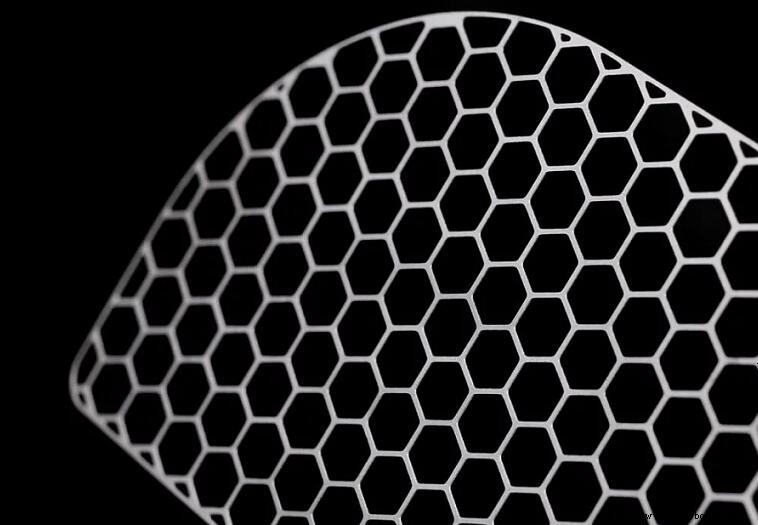
Chemical Milling of Titanium Alloys
When machining titanium alloys, conventional cutting often leads to rapid tool wear and surface damage because of poor thermal conductivity and low hardness. Chemical milling—also known as selective chemical etching—offers a precise, low‑stress alternative that preserves mechanical integrity while delivering complex geometries with tight tolerances.
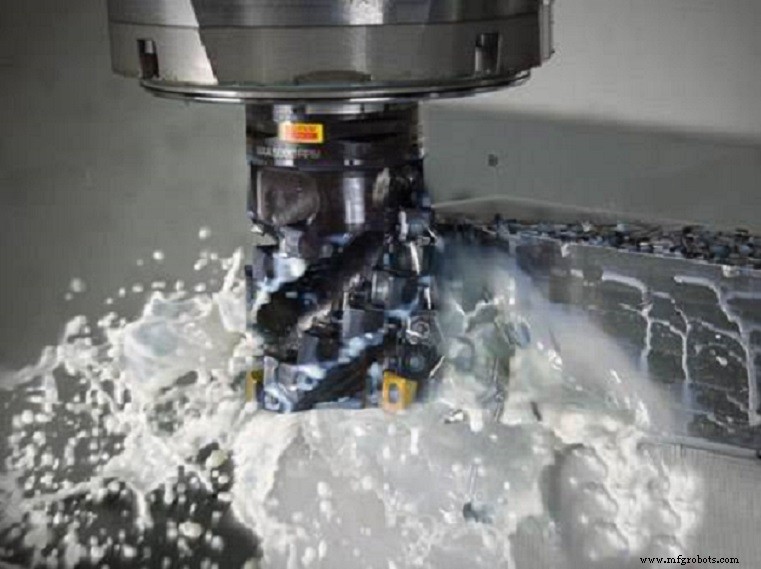
Chemical Milling of Titanium Alloy
Titanium Alloy Chemical Milling Process
The workflow can be broken down into five critical stages:
- Surface Cleaning – Thorough degreasing, followed by pickling or electrolytic etching to remove oxides and contaminants. A clean surface is essential for coating adhesion and uniform corrosion.
- Protective Coating – Apply a high‑performance, solvent‑stable resin (polyhexene or styrene‑butadiene rubber) via brushing, spraying, or electrophoretic deposition. The coating must resist peeling and maintain a stable liquid form.
- Engraving & Peeling – Use a scoring knife and custom template to expose the exact area for etching. Carefully peel the coating, ensuring edges remain intact and the underlying surface is free of defects.
- Selective Chemical Corrosion – Immerse the part in an acidic bath (HF–HNO₃ or HF–H₂CrO₄). This step removes material precisely where the coating was removed, achieving uniformity and preventing hydrogen embrittlement.
- Neutralization & Post‑Treatment – Rinse in lye, then with clean water, and remove any residual oxide scales. The finished component is ready for inspection or further processing.
While chemical milling improves production efficiency and product quality, it does generate hazardous effluents that require careful disposal. Ongoing research focuses on greener, less toxic etchants.
Conclusion
By following these steps, manufacturers can achieve high‑precision titanium alloy components with minimal thermal damage. For more detailed guidance on titanium alloys and refractory metals, visit Advanced Refractory Metals (ARM).
ARM has over two decades of experience supplying high‑quality titanium, titanium alloys, and tungsten to support R&D and production worldwide. Trust ARM to be your partner in advanced materials.
Metal
- Titanium Alloy Heat Treatment: Optimizing Strength, Stability, and Process Control
- Titanium‑Alloy Carabiners: Superior Strength and Lightweight for Serious Climbers
- Titanium Alloy Investment Casting: Precision, Efficiency, and Material Selection
- Titanium Alloy Forging: Advanced Techniques for Aerospace & Power Generation
- How Titanium Alloys Transform Golf Club Performance
- Titanium Alloy Springs vs. Steel Springs: Performance, Advantages, and Applications
- Titanium Alloy 3D Printing: Applications, Benefits, and Industry Use Cases
- Titanium‑Aluminum Alloys: Advanced Preparation Techniques and Key Industrial Applications
- Titanium: Key Chemical Properties and Corrosion Behavior
- Titanium Alloys 101: Strength, Grades, and Key Benefits for Engineers