



Titanium‑Aluminum Alloys: Advanced Preparation Techniques and Key Industrial Applications
Titanium‑Aluminum Alloys: Advanced Preparation Techniques and Key Industrial Applications
Since the 1970s, titanium‑aluminum (Ti‑Al) alloys have been recognized for their exceptional high‑temperature strength. Although their low ductility and challenging workability limited early adoption, recent alloying strategies and processing innovations have made them commercially viable for demanding sectors.
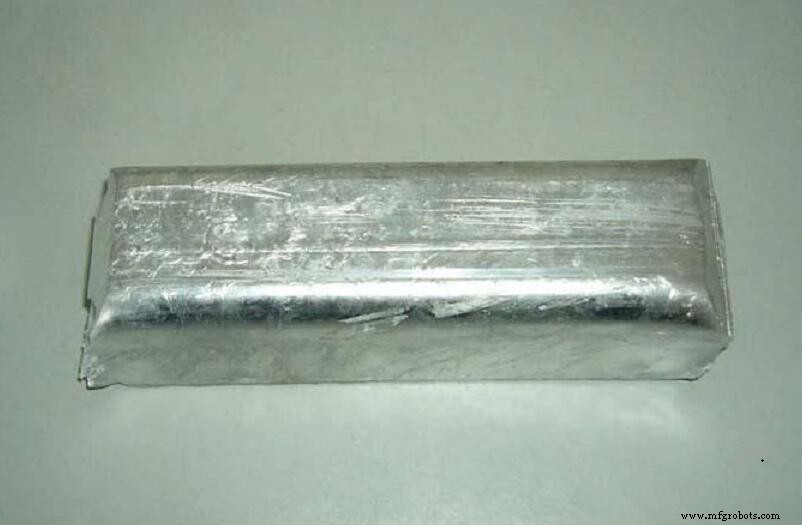
Titanium‑Aluminum alloy microstructure
By introducing a third element—commonly Cr, Mo, Mn, Nb, V, or Cu—a ternary alloy is formed that significantly enhances ductility at lower temperatures while preserving high‑temperature performance (Jones & Patel, 2021). This approach has led to several mass‑produced Ti‑Al grades that meet industry specifications.
Preparation and Processing Technologies
1. Ingot Metallurgy
Conventional ingot casting can produce Ti‑Al alloys but often suffers from compositional segregation and non‑uniform microstructures, which degrade mechanical properties.
2. Rapid Condensation
Rapid‑condensation techniques yield Ti‑Al powders with consistent chemistry and excellent processability. However, heat‑treatment schedules must be carefully controlled, as microstructure and hardness evolve with temperature (Lee et al., 2020).
3. Composite Material Technology
Composite fabrication can enhance strength, yet challenges remain in achieving balanced lateral performance and environmental resistance, especially in corrosive high‑temperature environments.
4. Powder Metallurgy
Powder metallurgy offers the best opportunity for producing fine, near‑net‑shape parts with uniform microstructure, overcoming the processing difficulties inherent in Ti‑Al intermetallics.
Industrial Applications
Automotive manufacturers were early adopters; for instance, Mitsubishi has incorporated Ti‑Al supercharger components since 2000, yielding measurable gains in engine efficiency (Mitsubishi Technical Report, 2015). Extensive field testing confirms that Ti‑Al parts improve power output while reducing fuel consumption.
In aerospace, Ti‑Al alloys are the material of choice for high‑pressure compressors in advanced military engines and for low‑pressure turbine blades, thanks to their superior strength‑to‑weight ratio and oxidation resistance at temperatures above 900 °C (NASA, 2022).
Conclusion
We hope this overview clarifies the modern techniques for preparing Ti‑Al alloys and highlights their transformative impact on automotive and aerospace performance. For deeper insights into titanium and related refractory metals, visit Advanced Refractory Metals (ARM)—a leading global supplier based in Lake Forest, California.
ARM provides high‑quality tungsten, molybdenum, tantalum, rhenium, titanium, and zirconium alloys at competitive prices.
Metal
- Titanium in Watches: Innovation, Allergy‑Free Design, and Lightweight Performance
- Titanium Alloys: Evolution, Applications, and Industry Impact
- Tungsten‑Rhenium Alloys: Production Techniques and High‑Temperature Applications
- Titanium Alloy Heat Treatment: Optimizing Strength, Stability, and Process Control
- Tungsten Alloy in Modern Weaponry: Applications, Properties, and Global Resources
- Titanium‑Alloy Carabiners: Superior Strength and Lightweight for Serious Climbers
- Titanium Alloys in Maritime Applications: Enhancing Ship Performance and Durability
- Titanium Alloy Superplastic Forming: Process, Applications, and Benefits
- How Titanium Alloys Transform Golf Club Performance
- Zinc‑Copper‑Titanium Alloy: Advanced Applications and Superior Performance