



Titanium Alloy 3D Printing: Applications, Benefits, and Industry Use Cases
Applications of Titanium Alloy 3D Printing Technology
3D printing has emerged as a revolutionary manufacturing method, seamlessly blending digital design with additive manufacturing to produce complex metal parts without the need for traditional molds. Titanium alloy, prized for its exceptional strength-to-weight ratio, corrosion resistance, and biocompatibility, is a leading material in this field. Below we examine the key industries where titanium alloy 3D printing is driving innovation.
Applications of Titanium Alloy 3D Printing Technology
1. Medical Applications
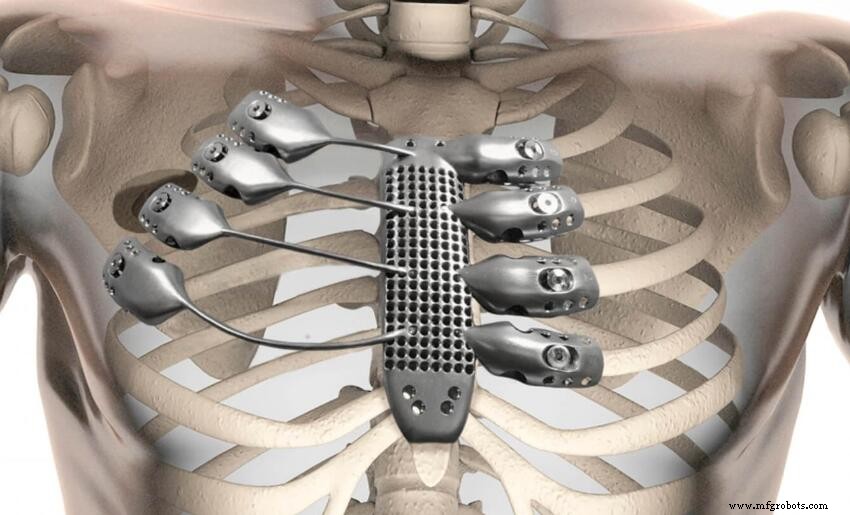
Titanium’s biophilic nature—non‑toxic, high temperature tolerance, and a modulus of elasticity closely matching human bone—makes it ideal for medical implants. Additive manufacturing allows surgeons to fabricate custom orthopaedic components, such as joint replacements and spinal cages, that conform precisely to a patient’s anatomy. In dentistry, 3D‑printed titanium crowns, bridges, orthodontic brackets, and denture frameworks provide enhanced fit, durability, and reduced treatment times.
2. Mold and Tooling Industry
Unlike conventional mold fabrication, which relies on subtractive machining and extensive setup, 3D printing delivers high‑precision molds directly from CAD models. The digital workflow eliminates guesswork, shortens lead times, and dramatically cuts production costs—particularly for complex geometries that would otherwise require multi‑step machining or expensive tooling.
3. Aerospace Sector
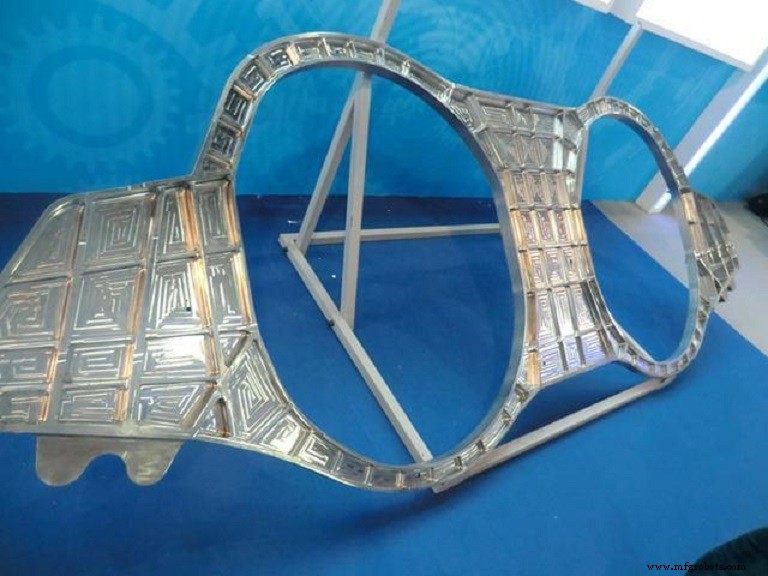
Weight reduction and structural integrity are paramount in aerospace design. Titanium alloy parts produced by additive manufacturing can feature intricate lattice structures that maintain strength while trimming mass. The process also enables rapid prototyping, on‑site repair of damaged components, and the production of single‑piece parts that eliminate assembly joints, thereby reducing potential failure points and costly downtime.
Conclusion
From life‑saving medical devices to cutting‑edge aerospace components, titanium alloy 3D printing is reshaping how industries build complex, high‑performance parts. For deeper insight into titanium and related refractory metals, visit Advanced Refractory Metals (ARM), a global leader in high‑quality refractory metals and alloys.
Metal
- Titanium Alloy Heat Treatment: Optimizing Strength, Stability, and Process Control
- Titanium‑Alloy Carabiners: Superior Strength and Lightweight for Serious Climbers
- Titanium Alloy Oil Well Pipes: Superior Performance and Key Advantages
- Titanium Alloy Investment Casting: Precision, Efficiency, and Material Selection
- Chemical Milling of Titanium Alloys: Process, Benefits, and Best Practices
- Titanium Alloy Forging: Advanced Techniques for Aerospace & Power Generation
- Titanium Alloy Springs vs. Steel Springs: Performance, Advantages, and Applications
- Titanium Valves: Properties, Performance, and Key Applications
- How Titanium Alloys Drive Performance and Efficiency in Modern Automobiles
- Top 5 Metal Powders for Advanced 3D Printing