



Titanium Fasteners: Superior Strength, Corrosion Resistance, and Versatile Applications
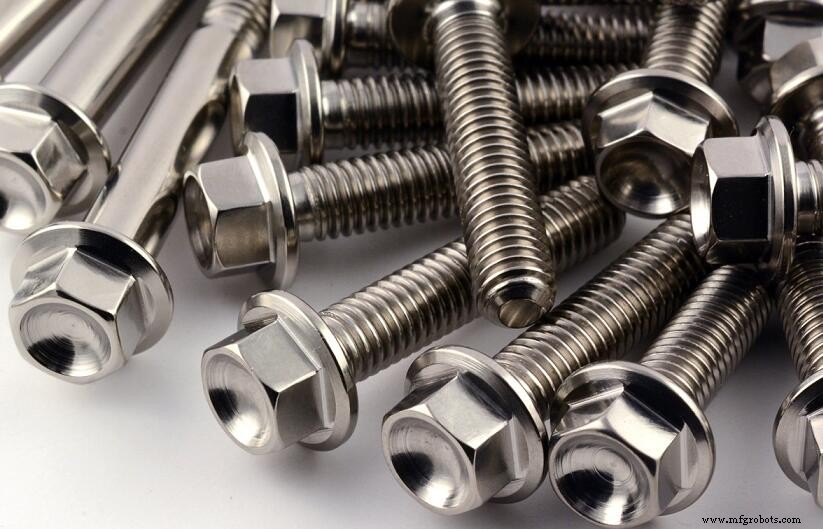
Titanium Fasteners: Superior Strength, Corrosion Resistance, and Versatile Applications
Titanium fasteners are increasingly favored across high‑performance sectors due to their unique combination of lightweight strength, outstanding corrosion resistance, and temperature tolerance. Though they carry a premium price, the long‑term benefits and reliability they provide make them indispensable for many critical applications.
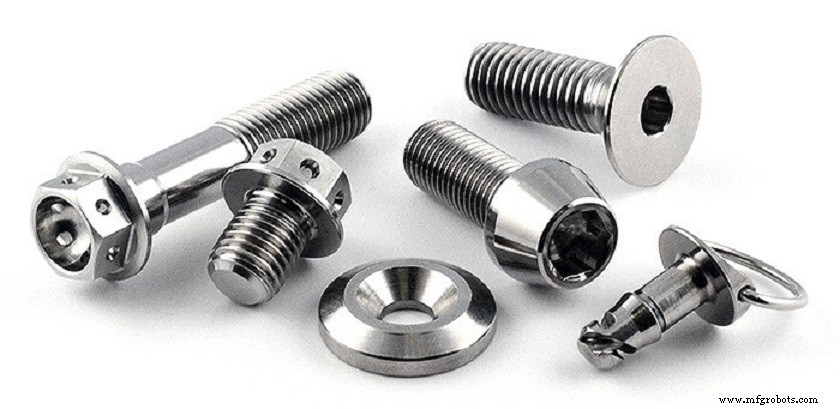
Advantages of Titanium Fasteners
Key Performance Advantages
- High Specific Strength – With a density of 4.51 g cm⁻³, titanium offers a superior strength‑to‑weight ratio compared to aluminum and a much lighter profile than steel or copper alloys.
- Exceptional Corrosion Resistance – Titanium and its alloys form a stable, self‑protecting oxide layer that withstands chloride, acidic, and alkaline environments, making them ideal for marine, chemical, and biomedical use.
- Wide Temperature Range – Operates reliably from −250 °C to 600 °C without losing mechanical integrity, enabling use in cryogenic and high‑heat applications.
- Non‑magnetic & Biocompatible – Titanium remains non‑magnetic under strong magnetic fields and is well‑tolerated by human tissue, a critical requirement for medical implants and electronic devices.
- Superior Vibration Damping – Titanium’s low damping coefficient preserves structural resonance, making it suitable for precision instruments such as ultrasonic transducers and high‑fidelity speakers.
Industry Applications
- Nuclear Power – Used in reactor piping, containment structures, and safety components where corrosion resistance and structural integrity are paramount.
- Electronics – Non‑magnetic fasteners prevent signal interference in smartphones, laptops, and RF equipment, while their light weight reduces overall device mass.
- Medical Devices – Titanium fasteners secure orthopedic implants, dental fixtures, and surgical instruments, offering durability without compromising patient safety.
- Aerospace – Replacing steel fasteners reduces aircraft weight, improves fuel efficiency, and eliminates magnetic interference in avionics systems.
As titanium processing advances and supply chains expand, these fasteners are becoming accessible beyond specialized industries, finding roles in consumer products, automotive, and renewable energy systems.
Conclusion
Understanding the inherent advantages of titanium fasteners—strength, corrosion resistance, temperature tolerance, biocompatibility, and vibration damping—can guide informed material selection for critical applications. For deeper technical specifications and supply options, visit Advanced Refractory Metals (ARM), a leading global manufacturer of titanium and other refractory metals.
Metal
- Titanium in Watches: Innovation, Allergy‑Free Design, and Lightweight Performance
- Titanium‑Alloy Carabiners: Superior Strength and Lightweight for Serious Climbers
- Titanium Alloy Oil Well Pipes: Superior Performance and Key Advantages
- Titanium Heat Exchangers: Superior Performance for Energy and Marine Applications
- Titanium: Key Physical Properties and Industrial Significance
- Titanium: Key Chemical Properties and Corrosion Behavior
- Titanium in Automotive Engineering: Benefits, Challenges, and Cost Considerations
- Titanium: The Aerospace Champion—High Melting Point, Strength, Corrosion Resistance, Lightweight, and Fully Recyclable
- Titanium: Key Properties, Applications, and Industrial Uses
- How Automation Transforms Manufacturing: Key Advantages and ROI