



Titanium Unveiled: 10 Key Facts About the World’s Most Versatile Metal
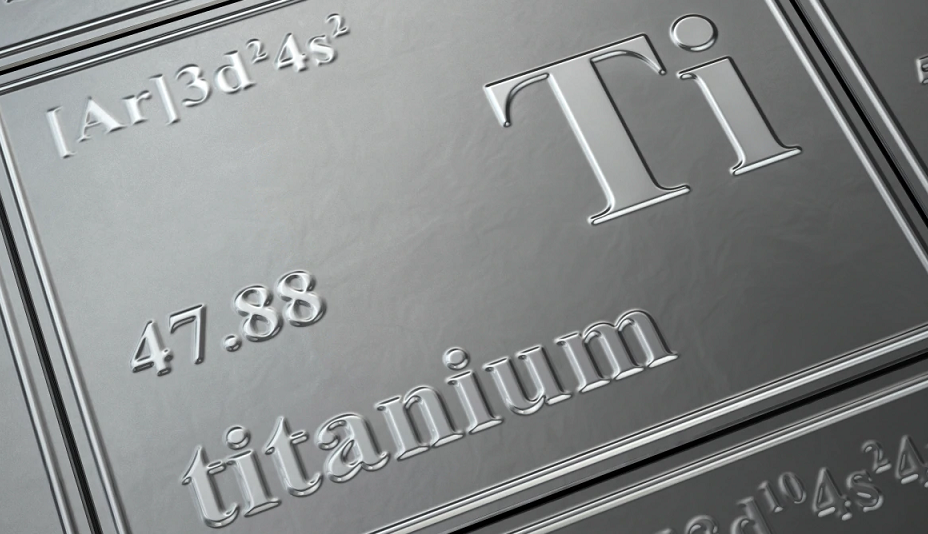
Titanium Unveiled: 10 Key Facts About the World’s Most Versatile Metal
Titanium is a high‑performance refractory metal celebrated for its lightweight strength, corrosion resistance, and biocompatibility. From aerospace structures to medical implants, this element quietly shapes modern technology—and it even resides in the human body.
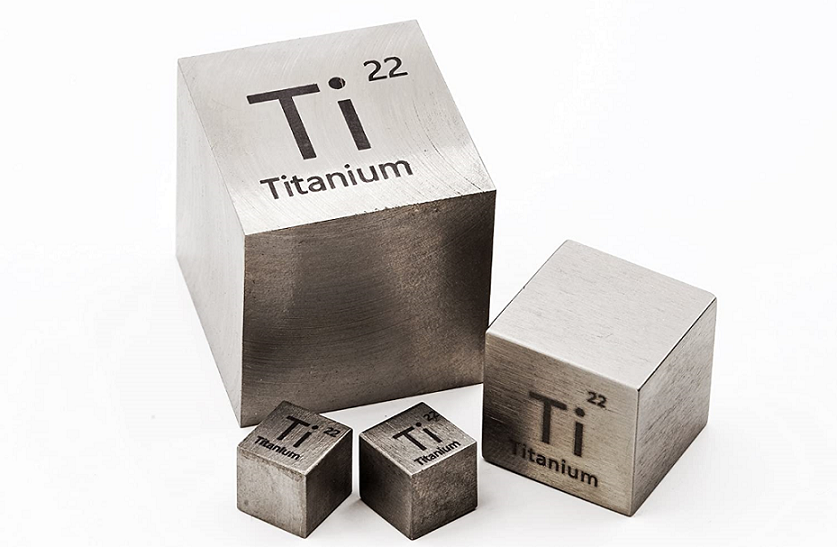
Interesting Facts About Titanium
1. Mythic Roots: The Greek Titan Connection
Named after the mythical Titan giants, titanium carries a legacy of strength and endurance. In Greek lore, Titans were earth‑bound deities whose might was eclipsed by the Olympian gods, a fitting metaphor for the element’s robust yet adaptable nature.
2. Discovery History
Titanium’s journey began in 1791 when William Gregor, a Cornish priest, identified a new metal in the ore “Manaccan.” Though Gregor reported his findings to the Royal Geological Society and published in the Chronicle of Chemistry, the element remained unpurified for decades. In 1794, German chemist Martin Heinrich Klaproth independently isolated the same metal and christened it titanium. The first successful purification, however, came in 1910 by metallurgist Matthew Hunt in New York, paving the way for industrial use.
3. Titanium Is Everywhere
As the ninth most abundant element in the Earth’s crust, titanium is ubiquitous. It occurs in igneous rocks, marine organisms, even in the human body’s bone matrix. Though it rarely exists as pure metal in nature, its compounds are foundational to many natural processes.
4. Dominant Applications
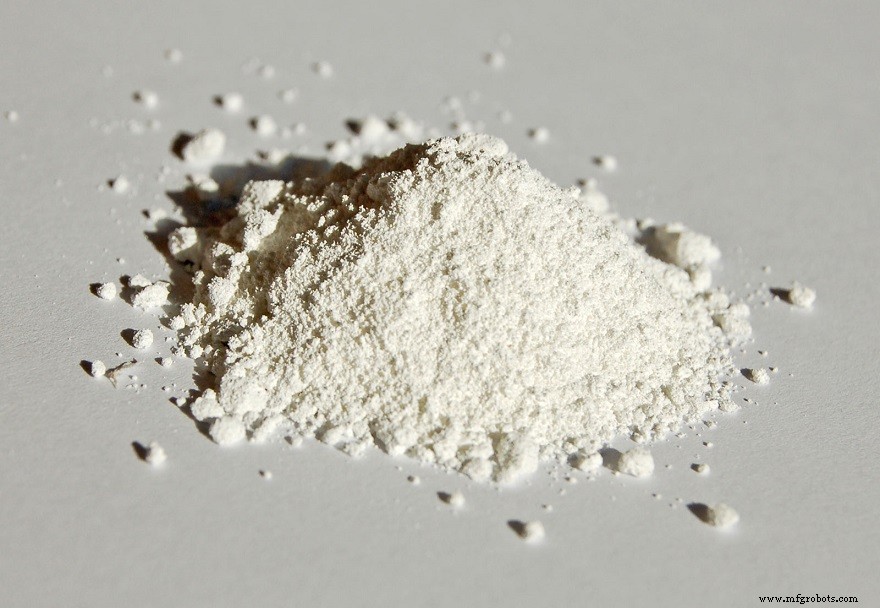
Approximately 95% of purified titanium is converted into titanium dioxide (TiO₂), the white pigment that colors paints, sunscreens, and countless consumer goods. Beyond pigmentation, titanium alloys form the backbone of aircraft frames, sports equipment, and high‑performance jewelry.
5. Ultra‑High Specific Strength
With a density only 60% that of aluminum, titanium’s tensile strength exceeds aluminum by over twofold and rivals steel while weighing less than half. This unique balance makes it ideal for weight‑critical applications such as aerospace and high‑performance sporting goods.
6. Exceptional Corrosion Resistance
Immersed in seawater for 4,000 years, titanium’s passive oxide layer thins to merely the width of a paper sheet. This resilience makes it the material of choice for marine, chemical, and biomedical environments where longevity is paramount.
7. Biomedicine: A Living Element
Titanium’s inertness and ability to support bone ingrowth have revolutionized orthopedic and dental implants. Its biocompatibility ensures minimal immune response, while its structural integrity provides long‑term durability.

Titanium in Medicine
8. Nuclear Waste Storage
Titanium’s corrosion resistance extends to extreme environments; containers made from this metal can safely store nuclear waste for up to 100,000 years, surpassing conventional steel containment.
9. Ti‑Gold: A Durable Alloy
What many call “24‑k gold” often contains a subtle 1% titanium addition. This blend preserves gold’s hallmark carat rating while enhancing hardness and resistance to tarnish.
10. Transition Metal Characteristics
As a transition metal, titanium boasts a high melting point (1,668 °C), excellent strength, and low density. It is non‑magnetic and exhibits limited electrical conductivity—traits that distinguish it from most other metals.
Conclusion
We hope this deep dive into titanium’s remarkable properties and applications has expanded your appreciation for this indispensable element. For further exploration of titanium and other refractory metals, visit Advanced Refractory Metals to discover premium grades at competitive prices.
Metal
- 6 Key Insights Into Vanadium
- Tantalum: 5 Fascinating Facts About the High‑Temperature Refractory Metal
- Molybdenum Uncovered: 7 Key Facts About the Versatile Refractory Metal
- 8 Fascinating Facts About Zirconium
- 6 Fascinating Facts About Nickel – History, Properties, and Global Impact
- 7 Fascinating Insights About Chromium: From Discovery to Health Impacts
- 7 Expert-Backed Facts About Hafnium: Discovery, Properties, and Modern Applications
- 7 Fascinating Facts About Tungsten: From Discovery to Modern Applications
- Rhenium: 6 Fascinating Facts About This Rare, High‑Melting Metal
- 5 Fascinating Facts About Tungsten: Naming, Melting Point, and More