



7 Fascinating Facts About Tungsten: From Discovery to Modern Applications
7 Fascinating Facts About Tungsten
Tungsten (W, atomic number 74) is the silver‑white metal most people recognize from incandescent light bulb filaments. Below are seven key facts that highlight its rich history, global significance, and exceptional properties.
1. The Discovery of Tungsten
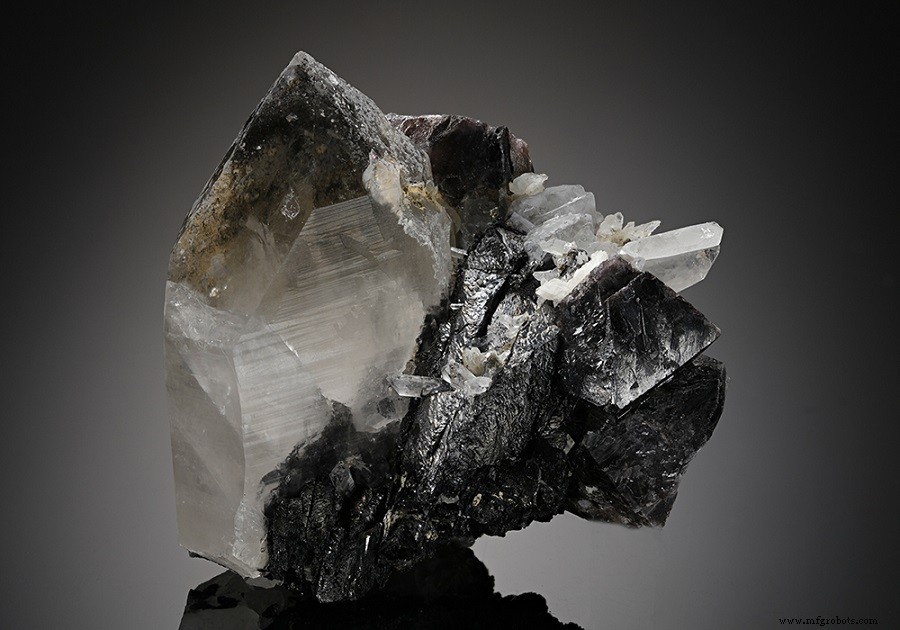
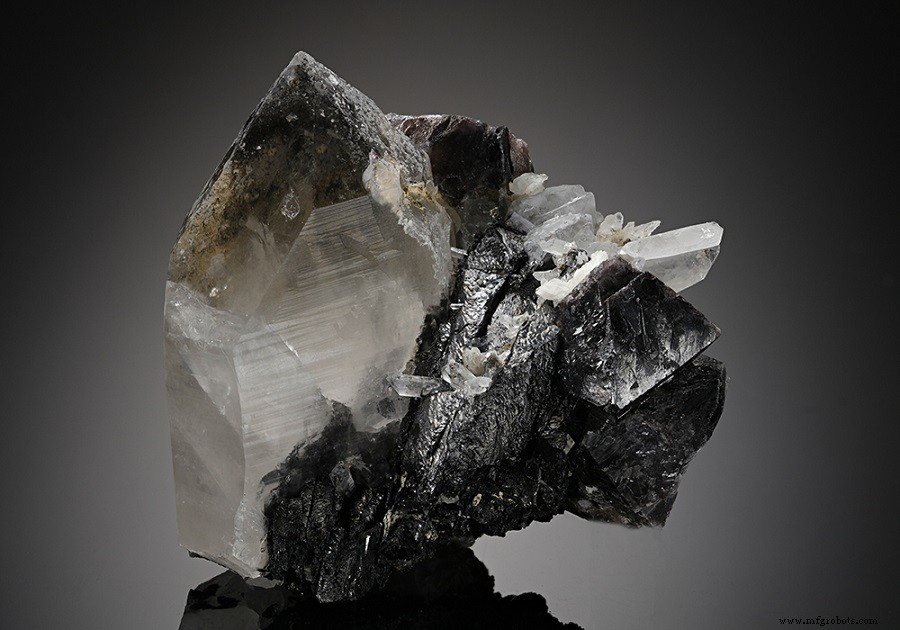
The first hints of tungsten appeared in 17th‑century German mines, where miners observed that certain ores interfered with cassiterite reduction, earning them nicknames such as "wolfert" and "wolfrahm." In 1758, Swedish chemist A.F. Cronstedt named the mineral "tungsten," meaning "heavy stone" in Swedish. By 1783, the D’Elhuyar brothers successfully reduced tungsten trioxide to metallic powder, marking the first synthesis of tungsten metal.
2. The Rise of the Tungsten Industry
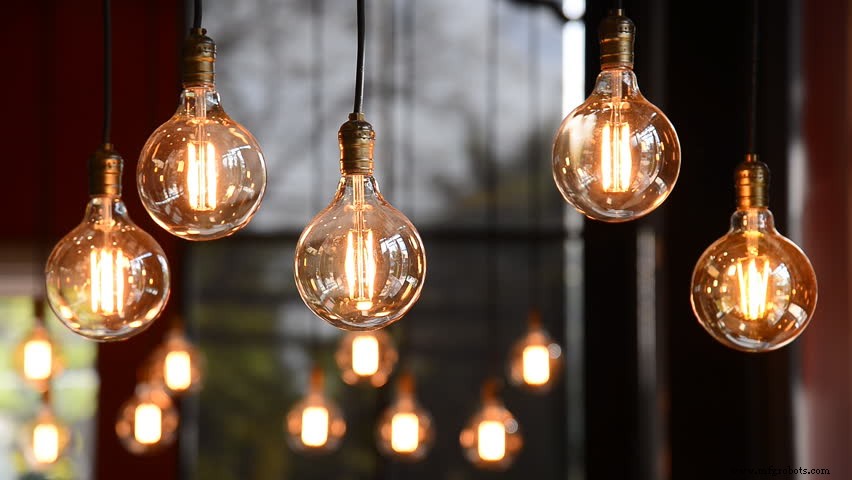
Robert Oxland’s 1841 patent for sodium tungstate and tungstic acid paved the way for industrial production. The 1850s saw the first experiments adding tungsten to steel, leading to high‑speed steels with up to 20% tungsten—first showcased at the 1900 Paris World’s Fair. By the early 20th century, tungsten’s role expanded into lighting, cutting tools, and armor‑piercing projectiles.
3. Global Tungsten Resources
Most tungsten deposits lie along the Alps‑Himalayas and Pacific Rim belts. China dominates the reserves, holding roughly 58% of the world’s 3.3 million‑ton supply, followed by Canada, Russia, and the United States. Other notable producers include Bolivia, Australia, and Portugal.
4. Worldwide Production Trends
In 2014, global production reached 82,400 tons—an increase of 1% over 2013. China accounted for 84% of output (68,000 tons), with Russia and Canada contributing 3,600 tons and 2,200 tons respectively. Other significant producers include Vietnam, Bolivia, and Austria.
5. Economic Tungsten Ores
Out of more than 20 identified tungsten minerals, only wolframite and scheelite are economically viable. Wolframite is a brown‑black ore found mainly in China, Russia, and Australia, while scheelite—yellowish‑white with a fluorescent sheen—is a key source for tungsten smelting.
6. Outstanding Physical Properties
Tungsten boasts the highest melting point of all metals (3,422 °C) and a density of 19.3 g/cm³, comparable to gold. Its hardness rivals that of diamond in the form of tungsten carbide, and it offers excellent electrical and thermal conductivity, a minimal coefficient of thermal expansion, and remarkable chemical inertness at ambient conditions.
7. Diverse Applications
Approximately 50% of mined tungsten is used in high‑grade steel alloys, 35% in hard‑steel production, 10% for wire manufacturing, and the remainder for specialty uses. Its strength and resilience make it ideal for firearms, rocket nozzles, armor‑piercing projectiles, cutting tools, and precision molds. Tungsten also plays a vital role across mining, metallurgy, aerospace, electronics, and defense sectors.
Conclusion
We hope you found these insights into tungsten as intriguing as we do. For deeper exploration of refractory metals, visit Advanced Refractory Metals (ARM) in Lake Forest, California—an industry leader in tungsten, molybdenum, tantalum, rhenium, titanium, and zirconium products.
Metal
- 6 Key Insights Into Vanadium
- Tantalum: 5 Fascinating Facts About the High‑Temperature Refractory Metal
- Molybdenum Uncovered: 7 Key Facts About the Versatile Refractory Metal
- 8 Fascinating Facts About Zirconium
- 6 Fascinating Facts About Nickel – History, Properties, and Global Impact
- 7 Fascinating Insights About Chromium: From Discovery to Health Impacts
- 7 Expert-Backed Facts About Hafnium: Discovery, Properties, and Modern Applications
- Rhenium: 6 Fascinating Facts About This Rare, High‑Melting Metal
- Titanium Unveiled: 10 Key Facts About the World’s Most Versatile Metal
- 5 Fascinating Facts About Tungsten: Naming, Melting Point, and More