



Top 3 Tungsten Alloys and Their Key Applications

Top 3 Tungsten Alloys and Their Key Applications
W — the element with the highest melting point of all metals (3,422 °C / 6,186 °F) — is prized for its exceptional high‑temperature strength, creep resistance, thermal and electrical conductivity, and electron emission performance. When alloyed with other elements, tungsten’s versatility expands even further, making it indispensable in aerospace, defense, electronics, and high‑performance industrial sectors. Below, we examine the three most prevalent tungsten alloys used today and their standout applications.
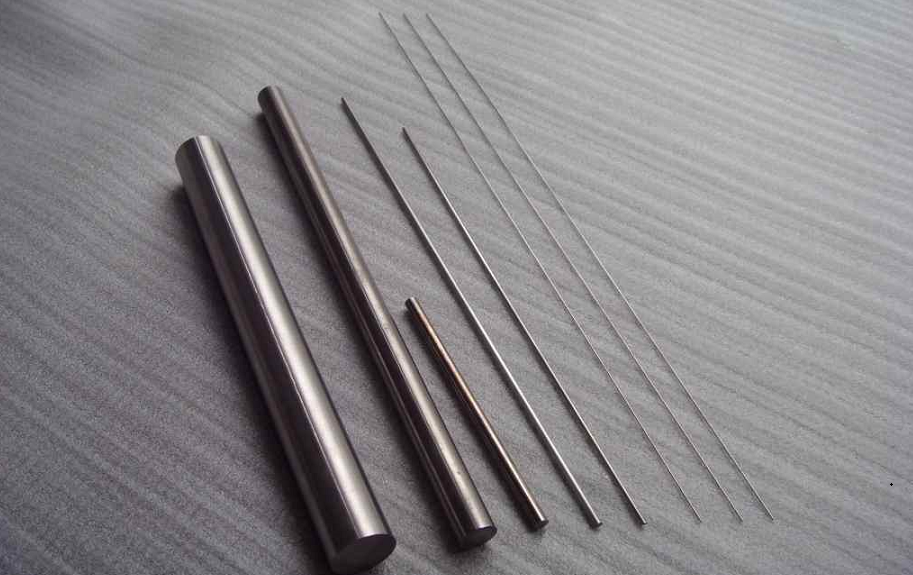
Tungsten Alloys
1. Molybdenum‑Tungsten Alloys
Molybdenum‑tungsten (Mo‑W) alloys typically contain 25–30 % tungsten, providing a material that outperforms pure molybdenum in high‑temperature environments. The Mo‑W system forms a continuous solid solution, which imparts superior corrosion resistance—especially against molten zinc—and a higher service life in demanding furnace components.
Applications
• Electrodes, spouts, and thimbles in high‑temperature furnaces that produce refractory ceramic fibers.
• Temperature‑sensing tubes and pump rotors in zinc smelting plants.
• Solid‑rocket motor gas rudders and guard plates, where high melting point, ablation resistance, and flame‑erosion resistance are critical.
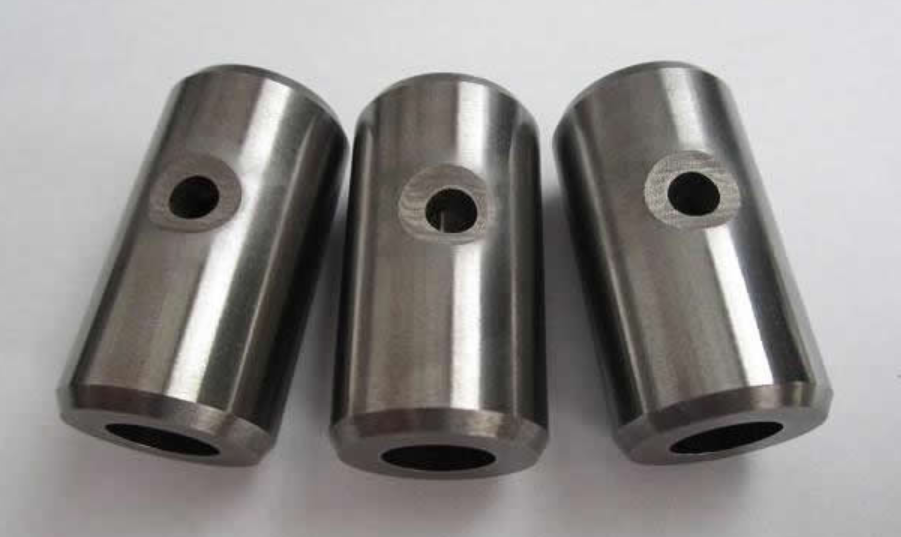
Molybdenum‑Tungsten Alloys
2. Niobium‑Tungsten Alloys
Niobium‑tungsten (Nb‑W) alloys form an infinite solid solution that combines the high‑temperature strength of tungsten with the room‑temperature ductility of niobium. This unique property set makes Nb‑W alloys ideal for components that must withstand extreme thermal cycling without losing structural integrity.
Applications
• Space shuttle skins and nuclear reactor internals.
• Jet engine parts and high‑temperature heat‑radiation ducts for space power systems.
• Launch‑vehicle shielding (e.g., the Chang’e‑3 launch tail) where thin, high‑temperature‑resistant materials are required.
Niobium‑Tungsten Alloys
3. Tungsten Carbide (WC‑Co)
Tungsten carbide is the most widely produced tungsten alloy. It consists of tungsten, carbon, and typically 5–15 % cobalt binder. WC‑Co offers exceptional hardness (up to 9.5 GPa), wear resistance, and corrosion resistance, earning it the nickname “industrial teeth.”
Applications
• Cutting tools, drills, and machining inserts for steel, titanium, and high‑strength alloys.
• Mining equipment, drilling rigs, and petroleum exploration tools.
• Military ordnance, aerospace components, and high‑temperature electronics.
The global demand for tungsten carbide continues to rise as advanced manufacturing and high‑performance technologies evolve, especially in aerospace, defense, and energy sectors.
Conclusion
Understanding the unique properties and applications of molybdenum‑tungsten, niobium‑tungsten, and tungsten carbide alloys is essential for engineers and procurement specialists seeking materials that can endure extreme conditions while maintaining performance and reliability.
For deeper insights into tungsten alloys and other refractory metals, visit Advanced Refractory Metals (ARM). Headquartered in Lake Forest, California, ARM is a leading manufacturer and supplier of tungsten, molybdenum, tantalum, rhenium, titanium, zirconium, and more.
Metal
- Enhancing DC Motor Performance with Tungsten‑Copper Alloys
- Tungsten‑Nickel‑Iron Alloys: Key Applications in Modern Industry
- W Tungsten & Alloys: High‑Performance Applications in Steel, Heat‑Resistant Alloys, and Electronics
- The Most Common Screw Drives Explained: Types, Uses, and Features
- Top 6 CNC Machine Types Every Manufacturer Should Know
- Top 5 Precision CNC Machining Techniques You Should Know
- Exploring Metal Alloys: Key Types & Their Industrial Applications
- Top 6 Precision CNC Machining Techniques Every Manufacturer Should Know
- Top Conveyor System Types for Efficient Material Handling
- Essential Guide to the Most Common Types of Car Jacks