



4 Key Applications of Hafnium: From Electronics to Aerospace

4 Key Applications of Hafnium
Hafnium (Hf) is a lustrous, silver‑gray transition metal with a density of 13.31 g/cm³. Its exceptional high‑temperature resistance, corrosion and oxidation tolerance, ease of processing, and rapid thermal absorption make it indispensable across a wide spectrum of industries. Below, we explore four principal uses of hafnium that underscore its critical role in modern technology.
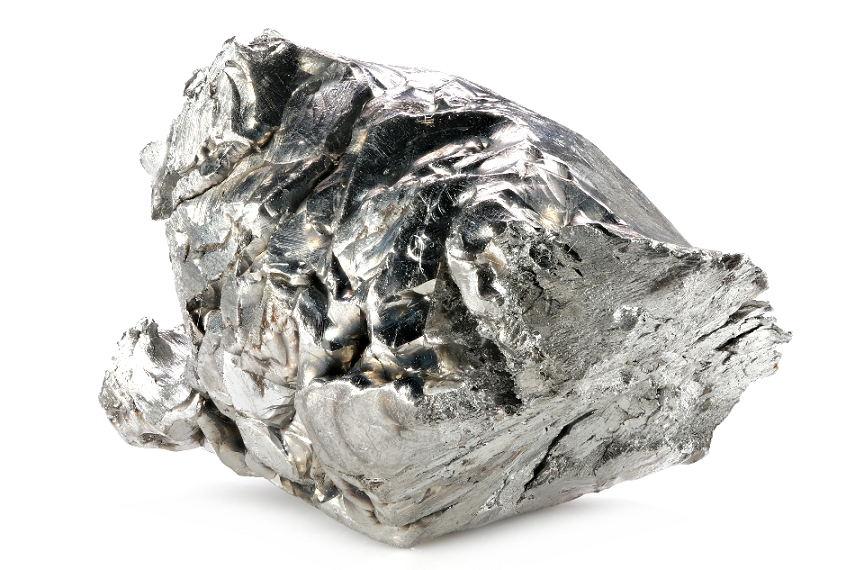
Uses of Hafnium
1. Hafnium in Advanced Electronic Materials
Hafnium’s low work function facilitates efficient electron emission, making it a preferred cathode material for X‑ray tubes. When alloyed with tungsten or molybdenum, it forms robust electrodes that withstand high‑voltage discharge, enhancing the reliability of high‑power electronics.
In 2012, researchers at the University of Cambridge unveiled a hafnium oxide variant with a markedly higher dielectric constant. This breakthrough paves the way for next‑generation microelectronics, including smaller, more efficient photovoltaic cells and precision manufacturing equipment.
2. Hafnium in Chemical Engineering and Process Control
Hafnium’s strong affinity for reactive gases makes it an excellent getter in vacuum and inflation systems, effectively scavenging oxygen, nitrogen, and other contaminants. This property ensures the purity and longevity of high‑performance equipment.
Its low volatility also renders it ideal as an additive in hydraulic fluids, preventing evaporation during high‑temperature operations and maintaining system integrity in demanding industrial environments.
3. Hafnium in Nuclear Energy Applications
With outstanding welding, machining, and high‑temperature resilience, hafnium is a cornerstone material in nuclear reactors. Its substantial thermal neutron capture cross‑section allows it to act as a neutron absorber, enabling the construction of control rods and safety mechanisms that regulate reactor core activity.
4. Hafnium in High‑Performance Alloy Systems

Alloy applications of Hafnium
Hafnium’s ductility, oxidation resistance, and heat tolerance make it a versatile alloying element. For instance:
- A 10 % hafnium-niobium alloy serves as a high‑temperature rocket nozzle.
- A 2 % hafnium addition to tantalum‑tungsten improves creep strength, making it suitable for spacecraft shielding.
- In tungsten wire manufacturing, incorporating hafnium with molybdenum or tantalum yields carbide alloys that retain strength at extreme temperatures.
Hafnium carbide (HfC) boasts a melting point of approximately 4,215 °C, the highest among known compounds, and is used as a cemented carbide additive to enhance hardness and heat resistance.
Conclusion
Understanding hafnium’s diverse applications—from electronic components and chemical processing to nuclear control systems and aerospace alloys—highlights its indispensable status in modern engineering.
For deeper insights into hafnium and other refractory metals, explore Advanced Refractory Metals (ARM), a leading supplier headquartered in Lake Forest, California. ARM delivers premium tungsten, molybdenum, tantalum, rhenium, titanium, zirconium, and more, combining quality with competitive pricing.
Metal
- Zirconium Applications: How This Rare Metal Shapes Modern Technology
- Top Applications of Tungsten: From High‑Strength Alloys to Advanced Electronics
- 6 Key Applications of Molybdenum – From Steel to Medicine
- Molybdenum and Its Alloys: Key Applications in Material Processing
- Tungsten in Alloy Design: Applications in Steel, Carbide, and Heavy Materials
- Industrial Applications of Tantalum and Its Alloys
- Hafnium Oxide (HfO₂): Structure, Properties, and Key Applications
- Key Applications of Beryllium Alloys in Modern Technology
- TL072 Pinout: Audio IC Applications, Features, and Design Tips
- Copper‑Nickel Alloys: Key Properties and Practical Applications