



Inductive Sensors: How They Work and Key Industrial Applications
Inductive sensors are indispensable in modern automation, providing reliable, contact‑free detection of metallic parts across a wide range of sectors—including electronics, automotive, aerospace, food processing, and robotics. Their robust construction and resistance to dust, vibration, and moisture make them ideal for harsh environments.
What is an Inductive Sensor?
At their core, inductive sensors are proximity devices that detect conductive materials—primarily ferrous metals—without physical contact. Designed for durability, they come in various configurations such as multi‑voltage or high‑temperature models to suit specific applications. The sensor’s output—typically a pulse or level signal—can drive counting, speed measurement, or limit‑switch functions.
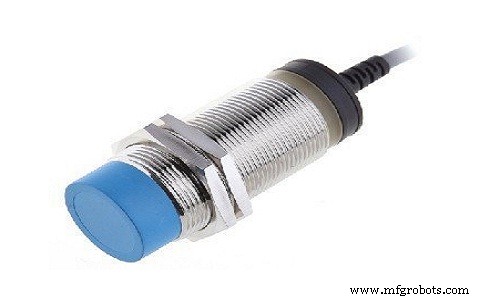
Because they operate without mechanical wear, inductive sensors enjoy a long service life and can be employed in hygiene‑critical and outdoor applications where maintenance access is limited.
Working Principle
The sensor’s operation is based on electromagnetic induction. An induction coil generates an oscillating magnetic field; when a metallic object enters this field, it alters the coil’s impedance according to Faraday’s law. The sensor’s electronics detect this change and produce a measurable output signal, indicating the presence or absence of metal.
Applications of Inductive Sensors
Inductive sensors excel in numerous high‑precision tasks:
- Industrial automation and robotics for object detection and position feedback
- Automotive manufacturing for body assembly and part presence checks
- Aerospace and rail systems for safety interlocks and component monitoring
- Medical equipment, including MRI machines, for precise positioning of ferrous components
- Transformer and coil production lines for quality control
- Traffic and vehicle detection systems in intelligent transportation
- Machining and CNC machines for spindle speed and tool position measurement
- Metal detection and sorting processes in recycling plants
- Industrial control panels for limit switches and pulse generation
- Inspection and pick‑and‑place stations for automated quality assurance
In summary, inductive sensors combine reliability, ease of installation, and resistance to environmental stressors, making them a trusted choice for any application that requires accurate, non‑contact detection of metallic objects.
Sensor
- Virtual Sensors: How They Work and Key Applications
- Understanding IMU Sensors: Functionality and Applications in Modern Tech
- Occupancy Sensors Explained: How They Work and Why They’re Essential for Energy Savings
- Door Sensors: How They Work and Their Role in Home Security
- IoT Sensors: Functionality, Types, and Real‑World Applications
- MEMS Sensors: How They Work and Their Key Applications
- How Parking Sensors Work & Their Key Applications
- Magnetic Sensors: Principles, Types, and Applications
- Fingerprint Sensor Technology: Working Principles, Applications, and Arduino Integration
- Vibration Sensors: Principles, Types, and Industrial Applications