



IoT Sensors: Functionality, Types, and Real‑World Applications
The Internet of Things (IoT) is reshaping our world, with an estimated 1.2 billion connected devices by 2023, according to Statista. At the heart of every IoT deployment lie sensors—tiny yet powerful devices that transform ambient data into actionable insights. Whether monitoring air quality in a smart home, tracking equipment health in manufacturing, or ensuring patient safety in hospitals, sensors enable real‑time awareness and automation.
What Is an IoT Sensor?
In an IoT ecosystem, sensors are the primary data collectors that feed raw information into the network. They reside in the foundational layer, bridging the physical world with digital networks. Sensors can connect directly to gateways or communicate via intermediary nodes, and their outputs are often converted into digital signals—using ADCs, sigma‑delta modulators, or serial interfaces such as SPI—before being transmitted to the cloud for analysis.
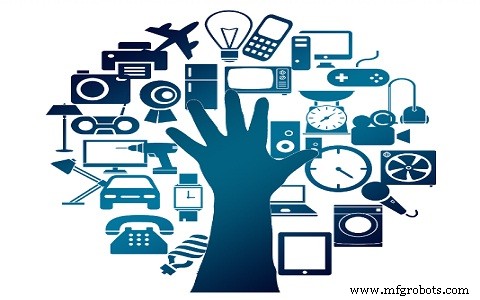
The choice of sensor depends on the application’s specific needs: temperature, motion, pressure, gas, and more. Below is an overview of common IoT sensor types and their key use cases.
Types of IoT Sensors
The following sections detail the most prevalent sensors in IoT deployments.
Temperature Sensor
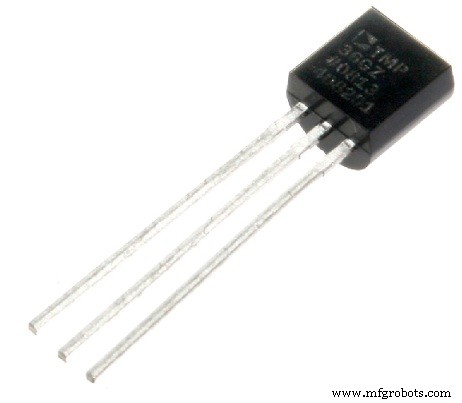
Temperature sensors—such as thermistors, thermocouples, ICs, and RTDs—measure heat energy emitted by objects or environments. In manufacturing, they keep machinery within safe operating ranges, while in agriculture they monitor soil and water temperatures to optimize crop yields.
Smoke Sensor
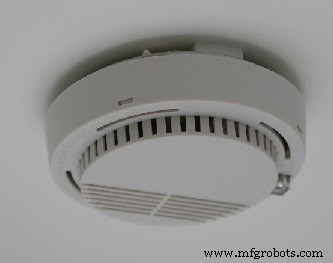
Smoke detectors equipped with wireless connectivity enhance safety in homes and industrial settings. They can trigger alerts, activate sprinklers, or notify emergency services without manual intervention.
Motion Sensor
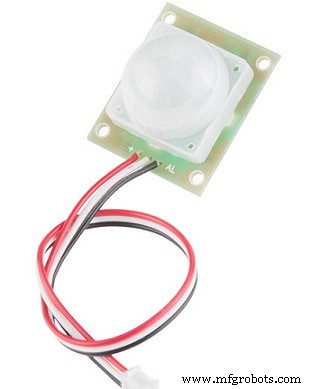
Motion sensors drive automation—from smart lighting to security systems—and power consumer conveniences such as automatic door openers and hand‑dryers. In IoT, they can be read by a central controller or a smartphone for immediate feedback.
Humidity Sensor
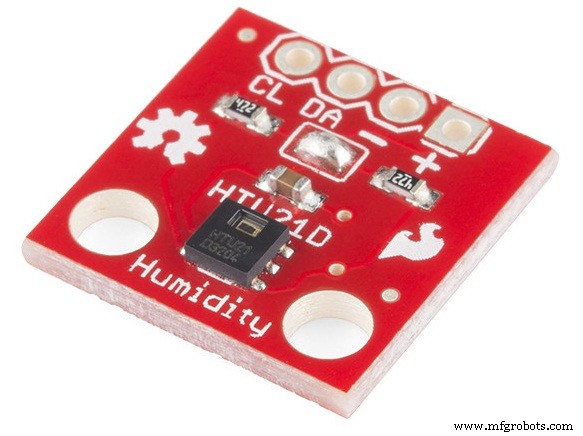
Humidity sensors monitor moisture levels, expressed in relative humidity (RH), dew/frost point (D/F PT), or parts per million (PPM). Accurate humidity readings are critical for comfort, food storage, and industrial processes.
Pressure Sensor
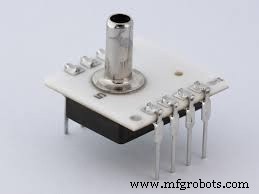
Pressure sensors such as the BMP180 detect changes in force and are integral to altitude measurement, tire pressure monitoring, and vehicle diagnostics. When readings fall outside safe thresholds, they trigger alerts to prevent equipment failure.
Gas Sensor
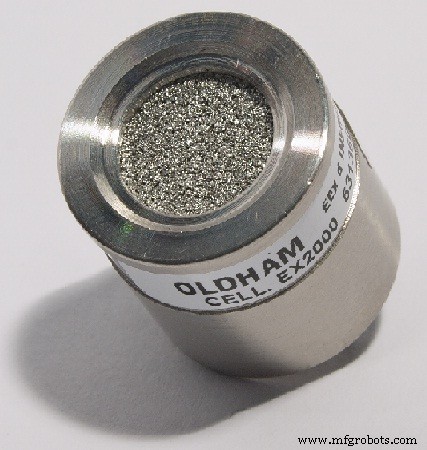
Gas sensors detect hazardous gases using photo‑ionization, semiconductor, or electrochemical technologies. They are essential for workplace safety, environmental monitoring, and smart building ventilation.
IR Sensor
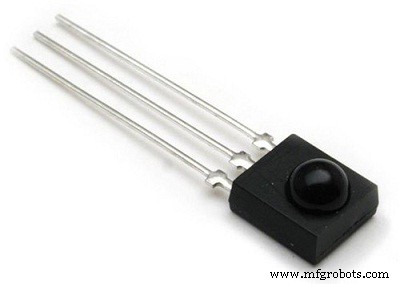
Infrared (IR) sensors measure emitted heat, enabling applications ranging from mobile phone touch controls to vehicle blind‑spot detection and medical monitoring of blood flow or blood pressure.
Accelerometer Sensor
Accelerometers—capacitive, Hall‑effect, or piezoelectric—measure acceleration, tilt, and vibration. They are crucial in automotive safety systems, smartphone orientation, and industrial equipment monitoring.
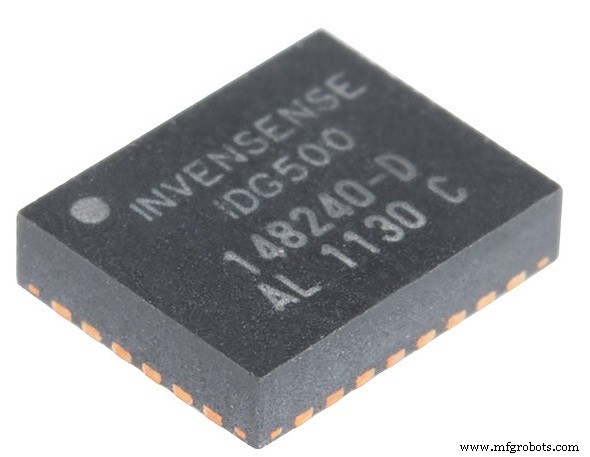
Image Sensor
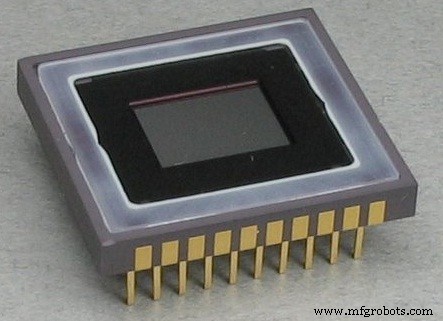
Image sensors power cameras, thermal imagers, and biometric systems. In retail and corporate environments, they enable footfall analytics and secure access control, while in healthcare they support diagnostic imaging.
Proximity Sensor
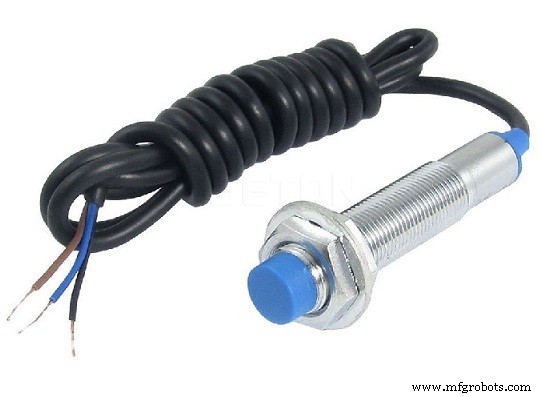
Proximity sensors detect nearby objects without contact, using capacitive, inductive, ultrasonic, magnetic, or photoelectric principles. They enable precise process control, inventory counting, and safety interlocks.
In sum, IoT sensors underpin everything from personal wellness devices to industrial automation. By converting the physical world into digital signals, they empower smarter decision‑making, predictive maintenance, and enhanced safety across sectors.
Sensor
- Virtual Sensors: How They Work and Key Applications
- Voltage Sensors: How They Work & Key Applications in Modern Power Systems
- Lambda (Oxygen) Sensor: Function, Operation, and Key Automotive Applications
- Occupancy Sensors Explained: How They Work and Why They’re Essential for Energy Savings
- Door Sensors: How They Work and Their Role in Home Security
- Image Sensors: Types, Operation, and Practical Applications
- Gyroscope Sensors: How They Work and Their Key Applications
- MEMS Sensors: How They Work and Their Key Applications
- How Parking Sensors Work & Their Key Applications
- Magnetic Sensors: Principles, Types, and Applications