



Door Sensors: How They Work and Their Role in Home Security
Entrances and exits are the most vulnerable points in a home. An unlocked door presents a clear invitation to burglars, making door sensors a critical component of modern home security systems. Also called contact or entry sensors, these devices detect when a door opens and trigger an alarm or notification, keeping residents and their property safe.
What Is a Door Sensor?
A door sensor is a compact, dual‑component device that creates a simple electrical circuit. One part is mounted on the door frame, and the other is attached to the door itself. When the door is closed, the two parts are in contact, completing the circuit. Opening the door separates the components, breaking the circuit and signaling the control panel to activate an alarm. These sensors are lightweight, easy to install, and highly portable.
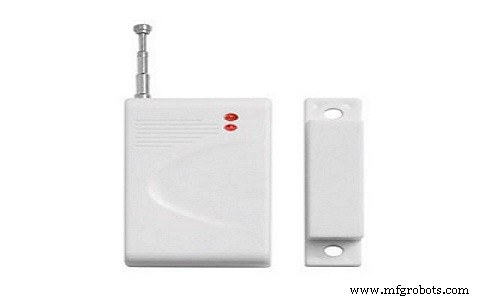
How Door Sensors Work
Most door sensors rely on a reed switch and a small magnet. When the magnet is close to the reed switch, the switch remains closed, allowing electricity to flow. If the door opens, the magnet moves away, the switch opens, and the circuit breaks. This simple mechanism is used in a wide range of devices—from doorbells to laptops—and is highly reliable.
In practice, the reed switch is mounted on the door frame while the magnet is affixed to the door. When the door closes, the magnet aligns with the switch, completing the circuit. Opening the door separates them, causing the circuit to break and the sensor to alert the control panel.
Maintaining Your Door Sensor
A well‑maintained sensor is key to dependable security. Most systems let you customize the alert—whether a loud alarm, a silent notification to a security company, or a combination of both. Sensors are not indestructible; wear and tear or damage can render them ineffective. If you notice a malfunction, contact a professional security service for prompt replacement.
Beyond locking mechanisms, door sensors offer several advantages: they deter burglars, protect children, provide peace of mind, and can be integrated into wireless or remote‑control systems. By combining these benefits, door sensors form the backbone of an effective home security strategy.
In summary, door sensors provide remote control, reliable protection, and flexible installation. What types of door sensors are available for your home?
Sensor
- Virtual Sensors: How They Work and Key Applications
- Voltage Sensors: How They Work & Key Applications in Modern Power Systems
- Lambda (Oxygen) Sensor: Function, Operation, and Key Automotive Applications
- Occupancy Sensors Explained: How They Work and Why They’re Essential for Energy Savings
- Image Sensors: Types, Operation, and Practical Applications
- IoT Sensors: Functionality, Types, and Real‑World Applications
- Gyroscope Sensors: How They Work and Their Key Applications
- MEMS Sensors: How They Work and Their Key Applications
- How Parking Sensors Work & Their Key Applications
- Magnetic Sensors: Principles, Types, and Applications