



How Knock Sensors Protect Engines: Function, Symptoms, and Maintenance
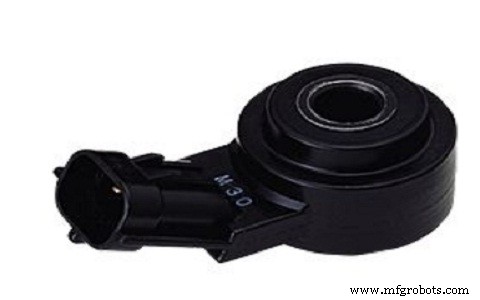
Knock sensors are essential components that protect automotive engines from pre‑ignition damage. Mounted on the engine block or cylinder head, they detect high‑frequency vibrations caused by detonation or "knocking" and convert them into electrical signals for the engine control unit (ECU). This real‑time feedback allows the ECU to adjust ignition timing, preventing engine knock and safeguarding internal components.
How Knock Sensors Work
When a cylinder experiences pre‑ignition, a sharp shock wave forms around the spark plug. The sensor, typically a piezoelectric element, picks up these vibrations, transforms them into a voltage pulse, and sends the signal to the ECU. The ECU analyses the signal, identifies the affected cylinder, and retards the spark timing until the knock stops. This closed‑loop system keeps the engine operating within safe limits.
Common Symptoms of a Faulty Knock Sensor
- Check Engine light illumination
- Reduced engine power or sluggish acceleration
- Increased fuel consumption
- Stored diagnostic trouble codes (e.g., P0355, P0356)
Typical Causes of Failure
- Corrosion or rust on sensor or wiring
- Short circuits or damaged insulation
- Mechanical impact or improper mounting
- Wiring faults or connector corrosion
Step‑by‑Step Troubleshooting
- Inspect the sensor’s wiring harness for visible damage or loose connections.
- Use an OBD‑II scanner to read stored fault codes.
- Verify the sensor’s output voltage with a multimeter while the engine is running.
- Check the ECU’s reaction—ensure it retards timing when knock is detected.
Key Applications Beyond Cars
- High‑performance automotive engines
- Machine‑tool ignition systems
- Cavitation detection in pumps
- Spin‑bearing health monitoring
Renowned manufacturers such as Chevrolet and BMW provide reliable knock sensor replacements, often at a fraction of an engine’s cost. Prompt attention to warning signs preserves engine longevity and ensures optimal performance.
Sensor
- Voltage Sensors: How They Work & Key Applications in Modern Power Systems
- Lambda (Oxygen) Sensor: Function, Operation, and Key Automotive Applications
- Image Sensors: Types, Operation, and Practical Applications
- Gyroscope Sensors: How They Work and Their Key Applications
- Flame Sensors: How They Work and Key Applications in Fire Safety
- Sound Sensors: How They Work & Practical Applications
- Humidity Sensors: How They Work and Key Applications
- Rain Sensors Explained: How They Work & Key Applications
- Laser Sensors Explained: Working Principles & Industrial Applications
- Understanding MAP Sensors: How They Work, Diagnose Issues, and Optimize Engine Performance