



7 Expert-Backed Facts About Hafnium: Discovery, Properties, and Modern Applications
7 Expert-Backed Facts About Hafnium
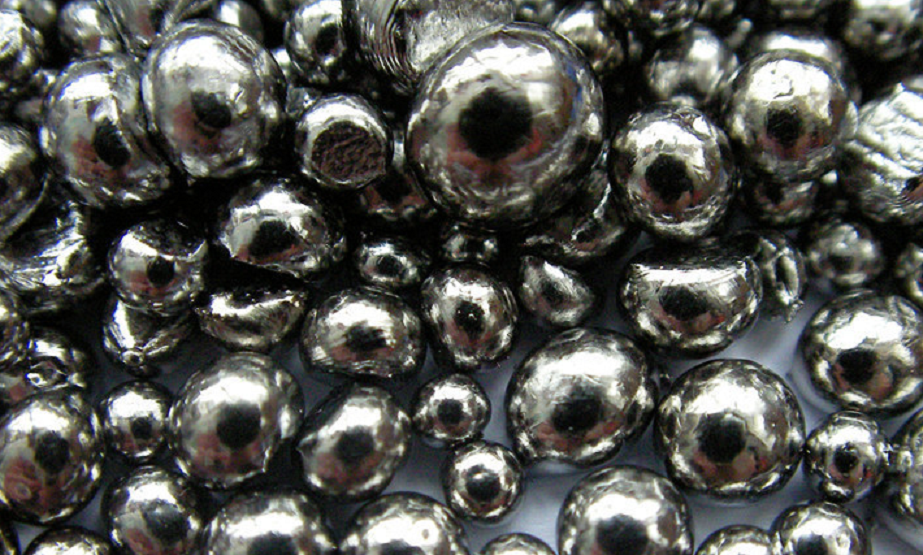
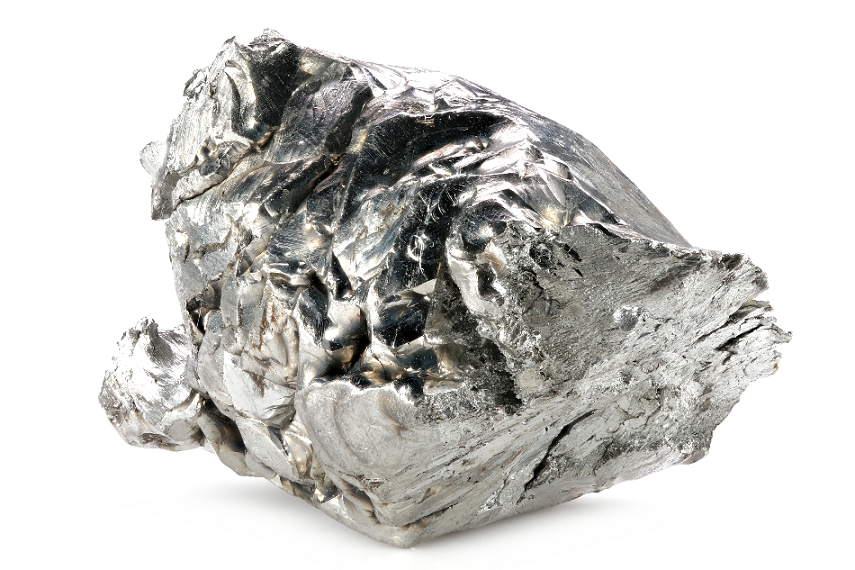
Hafnium (Hf) is a lustrous, silver‑gray transition metal with atomic number 72 and atomic weight 178.49. It belongs to group IVB of the periodic table and boasts a density of 13.31 g / cm³ (20 °C), a melting point of 2,233 °C (2,506 K, 4,051 °F), and a boiling point of 4,603 °C (4,876 K, 8,317 °F). While these basic properties are well known, the element’s discovery, chemistry, and industrial roles reveal a far richer story.
Facts About Hafnium
1. The Discovery of Hafnium
In 1923, Hungarian chemist George Charles de Hevesy and Danish physicist Karl Coster used X‑ray spectroscopy on zirconium‑rich ores and isolated hafnium for the first time. The element was named after Copenhagen’s Latin name, Hafnia, and its symbol Hf was adopted. De Hevesy subsequently produced only a few milligrams of pure hafnium.
2. Key Physical and Chemical Properties
Hafnium naturally forms a protective oxide layer when exposed to air. However, between 500 – 750 °C the layer loses its effectiveness, allowing the metal to oxidize or react with nitrogen and other gases. At temperatures above 800 °C, hafnium rapidly forms HfO₂. It resists dilute HCl, H₂SO₄, and strong bases but dissolves in hydrofluoric acid and aqua regia.
3. Common Hafnium Compounds
- Hafnium dioxide (HfO₂) – primary raw material for refining hafnium.
- Hafnium tetrachloride (HfCl₄) – precursor for many advanced hafnium products.
- Hafnium hydroxide, carbide, and boride – used in specialized applications.
4. Industrial Applications
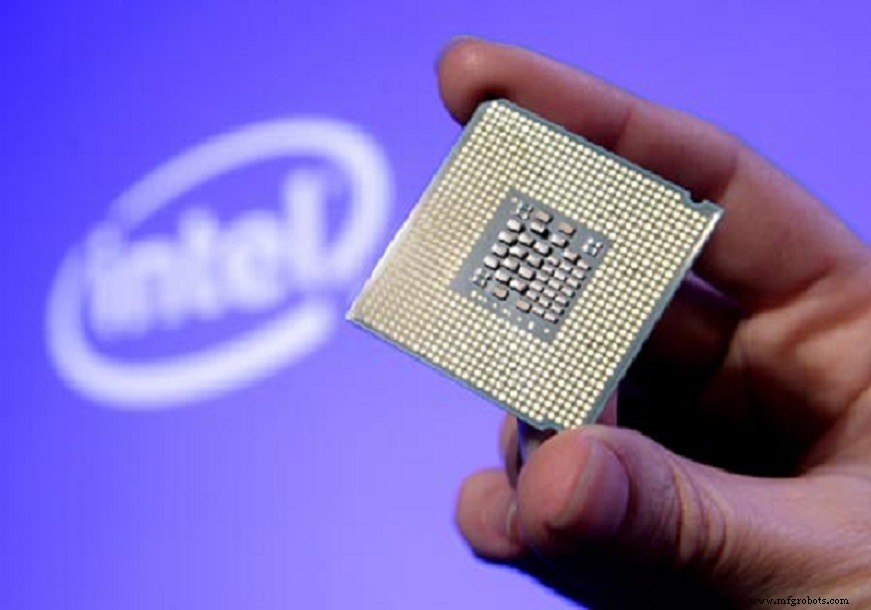
Hafnium’s large thermal neutron capture cross‑section makes it an ideal neutron absorber in nuclear reactor control rods. Its high‑temperature resistance, corrosion tolerance, and malleability also allow use in rocket nozzles, X‑ray cathodes, and high‑performance alloys such as Hf‑Ta for tool steels. Additionally, hafnium powders serve as rocket propellant, while hafnium getters remove trace gases in vacuum systems. Recent Intel 45‑nm processors incorporate hafnium in gate dielectrics, underscoring its role in cutting‑edge electronics.
Facts About Hafnium
5. Global Distribution and Production
According to a 2009 U.S. Geological Survey estimate, global hafnium reserves exceed 1 million tons. Major deposits are found in Australia, South Africa, the United States, Brazil, and India. Production data from the Minor Metals Trade Association show that France and the United States together produced roughly 60 tons in 2012—about 94 % of global output.
6. Safe Storage Practices
Store hafnium in a cool, well‑ventilated facility away from heat, fire, and oxidizing agents. Avoid mixing with acids, halogens, or other oxidants. Equip storage areas with explosion‑proof lighting, proper ventilation, and spark‑free tools. Provide spill containment to mitigate accidental releases.
7. Health and Safety Considerations
Certain hafnium compounds can be toxic; personal protective equipment such as masks and gloves is recommended when handling them. Production sites should maintain adequate ventilation and routinely remove dust to protect workers’ respiratory and skin health.
Conclusion
Thank you for exploring hafnium’s fascinating profile. For deeper insights into refractory metals and their applications, visit Advanced Refractory Metals (ARM), headquartered in Lake Forest, California. ARM supplies high‑quality refractory metals at competitive prices.
Metal
- 6 Key Insights Into Vanadium
- Tantalum: 5 Fascinating Facts About the High‑Temperature Refractory Metal
- Molybdenum Uncovered: 7 Key Facts About the Versatile Refractory Metal
- 8 Fascinating Facts About Zirconium
- 6 Fascinating Facts About Nickel – History, Properties, and Global Impact
- 7 Fascinating Insights About Chromium: From Discovery to Health Impacts
- 7 Fascinating Facts About Tungsten: From Discovery to Modern Applications
- Rhenium: 6 Fascinating Facts About This Rare, High‑Melting Metal
- Titanium Unveiled: 10 Key Facts About the World’s Most Versatile Metal
- 5 Fascinating Facts About Tungsten: Naming, Melting Point, and More