



Tantalum: 5 Fascinating Facts About the High‑Temperature Refractory Metal
Tantalum: 5 Fascinating Facts About the High‑Temperature Refractory Metal
Tantalum (symbol Ta, atomic number 73) is a lustrous, bluish‑grey metal renowned for its exceptional ductility and one of the highest melting points among elements—2980 °C. With a density of 16.68 g/cm³, it ranks as the third most refractory metal after tungsten and rhenium.
1. How Tantalum Got Its Name
In 1802, Swedish chemist A.G. Ekaberg discovered the element while studying niobium‑tantalite ore from Scandinavia. He named it Tantalum after Tantalus, the mythic son of Zeus, who was eternally thirsty—an apt metaphor for this stubborn, corrosion‑resistant metal.
2. Global Distribution of Tantalum Resources
Despite its industrial value, tantalum is a rare resource. The majority of proven reserves are concentrated in two countries: Australia (≈62 %) and Brazil (≈36 %). According to the US Geological Survey (USGS) 2015 data, global reserves exceeded 100 000 tons—67 000 tons in Australia and 36 000 tons in Brazil. Other countries with reported deposits include the United States, Burundi, Canada, the Democratic Republic of Congo, Ethiopia, Mozambique, Nigeria, and Rwanda, though exact figures remain uncertain.
3. Global Production Trends
USGS 2015 data show that global tantalum mine production reached 1 200 tons in 2014, up by 30 tons from 2013. The leading producers are Rwanda, Brazil, the DRC, and Mozambique. Remarkably, Rwanda alone supplies about 50 % of the world’s tantalum output.
4. Applications of Tantalum
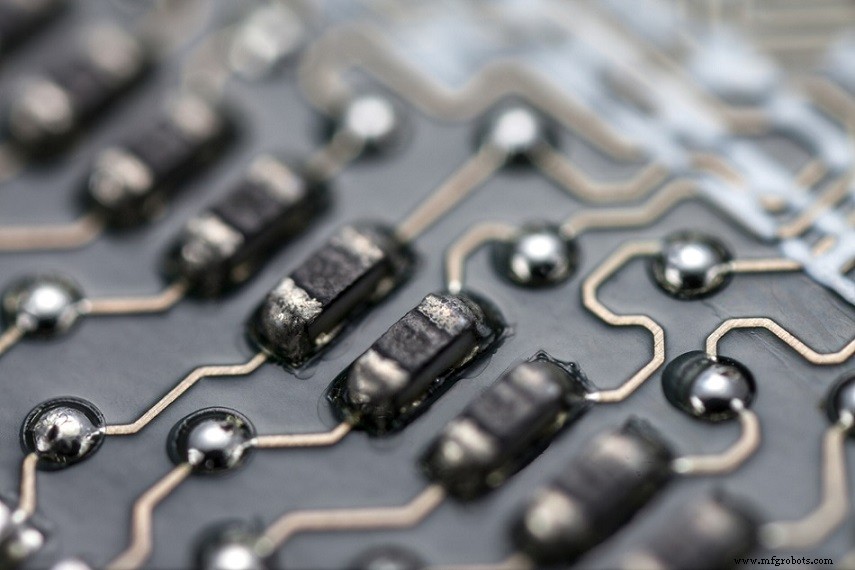
Tantalum’s unique combination of high melting point, low vapor pressure, excellent cold workability, chemical inertness, and a high dielectric constant in its oxide layer makes it indispensable in advanced technologies. Key sectors include electronics (capacitors and high‑voltage components), aerospace, automotive electronics, medical devices, metallurgy, cemented carbides, and even nuclear technology.
5. Recycling and Secondary Sources
Because primary tantalum resources are limited and costly, secondary sources play a critical role. Recovered tantalum comes from smelting waste, process by‑products, and end‑of‑life electronic components. Currently, about 15 %–20 % of tantalum is sourced from these secondary streams. Recovery methods vary by waste type: pure metal scraps are typically reclaimed via vacuum or electron‑beam smelting, while compound and alloy wastes require more complex chemical or metallurgical treatments.
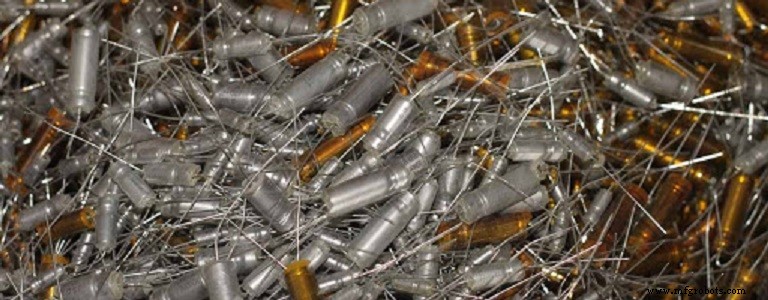
Recycling of waste tantalum
Conclusion
We hope these insights deepen your understanding of tantalum’s role in modern industry. For more detailed information, visit Advanced Refractory Metals (ARM), a leading manufacturer and supplier of refractory metals worldwide. ARM, headquartered in Lake Forest, California, offers high‑quality tungsten, molybdenum, tantalum, rhenium, titanium, and zirconium at competitive prices.
Metal
- 6 Key Insights Into Vanadium
- Molybdenum Uncovered: 7 Key Facts About the Versatile Refractory Metal
- 8 Fascinating Facts About Zirconium
- 6 Fascinating Facts About Nickel – History, Properties, and Global Impact
- 7 Fascinating Insights About Chromium: From Discovery to Health Impacts
- 7 Expert-Backed Facts About Hafnium: Discovery, Properties, and Modern Applications
- 7 Fascinating Facts About Tungsten: From Discovery to Modern Applications
- Rhenium: 6 Fascinating Facts About This Rare, High‑Melting Metal
- Titanium Unveiled: 10 Key Facts About the World’s Most Versatile Metal
- 5 Fascinating Facts About Tungsten: Naming, Melting Point, and More