



6 Fascinating Facts About Nickel – History, Properties, and Global Impact
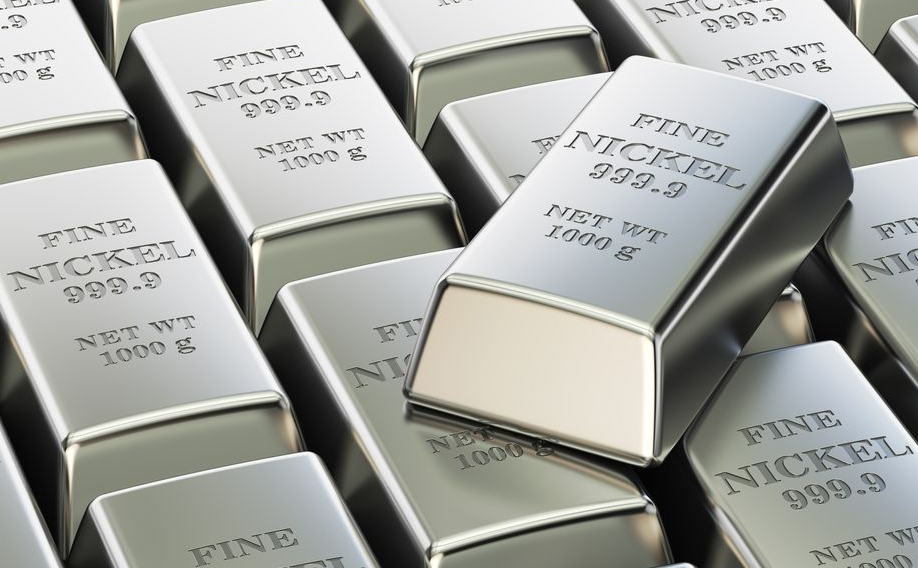
6 Fascinating Facts About Nickel – History, Properties, and Global Impact
Nickel (Ni) is a silver‑white transition metal with a relative atomic mass of 58.69 and a density of 8.9 g/cm³. It melts at 1455 °C and boils at 2730 °C. Renowned for its ductility, magnetic character, and exceptional corrosion resistance, nickel is indispensable in modern metallurgy. Below are six compelling facts that illuminate its significance.

Interesting Facts About Nickel
1. The Historical Journey of Nickel
Ancient metallurgists in China, Egypt, and Babylon extracted high‑nickel meteorites to craft utensils. Because nickel’s melting point is close to iron’s, early cultures mistakenly identified it as iron. In Peru, the metal’s rust‑resistant nature earned it the nickname “silver of the natives.”
2. Discovery and Naming
In 1751, Swedish chemist Alex Fredrik Cronstedt isolated a new metal from a nickel‑rich ore, initially mistaking it for copper. By 1754 he officially named it “nickel,” a term that persists today.
3. Key Properties of Nickel
Nickel boasts a bright silver‑white appearance and strong mechanical strength. It is insoluble in water and resists corrosion in acids and alkalis, though it dissolves in dilute nitric acid and aqua regia. At ambient temperature, a protective oxide layer forms on its surface in humid air, turning it black and preventing further oxidation.
4. Global Distribution of Nickel Resources
According to the 2015 US Geological Survey, global nickel reserves total 81 million tonnes. Australia leads with 19 million tonnes, followed by New Caledonia (12 million), Brazil (9.1 million), Russia (7.9 million), and Cuba (5.5 million). Nickel ore types break down as follows: laterite (55 %), sulfide (28 %), and submarine iron‑manganese nodules (17 %).
5. Modern Applications of Nickel
Nickel’s plasticity, corrosion resistance, and magnetic properties make it essential for stainless steel, nickel‑based alloys, electroplating, and rechargeable batteries. It also plays a critical role in aerospace, defense, and heavy machinery manufacturing.

Interesting Facts About Nickel
6. Nickel’s Impact on Human Health
Nickel is an essential trace element; adults typically contain about 10 mg in the body. Deficiency can contribute to conditions such as anemia, liver dysfunction, and metabolic disorders. Excessive exposure—over 250 mg of soluble nickel daily—can lead to dermatitis, respiratory issues, and lung cancer. Occupational safety guidelines recommend stringent exposure limits.
Conclusion
We hope this guide deepens your understanding of nickel’s role in science and industry. For further insights into refractory metals, visit Advanced Refractory Metals, headquartered in Lake Forest, California.
Advanced Refractory Metals (ARM) is a global leader in supplying high‑quality refractory metals—tungsten, molybdenum, tantalum, rhenium, titanium, and zirconium—at competitive prices.
Metal
- 6 Key Insights Into Vanadium
- Tantalum: 5 Fascinating Facts About the High‑Temperature Refractory Metal
- Molybdenum Uncovered: 7 Key Facts About the Versatile Refractory Metal
- 8 Fascinating Facts About Zirconium
- 7 Fascinating Insights About Chromium: From Discovery to Health Impacts
- 7 Expert-Backed Facts About Hafnium: Discovery, Properties, and Modern Applications
- 7 Fascinating Facts About Tungsten: From Discovery to Modern Applications
- Rhenium: 6 Fascinating Facts About This Rare, High‑Melting Metal
- Titanium Unveiled: 10 Key Facts About the World’s Most Versatile Metal
- 5 Fascinating Facts About Tungsten: Naming, Melting Point, and More