



Molybdenum Uncovered: 7 Key Facts About the Versatile Refractory Metal
Molybdenum Uncovered: 7 Key Facts About the Versatile Refractory Metal
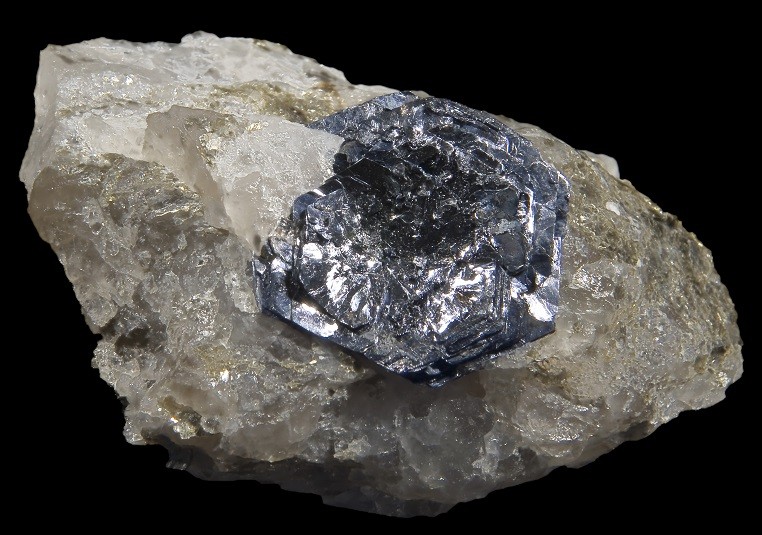
Molybdenum (Mo, atomic number 42) is a dense, silver‑white metal with a melting point of 2,610 °C and a boiling point of 5,560 °C. It plays a critical role in modern industry and human health. Below are seven facts that highlight its importance and history.
1. How Molybdenum Was Discovered
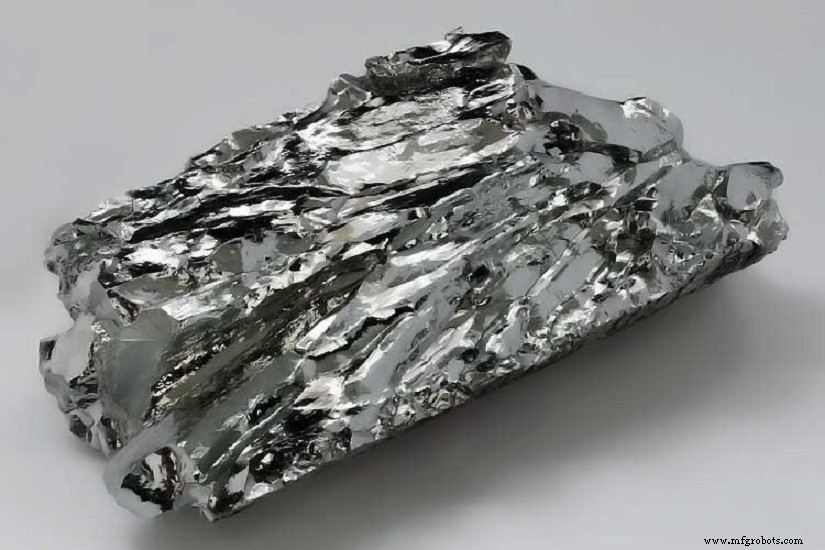
In 1778, Swedish chemist Carl Wilhelm Scheele observed that nitric acid reacted with molybdenite (molybdenum sulfide) to produce a white powder, while graphite remained unchanged. He postulated that the powder was a metal oxide and that heating it with sulfur could regenerate the original mineral, hinting at a new element. By 1781, P.J. Hjelm employed the carbon‑reduction method to isolate the metal, naming it “molybdenum” after the mineral from which it was derived.
2. Global Reserves of Molybdenum
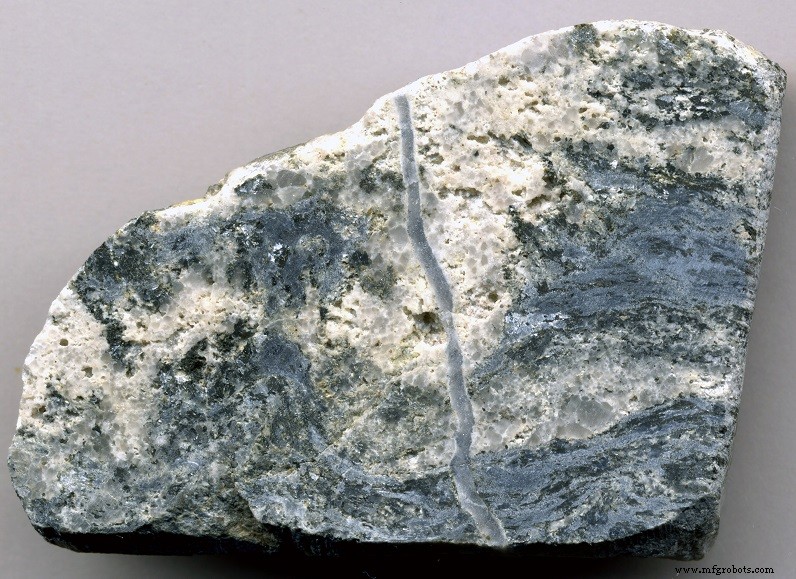
Earth’s crust contains roughly 0.00011 % molybdenum. The U.S. Geological Survey (USGS) estimates global reserves at approximately 11 million tonnes, with proven reserves near 19.4 million tonnes. Molybdenite is the most commercially valuable ore, followed by calcium tungsten phase, lead‑rich, and platinum‑copper variants.
3. Countries with the Largest Molybdenum Reserves
China leads with 4.3 million tonnes, followed by the United States (2.7 million tonnes) and Chile (1.8 million tonnes), together holding about 80 % of world reserves. Other significant deposits exist in Peru, Canada, Russia, Australia, Mongolia, Armenia, Mexico, Kazakhstan, Kyrgyzstan, Turkey, Uzbekistan, and Iran.
4. Global Production Trends
USGS data show 266,000 tonnes of molybdenum ore produced worldwide in 2014, a 3 % increase from 2013. China produced 100,000 tonnes (≈38 % of global output), followed by the United States (65,500 t), Chile (39,000 t), and Peru (18,100 t). Other notable producers include Mexico, Canada, Armenia, Iran, Russia, Turkey, Mongolia, and Uzbekistan.
5. Primary Applications of Molybdenum
Over 80 % of molybdenum is used in alloy steels to enhance strength, hardness, and corrosion resistance. The chemical industry accounts for about 10 %, while the remaining 10 % is distributed among electrical/electronics, medicine, agriculture, and other sectors.
6. Recycling and Resource Efficiency
As primary resources dwindle, recycling becomes essential. Since the mid‑1980s, developed nations have focused on recovering molybdenum from spent catalysts. In 1995, the United States reclaimed 3,800 tons of molybdenum from catalyst waste, representing roughly 30 % of its total supply.
7. Health Benefits of Molybdenum
Molybdenum is a vital trace element in humans, contributing to:
- Uric acid formation
- Enzyme function and iron metabolism, reducing anemia risk
- Cardiac energy metabolism, helping prevent Keshan disease
- Arterial elasticity, lowering cardiovascular disease risk
- Immune system support
- Thyroid regulation
- Protection against dental caries, kidney stones, and certain cancers
- Structural role in the iris of the eye
Conclusion
We hope this overview deepens your understanding of molybdenum’s scientific and industrial significance. For more insights on refractory metals, visit Advanced Refractory Metals (ARM). Headquartered in Lake Forest, California, ARM supplies high‑quality refractory metals—including tungsten, tantalum, rhenium, titanium, and zirconium—worldwide at competitive prices.
Metal
- 6 Key Insights Into Vanadium
- Tantalum: 5 Fascinating Facts About the High‑Temperature Refractory Metal
- 8 Fascinating Facts About Zirconium
- 6 Fascinating Facts About Nickel – History, Properties, and Global Impact
- 7 Fascinating Insights About Chromium: From Discovery to Health Impacts
- 7 Expert-Backed Facts About Hafnium: Discovery, Properties, and Modern Applications
- 7 Fascinating Facts About Tungsten: From Discovery to Modern Applications
- Rhenium: 6 Fascinating Facts About This Rare, High‑Melting Metal
- Titanium Unveiled: 10 Key Facts About the World’s Most Versatile Metal
- 5 Fascinating Facts About Tungsten: Naming, Melting Point, and More