



Four Key Superalloy Classes and Their Industrial Applications
Four Key Superalloy Classes and Their Industrial Applications
Superalloys combine exceptional strength, hardness, corrosion resistance, and thermal stability with excellent processability. These attributes make them indispensable in aviation, aerospace, automotive, medical, chemical, petrochemical, and high‑temperature sectors. Below we detail the four most widely used superalloy families, their core compositions, and the industries that rely on them.
1. Titanium‑Based Alloys
Developed by James A. Davidson and colleagues, these alloys contain 5–11 % molybdenum, 6–15 % hafnium, and 2–3 % of one or more of titanium, chromium, or silicon, with trace amounts of oxygen, nitrogen, hydrogen, and carbon. The remainder is titanium.
Key attributes include high strength, high hardness, a low elastic modulus, and superior corrosion resistance. The addition of molybdenum reduces the elastic modulus—6 % molybdenum approximates 16 % niobium—and forms a protective molybdenum‑oxide film that enhances resistance to low‑pH environments.
Applications
These alloys excel in medical devices—dental implants, intra‑osseous implants, heart valves, artificial hearts, ventricular muscle devices, and bone clips—and in non‑medical fields such as oil‑drilling equipment, golf clubs, and high‑performance fasteners.
2. Nickel‑Based Alloys
Nickel superalloys are the most prevalent in high‑performance applications. Molybdenum (20–25 %) markedly improves corrosion resistance against acids like acetic, hydrochloric, and phosphoric acid, while also boosting thermal stability.
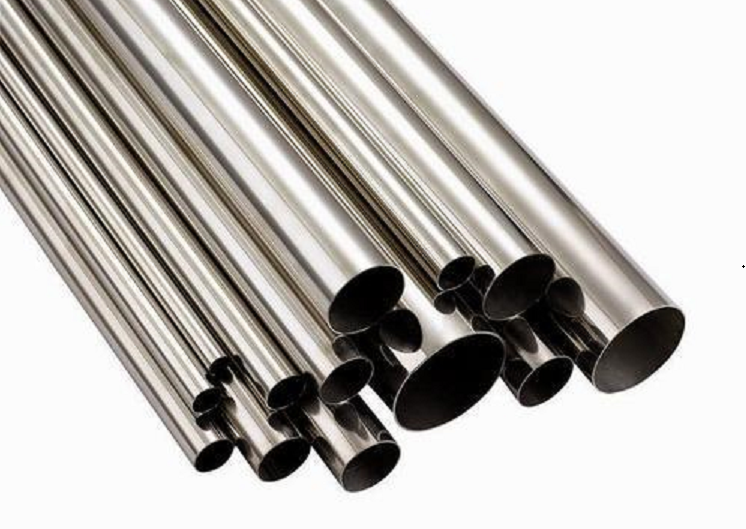
Haynes International’s latest high‑molybdenum, low‑copper variants offer superior strength, hardness, and corrosion resistance, making them ideal for chemical process equipment, piping, and valve manufacturing.
3. Iron‑Based Alloys
Typical compositions include 6–10 % molybdenum. These alloys deliver high corrosion resistance, strength, and hardness at elevated temperatures, and are widely adopted in automotive, marine, and defense applications.
4. Molybdenum‑Based Alloys
With high molybdenum content, these alloys retain strength and mechanical stability under extreme temperatures. They are employed in high‑temperature heating elements, radiant shielding, rotating X‑ray cathodes, glass‑melting furnace electrodes, high‑temperature springs, reinforcing fibers, ballistic tubes, and more.
Conclusion
We hope this overview clarifies the primary superalloy families and their industrial relevance. For deeper insights into refractory metals, visit Advanced Refractory Metals (ARM).
ARM, headquartered in Lake Forest, California, is a leading global supplier of high‑quality refractory metals—including tungsten, molybdenum, tantalum, rhenium, titanium, and zirconium—at competitive prices.
Metal
- Tungsten: The Ultimate Refractory Metal – Facts, Uses, and Applications
- Unexpected Applications of Copper‑Tungsten Alloy
- 4 Advanced Rhenium Alloys and Their Key Applications
- Indium Alloys Explained: Five Key Types and Their Applications
- 5 Essential Types of T‑Handles: What Every Operator Should Know
- 10 Surprising Ways Composite Materials Transform Everyday Life
- 5 Key Insights Every Business Should Know About Carbon‑Fiber Suppliers
- Essential Guide to Tower Crane Types for Your Construction Project
- Discover 6 Hidden Asset Tag Uses That Boost Efficiency
- Unveiling Stainless Steel: Fascinating Facts You Didn't Know