



4 Advanced Rhenium Alloys and Their Key Applications
4 Advanced Rhenium Alloys and Their Key Applications
Rhenium is a silvery‑white, rare metal known for its exceptional melting point, hardness, and corrosion resistance. Stable in air and insoluble in hydrochloric acid, it remains inert to hydrogen and nitrogen. Because of its high cost, rhenium is most effectively used in alloy form, delivering superior performance across aerospace, electronics, petrochemical, and other high‑temperature industries.
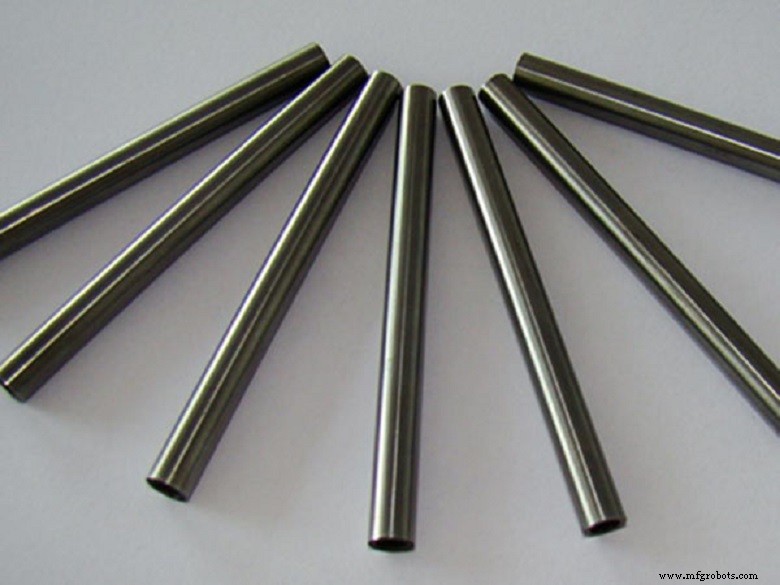
Rhenium Alloys
1. Platinum–Rhenium Alloy
Platinum–rhenium (Pt–Re) alloys combine platinum’s noble properties with rhenium’s strength at extreme temperatures. Two primary grades exist: PtRe8 (8 % Re) and PtRe14 (14 % Re). PtRe8 is a common high‑temperature thermocouple material, capable of instantaneous readings up to 1,800 °C, while PtRe14 excels as a durable electrical contact.
2. Platinum–Tungsten–Rhenium Alloy
Adding a modest amount of rhenium to a platinum–tungsten (Pt–W) matrix enhances resistivity, tensile strength, and reduces the temperature coefficient of resistance. Pt–W–Re alloys serve as high‑temperature resistance strain gauges, operating reliably above 800 °C.
3. Tungsten–Rhenium Alloy
W–Re alloys are solid solutions where rhenium content typically ranges from 3 % to 26 % by mass. They are classified as low‑content (Re ≤ 5 %) and high‑content (Re ≥ 15 %) grades, each offering distinct mechanical and electrical characteristics.
Properties of Tungsten–Rhenium Alloys
These alloys exhibit a remarkable combination of high melting point, exceptional strength, hardness, ductility, a high recrystallization temperature, elevated resistivity, and low vapor pressure—making them ideal for demanding environments.
Applications of Tungsten–Rhenium Alloys
W–Re alloys bridge the limitations of pure tungsten (brittleness, low recrystallization temperature) and pure rhenium (processing challenges, cost). Their robustness has propelled their use in electronics, thermal control systems, nuclear technology, aerospace navigation, precision temperature measurement, and cutting‑edge instrumentation.
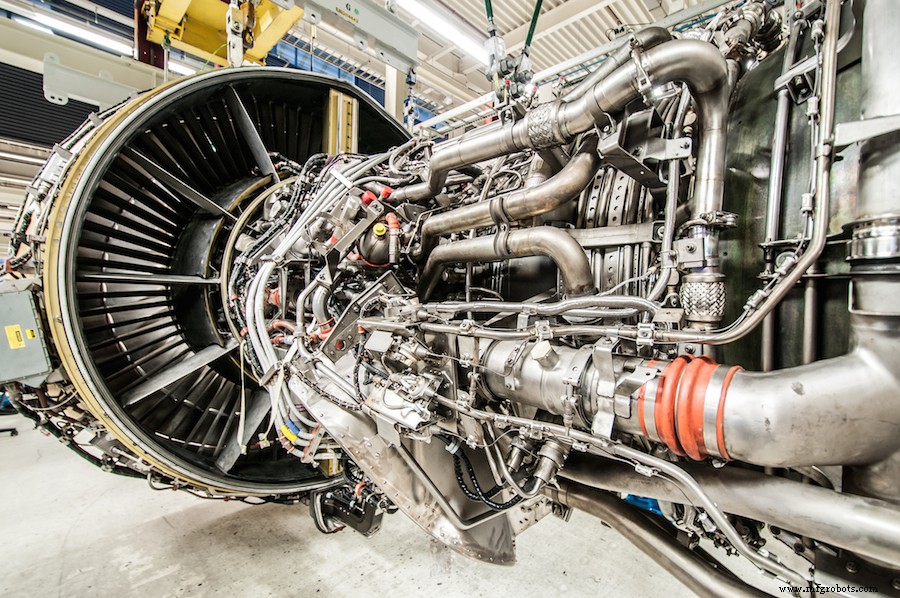
Applications of Rhenium Alloys
Notably, W–Re thermocouples offer high thermoelectric potential and sensitivity across a broad temperature range, fast response, and excellent corrosion resistance. The industry trend is shifting from Pt–Rh thermocouples to W–Re alternatives for improved performance.
4. Molybdenum–Rhenium Alloy
Mo–Re alloys incorporate 2 %–5 % rhenium into a molybdenum matrix, enhancing plasticity and strength. They are typically fabricated via powder metallurgy, yielding components suited for extreme environments.
Applications of Molybdenum–Rhenium Alloys
Mo–Re alloys find roles as high‑speed rotating X‑ray tube targets, long‑life microwave grid components, space reactor core heaters, high‑temperature furnace elements, and precision thermocouple wires.
Mechanical properties such as tensile strength, ductility, and resistivity improve with increasing rhenium content. For example, Mo‑5 % Re and Mo‑41 % Re are used in aerospace thermocouple wires and structural parts, while Mo‑50 % Re serves as a high‑temperature structural material.
Conclusion
We hope this overview of rhenium alloys has deepened your understanding of their diverse applications. For more detailed information on rhenium and its alloys, visit Advanced Refractory Metals (ARM).
ARM, headquartered in Lake Forest, California, is a global leader in refractory metal manufacturing and supply. They provide high‑quality tungsten, molybdenum, tantalum, rhenium, titanium, and zirconium at competitive prices.
Metal
- Molybdenum‑Rhenium Alloys: High‑Temperature Performance for Aerospace, Nuclear, and Electronics
- Unexpected Applications of Copper‑Tungsten Alloy
- 4 Surprising Ways Vanadium Powers Modern Industry
- Six Surprising Applications of Zirconium
- 7 Unexpected Ways Cobalt Shapes Modern Technology
- 5 Unexpected Ways Titanium Rods Are Used in Modern Industries
- Zirconium Alloys: Fundamentals, Development, and Applications
- Four Key Superalloy Classes and Their Industrial Applications
- Indium Alloys Explained: Five Key Types and Their Applications
- Titanium Alloys Explained: Types, Properties & Key Applications