



Round Steel Bars: Key Properties, Applications, and Selection Guide
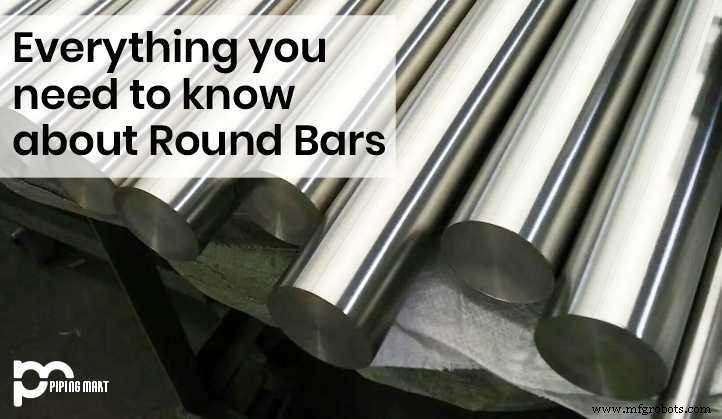
While polymers can replace metals in many applications, they cannot match the versatility and performance of metallic components. Metals offer superior load efficiency and weight characteristics that are critical in structural and engineering contexts.
Strength of Round Bars
Strength is the core attribute of steel round bars. Engineers choose steel over other materials because it delivers higher load‑bearing capacity, which is essential for building, infrastructure, and heavy‑equipment applications. The required strength varies by end‑use; for example, structural round bars must exceed the load requirements of automotive bars.
Elasticity of Round Bars
Elasticity ensures that a round bar can absorb and return to its original shape under load. Historically, low elasticity led to weak points that failed under high stress. Today, especially in seismic‑prone regions, bars must exhibit sufficient elastic behavior to withstand earthquake forces and then recover once the load is removed. Selecting a bar with the correct elastic limit is therefore critical.
Diameter of Round Bars
The diameter directly influences load capacity. Typical commercial round bars range from 6 mm to 60 mm. Larger diameters are preferred for structural and heavy‑engineering work, while smaller diameters suit automotive and light‑industrial applications.
Ductility of Round Bars
Ductility allows a bar to be formed or machined without cracking. While high ductility improves workability, it can also reduce ultimate strength. Therefore, the desired balance between ductility and strength must be understood when specifying a round bar for a particular use.
Choosing the Right Round Bar
Selection hinges on the intended application and cost considerations. By matching material grade (e.g., ASTM A706 for structural use, ASTM A480 for high‑strength bolts) and dimensions to the required performance, buyers can avoid over‑specifying and control costs without compromising safety.
For detailed specifications, refer to ASTM standards or contact a qualified supplier.
Metal
- Pigment Dispersions: A Comprehensive Guide to Safety, Performance, and Choosing the Best Indian Manufacturers
- Wrench Time: A Practical Guide to Measuring and Improving Maintenance Efficiency
- Building Maintenance Mastery: Expert Insights on Safety, Cost‑Effectiveness, and Compliance
- Expert Guide to Plastic Stamping: Process, Materials, and Benefits
- Master IoT-Enabled Maintenance: Expert Strategies for Asset Health Monitoring
- Mastering Laser Cutting: Precision, Power, and Practical Guidance
- The Ultimate Guide to Anodizing Aluminum: Enhancing Strength, Durability, and Design
- Technical Drawings Explained: Key Insights for Engineers and Manufacturers
- The Comprehensive Guide to Metal Casting: Techniques, Materials, and Applications
- Process Cooling Explained: Benefits, Methods, and Industrial Applications