



Building Maintenance Mastery: Expert Insights on Safety, Cost‑Effectiveness, and Compliance

Building maintenance is the unseen backbone of every functional facility. Skilled professionals conduct inspections, repairs, and preventive care to keep systems safe, efficient, and compliant.
When you enter a space and the lights illuminate instantly, doors glide smoothly, and HVAC fans hum quietly, you’re witnessing the result of disciplined maintenance practices. Behind those moments is a team that anticipates failures, schedules routine work, and responds to emergencies.
In this guide we’ll explore the fundamentals of building maintenance, the roles involved, and practical strategies that deliver real value—saving money, extending asset life, and ensuring regulatory compliance.
What Is Building Maintenance?
Building maintenance refers to all activities that preserve the safety, appearance, and operational integrity of a facility’s systems and structure. From HVAC units to elevators, from electrical panels to roofing, every component requires regular inspection and care.
Think of a building as a complex machine. Components degrade, systems age, and environmental factors accelerate wear. Without scheduled upkeep, minor issues can snowball into costly failures.
Because much of the work happens behind the scenes, the discipline is often invisible but essential for comfort, productivity, and safety.
Common Types of Maintenance Work
Daily tasks vary widely, so a maintenance professional’s schedule is rarely repetitive. Typical responsibilities include:
- Cleaning and surface care—bathrooms, floors, windows, handrails, gutters.
- Inspection, repair, and replacement of mechanical assets such as HVAC, elevators, servers, and emergency generators.
- Electrical, plumbing, and utility maintenance—including lighting, wiring, and power distribution.
- Structural upkeep—doors, carpentry, windows, walls, roof.
- Exterior stewardship—landscaping, driveways, sidewalks, and parking areas.
Tasks are prioritized by urgency:
- Emergency repairs—immediate action to eliminate safety hazards or critical service disruptions.
- High‑priority—issues that must be resolved within days to prevent escalation.
- Medium‑priority—routine maintenance performed weekly or monthly.
- Low‑priority—non‑urgent work scheduled when resources permit.
- Deferred maintenance—tasks postponed due to budget or staffing constraints, often accumulating into a backlog.
Why Building Maintenance Matters
Neglected facilities present more than aesthetic problems; they pose serious safety risks, reduce employee morale, and inflate operational costs.
Imagine spending 40 hours a week in a space that is uncomfortably cold in winter, hot in summer, with uneven stairs and peeling paint. Such an environment hinders productivity and can trigger health issues.
Safety Risks
A well‑maintained building is a proactive measure against incidents. The Champlain Towers South collapse in 2021—where corrosion of underground concrete supports led to a 98‑person tragedy—underscores how deferred maintenance can be catastrophic.
Cutting corners on critical inspections often leads to a domino effect: a single failure can trigger widespread damage, costly repairs, and legal liability.
Financial Efficiency
Benjamin Franklin’s adage, “An ounce of prevention is worth a pound of cure,” applies directly to facilities management. Investing in routine maintenance is far less expensive than emergency fixes or full replacements.
Strategies to build a predictable maintenance budget include:
- Implementing a CMMS to track asset life cycles and trigger proactive replacements.
- Scheduling preventive tasks to avoid costly downtime—e.g., regular oiling versus replacing a seized engine.
- Automating work‑order workflows to increase team productivity by up to 30 %.
- Monitoring energy efficiency to identify leaks or drafts that waste money.
Operational Reliability
As with any machine, a building’s performance degrades without inspection. A small leak can evolve into structural damage, equipment failure, and downtime. Regular attention mitigates these risks and keeps operations smooth.
Regulatory Compliance
Building codes and safety regulations evolve constantly. Non‑compliance can result in hefty fines—often exceeding $100,000—and potential litigation if occupants are harmed.
Proactive maintenance reduces liability and ensures the facility meets local, state, and federal requirements.
Career Paths in Building Maintenance
Roles range from entry‑level janitorial staff to senior facility managers. Each position carries distinct responsibilities:
Janitor
Handles cleaning tasks—floor mopping, trash removal, restroom sanitation, window washing, and general housekeeping.
Maintenance Technician
Performs routine repairs, HVAC servicing, basic electrical fixes, and minor carpentry or roofing work.
Facility Manager
Oversees all maintenance activities, coordinates renovations, enforces environmental, health, and safety (EHS) standards, and manages vendor relationships.
Outsourcing Strategies
Large campuses or complex operations often engage specialized contractors for cleaning, pest control, parking maintenance, and other services. Tenant leases may include bundled maintenance fees.
Certifications & Training
Continuous education ensures technicians stay current with codes and technology. Key certifications include:
- HVAC Certification—validates expertise in heating, ventilation, and air‑conditioning systems.
- Building Systems Maintenance Certification—covers plumbing, HVAC, water treatment, and energy management.
- Building Operator Certification—two levels focusing on control systems, electrical distribution, and energy efficiency.
- Certified Maintenance & Reliability Technician (CMRT)—entry‑level credential covering predictive, preventive, and corrective maintenance.
Adding these credentials to a résumé can open doors to higher pay and leadership roles.
Optimizing Maintenance & Reducing Costs
Below are actionable steps to elevate maintenance performance while controlling expenses.
1. Adopt a Proactive Maintenance Strategy
Proactive programs lower total costs by preventing emergency repairs and extend equipment life. They also meet safety regulations that mandate regular inspections.
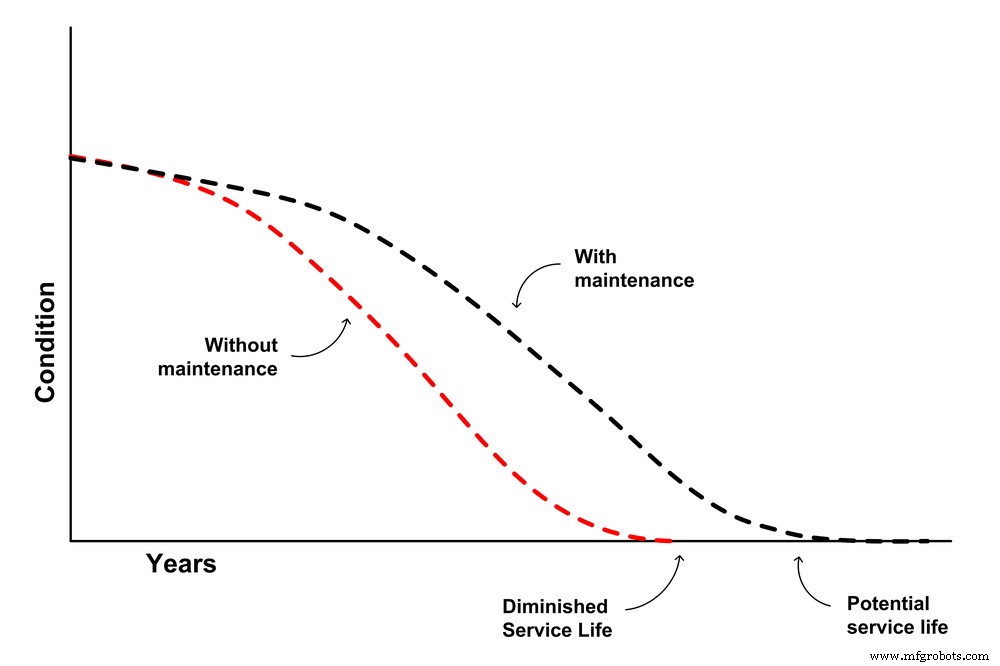
The impact of maintenance on asset’s useful service life.
2. Automate Workflows with a Modern CMMS
A CMMS streamlines work‑order assignment, tracks completion, and syncs data across devices—cutting administrative time by up to 34 % and boosting overall productivity.
Case study: a health‑tech client reduced downtime from 26 % to 4 % after implementing a mobile‑first CMMS.
“On average, I save an hour or two a day, depending on workload. The biggest benefit is being able to act on the go.”
— Rob Siler, Maintenance Technician, Myriad Genetics
3. Negotiate Vendor Agreements
Choosing the right contractors—whether for janitorial, electrical, or plumbing services—requires vetting, clear scope, and performance metrics. A CMMS can attach vendors as users, allowing you to approve work orders and review outcomes.
“We discovered that previous vendors were not performing promised preventive maintenance. Switching vendors after data visibility led to significant cost savings.”
4. Reduce Energy Expenditure
The EPA reports Energy Star buildings consume 35 % less energy than average. Steps to achieve this include:
- Establish an energy team and policy.
- Deploy a Building Energy Management System (BEMS).
- Prioritize energy efficiency when purchasing new equipment.
- Maintain equipment for peak performance.
- Integrate smart building technologies.
CMMS for Building Maintenance
Beyond scheduling, a robust CMMS offers comprehensive functionality:
Work Management
Plan and track planned and unplanned work, coordinate with external contractors, and monitor status in real time.
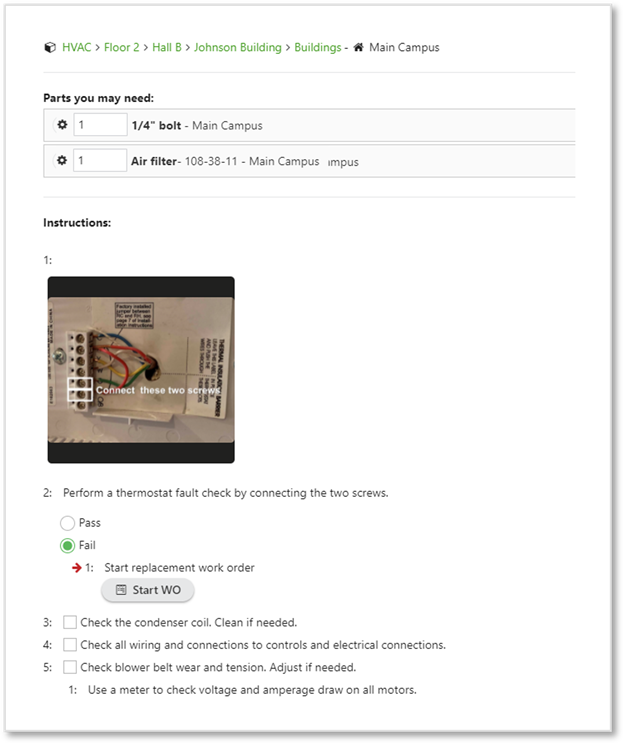
Sample detailed work order in the CMMS.
Asset Lifecycle Management
Track asset data from acquisition through disposal, supporting proactive replacement decisions.
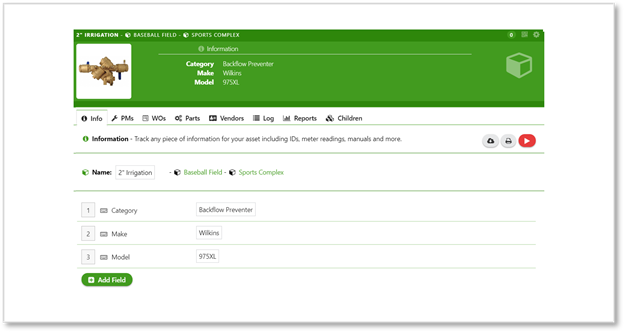
Asset information dashboard.
Labor Management
Document employee certifications, training, and performance metrics.
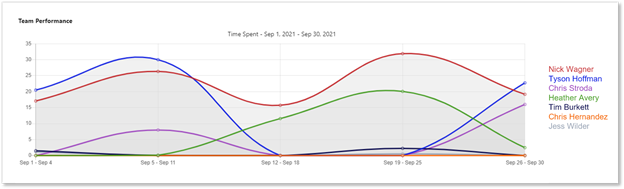
Team performance report.
Supply Chain & MRO Management
Control inventory, forecast demand, and manage spare‑part procurement.
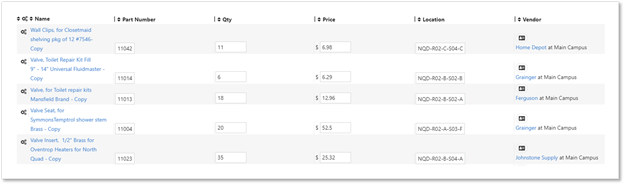
Parts management view.
Contract Management
Centralize all vendor agreements and track milestones.
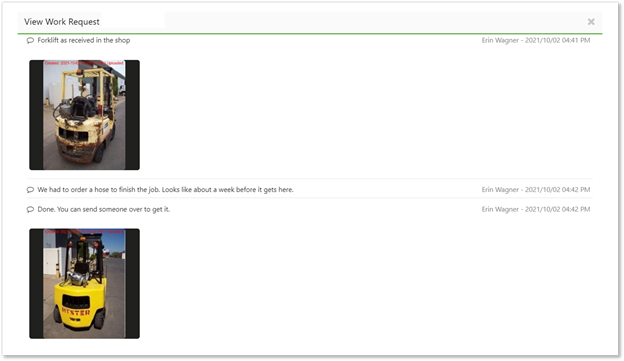
Vendor documentation portal.
Analytics & Reporting
Real‑time dashboards reveal key performance indicators, helping identify recurring issues and reduce unplanned downtime.
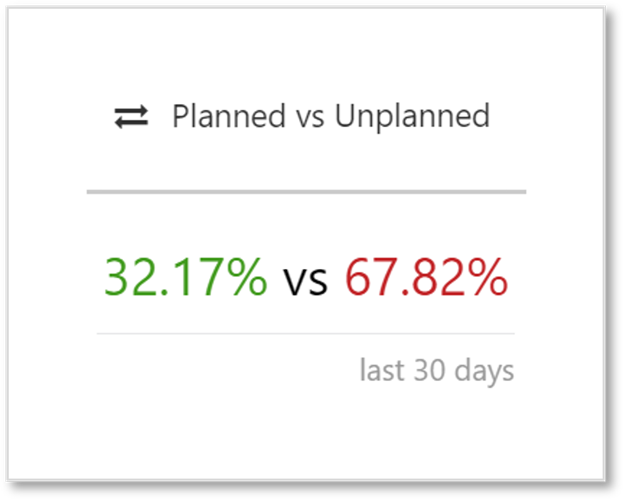
Automated work‑order analytics.
Financial Management
Consolidate spend data, support budgeting, and demonstrate ROI to finance.
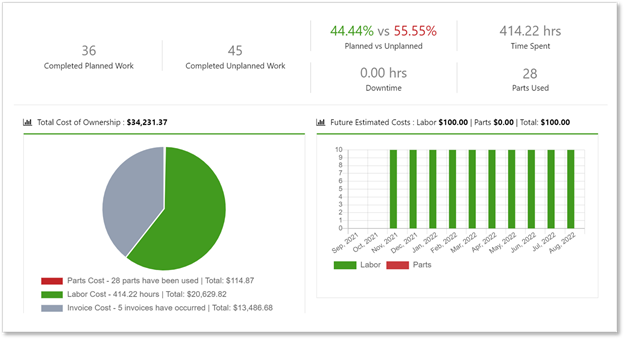
Custom financial dashboard.
Customer Support
Vendor support teams act as an extension of your operations, offering expert assistance without extra cost.
Keeping Pace with Industry Trends
Building codes, technology, and best practices evolve rapidly. Professional associations and trade publications keep practitioners informed:
- International Facilities Management Association (IFMA)—publishes FMJ Magazine and Wire newsletter.
- Association for Facilities Engineering (AFE)—offers local chapters, newsletters, and professional development.
- Facilities Management Institute (FMI)—focuses on training and career development.
Become the Maintenance Hero
Effective maintenance turns a building into a safe, productive environment. Leveraging technology, clear processes, and ongoing training can transform a daunting responsibility into a strategic advantage.
Contact Limble today to integrate a CMMS that aligns with your goals and drives measurable savings.
Equipment Maintenance and Repair
- Outsourced Maintenance Explained: Boost Reliability, Cut Costs, and Streamline Operations
- Emergency Maintenance: Minimizing Risks and Responding Effectively
- Wrench Time: A Practical Guide to Measuring and Improving Maintenance Efficiency
- Master IoT-Enabled Maintenance: Expert Strategies for Asset Health Monitoring
- Aircraft Maintenance Stands: A Comprehensive Guide for Safety and Efficiency
- Understanding Hydraulic Cylinder Drift: Causes, Prevention, and Solutions
- The Complete Guide to Maintenance Work Orders: Boost Asset Reliability & Reduce Downtime
- Master Predictive Monitoring: The Complete Guide to Proactive Maintenance
- Master CMMS Software: The Complete Guide to Preventive Maintenance Success
- Comprehensive Guide to Technical Maintenance: Tips & Best Practices