



Expert Guide to Plastic Stamping: Process, Materials, and Benefits
Introducing Craftech’s Plastic Stamping Solutions
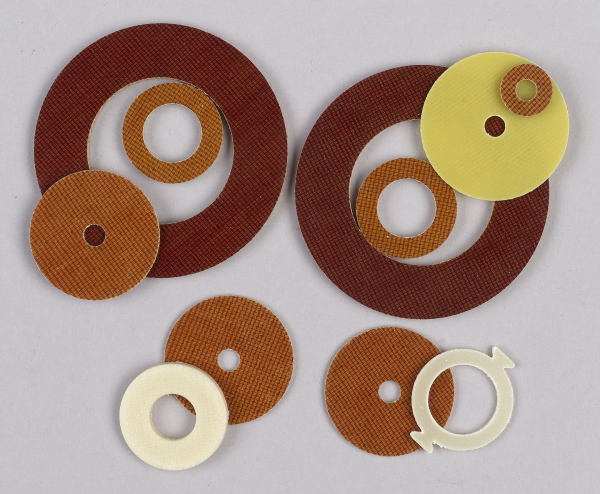
Craftech is proud to expand our manufacturing portfolio to include precision plastic stamping. This technology turns thin sheets of plastic into high‑quality parts—perfect for washers, gaskets, insulators, and a wide array of flat components.
What Is Plastic Stamping?
Plastic stamping uses a conventional or high‑speed punch press combined with specialized dies to punch shapes out of extruded plastic sheets or other non‑metallic materials. The process yields extremely thin, uniform parts in a single operation.
Dies and Tooling
Our stamping operations employ compound dies—two interlocking tools that simultaneously punch the inner and outer diameters. A single stroke produces the final shape, and high‑pressurized air removes excess material.
Why Choose Plastic Stamping?
- Precision: Identical parts with tight tolerances, provided the die remains in good condition.
- Clean Edges: One‑step blanking eliminates burnishing marks, giving superior edge finish.
- Speed & Cost Efficiency: Modern presses can cycle over 400 strokes per minute, delivering high‑volume production at competitive cost.
Product Size Capabilities
Typical specifications are illustrated using a washer as an example:
- Thickness: 5 mils (0.005") to 0.1875”; HDPE can reach 0.250”.
- Outside Diameter: 0.093” to 12”.
- Inside Diameter: generally equal to or greater than thickness for consistency.
Custom shapes are evaluated individually and may incur tooling charges. Our Customer Service Team is ready to help you assess your requirements.
Available Materials
Thermoplastics
- ABS, Acetal Homo (Delrin), Cellulose Acetate, Flame‑Retardant Polypropylene (Formex)
- Kapton Polyimide Film, High‑Density Polyethylene (HDPE), Nylon MDS Filled, PVC
- Low‑Density Polyethylene (LDPE), Nylon 6 & 6/6, Polyester Film (Mylar, Melinex)
- Polypropylene, Polystyrene, Polycarbonate (Lexan), Teflon (TFE, FEP, Graphite‑Filled)
- Ultra‑High Molecular Weight Polyethylene, Valox, Vinyl (Rigid & Flexible)
NEMA Grade Thermosets & Laminates
- Canvas Phenolic (C, CE, CYB), Glass Phenolic (G‑3), Fire‑Retardant Phenolic (FR‑1, 2)
- Glass Melamine (G‑5, G‑9), Fire‑Retardant Paper Epoxy (FR‑3), Glass Silicone (G‑7)
- Fire‑Retardant Glass Epoxy (FR‑4, 5), Glass Epoxy (G‑10, G‑11), Glass Polyester (GPO‑1‑4)
- Linen Phenolic (L, LE, LYB), Paper Phenolic
Vulcanized Fibre
- Bone Grade, Commercial Grade, Electrical Grade (Fish Paper)
Other Paper Materials
- Duroid, Kraftpaper, Vellumoid, Nomex Aramid Fibre, Pressboard
- Rag/Mylar Laminates, Ragpaper, TBS Fibreboard, Vegetable Fibre, VHR Fibreboard
- XL Fibreboard, ThermaSeal, Garlock
Have you used plastic stamping components before? Need stamped washers, gaskets, or insulators for your application? Share your experience in the comments below!
Interested in pricing? Request a quote now!

Resin
- Pigment Dispersions: A Comprehensive Guide to Safety, Performance, and Choosing the Best Indian Manufacturers
- Wrench Time: A Practical Guide to Measuring and Improving Maintenance Efficiency
- Building Maintenance Mastery: Expert Insights on Safety, Cost‑Effectiveness, and Compliance
- Round Steel Bars: Key Properties, Applications, and Selection Guide
- Master IoT-Enabled Maintenance: Expert Strategies for Asset Health Monitoring
- Mastering Laser Cutting: Precision, Power, and Practical Guidance
- The Ultimate Guide to Anodizing Aluminum: Enhancing Strength, Durability, and Design
- Technical Drawings Explained: Key Insights for Engineers and Manufacturers
- Hot Stamping 101: The Complete Guide to Elegant Metal Foil Design
- Plastic Explained: Types, Uses, and Benefits in Everyday Life