



How to Select the Right Valve: 5 Expert Tips for Optimal Performance
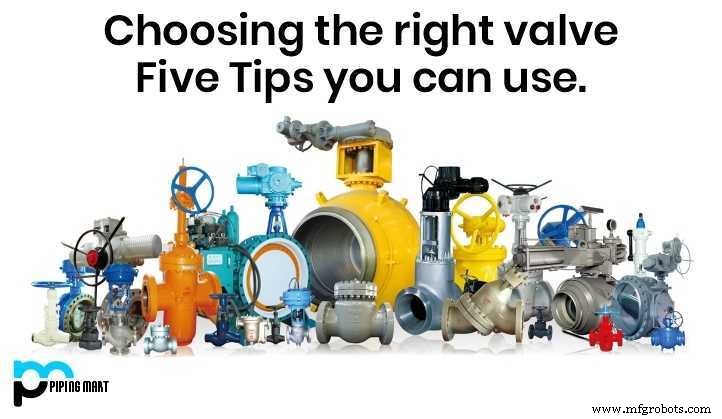
Choosing the correct valve is a nuanced decision that hinges on a clear understanding of your system’s design requirements. Engineers can streamline the selection process by identifying the essential valve attributes that align with their application goals.
Before procurement, verify that the valve will perform as expected: assess its response time, pressure threshold, and operational mode. Even valves that appear simple—normally open or normally closed—must be evaluated for their specific functional roles, as the right choice enhances overall system efficiency.
Materials
Valve construction must match the medium it will handle, the surrounding environment, and the required durability. Corrosive substances such as oils, saltwater, industrial runoff, or food-grade liquids demand materials with high corrosion resistance. For abrasive slurries, erosion‑resistant alloys are essential. High‑pressure applications may necessitate high‑strength steels, while steam or hot media require alloys that maintain integrity at elevated temperatures.
Valve Type
The valve’s design should support the desired flow control mechanism. For simple flow regulation, choose a valve that offers smooth throttling across its travel. Globe, ball, diaphragm, and needle valves excel at precise flow control, whereas plug and ball valves are better suited for on/off or shut‑off duties. Selecting a valve with the appropriate action ensures optimal performance and longevity.
Valve Size
Oversized or undersized valves can cause serious operational issues. A valve too small may restrict downstream flow, creating back‑pressure and limiting system capacity. Conversely, an oversized valve can reduce throttling efficiency and lead to cavitation or excessive wear. Matching the valve size to the pipeline’s flow requirements avoids costly adapter fittings and preserves system integrity.
Performance
Valves must withstand the full range of temperatures and pressures they will encounter. In highly pressurized or high‑temperature environments, metal valves—particularly those made from reinforced alloys—outperform plastic alternatives due to their superior strength and thermal tolerance.
Maintenance
Longevity is a key factor in valve selection. Consider the anticipated wear, the cost of future repairs, and the ease of replacement. Valve mounting methods influence serviceability: flanged connections offer quick swaps, while threaded or welded joints may require more specialized maintenance. Choosing a valve with a maintenance‑friendly design reduces downtime and enhances reliability.
Metal
- 5 Essential Criteria for Selecting Reliable Open‑Source Code
- 5 Essential Tips for Selecting the Ideal Order Management System
- Using 3D Printer Filament with a 3D Pen: What You Need to Know
- Choosing the Right Surfaces for Your 3D Pen: A Comprehensive Guide
- Choosing the Right Coaxial Cable: A Comprehensive Expert Guide
- Choosing the Right LED Power Supply: A Comprehensive Guide
- Choosing the Right LED: A Guide to Types and Applications for Your Next Project
- Choosing the Right Laser Cutting System for Maximum ROI and Precision
- Choosing the Right Press: Expert Guide to Mechanical, Hydraulic, and Servo Options
- How to Select the Ideal Robot Design for Your Application