



Top Raw Materials for Reliable Metal Stamping: A Practical Guide
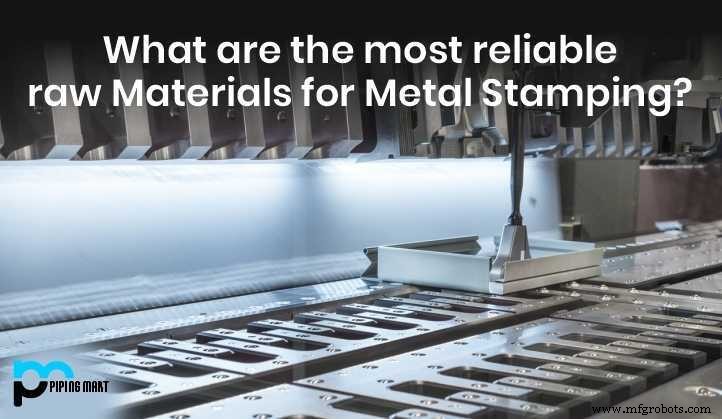
Metal stamping remains the most widely used manufacturing method for producing complex parts with high precision. The process involves cutting, forming, and detailing sheet metal—typically aluminum—using high‑pressure presses. Advances in tooling and process control now allow manufacturers to produce large volumes with consistently low tolerances and minimal waste.
While geometry and tooling are critical, the choice of starting material is equally decisive. The right alloy ensures that the stamped component will meet performance requirements, withstand service conditions, and keep costs down. Below we review the most reliable raw materials for metal stamping, from conventional steels to advanced specialty alloys.
Copper Alloys
Copper and its alloys—such as 1100, 1200, and 1105—are prized for their exceptional thermal and electrical conductivity. Their low coefficient of friction, high ductility, and inherent corrosion resistance make them ideal for applications where heat dissipation or electrical performance is paramount. Because copper can be drawn and formed at room temperature, stamping intricate, fine‑tipped geometries is straightforward. However, its softness limits use in high‑wear or load‑bearing parts.
Steel Alloys
Steel remains the workhorse of the metal stamping industry. Mild steel offers a balance of strength, toughness, and cost, while high‑strength low‑alloy (HSLA) steels deliver superior yield strength with reduced weight. Stainless steels ("300 series") provide excellent corrosion resistance for demanding environments. Steel alloys can be hardened or tempered before or after stamping to tailor mechanical properties. Electropolishing or passivation can further protect stamped surfaces from corrosion.
Aluminum Alloys
Aluminum alloys, particularly 6000 and 7000 series, are the go‑to materials for lightweight, high‑strength parts in automotive, aerospace, and consumer electronics. Their natural oxide layer offers excellent corrosion resistance, and their high ductility allows complex shapes to be stamped from relatively thick sheets. Although the unit cost of aluminum is higher than steel, the weight savings and reduced downstream machining often translate into overall cost savings.
Specialty Metals
Specialty alloys—such as titanium (Ti‑6Al‑4V) and nickel‑based superalloys (Inconel 718, Hastelloy)—are reserved for the harshest operating conditions: high temperatures, corrosive media, or extreme mechanical loads. Their exceptional strength‑to‑weight ratios and chemical stability make them indispensable in aerospace, nuclear, and oil‑and‑gas applications. Because of their limited formability and higher cost, stamping these alloys typically requires advanced tooling and precise process control.
In addition to the categories above, numerous other alloys are available to meet niche requirements, from high‑temperature stainless steels to brazable copper composites. Selecting the appropriate material involves evaluating mechanical demands, environmental exposure, and production economics.
By choosing the right raw material—copper, steel, aluminum, or a specialty alloy—you can guarantee that your stamped parts achieve the desired performance, durability, and cost efficiency.
Metal
- Tungsten: The World’s Most Refractory Metal and Its Applications
- Refractory Metal Powders Set to Revolutionize 3D Printing
- Key Properties of Refractory Metals – What You Need to Know
- Why FRP Outperforms Traditional Materials in Industrial Construction
- Stainless Steel Tubes: Key Applications Across Industries
- Steel Plates: Uses, Benefits, Types, and Key Applications
- Explore Professional Metal Finishing Options for Durability and Aesthetic Excellence
- How 3D Printing Elevates Metal Fabrication: Key Benefits Explained
- Exploring the Key Categories of Industrial Raw Materials
- Top Metals for Fabrication: Strength, Conductivity & Corrosion Resistance