



Types of Steel Used in Sheet Metal Fabrication
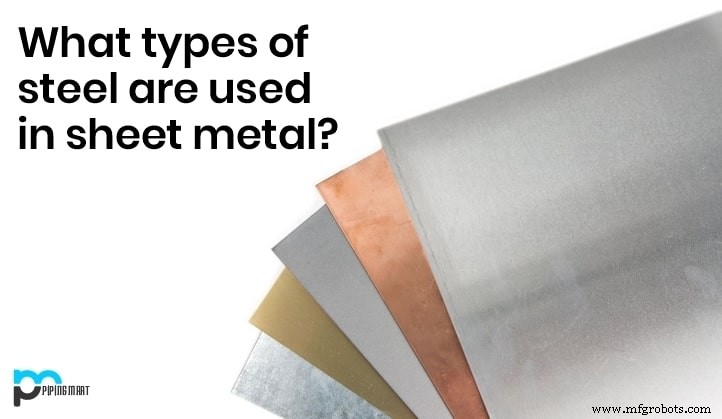
Sheet‑metal fabrication begins with a clear understanding of the customer’s specifications. Material selection is a critical decision, and steel is the most common choice due to its versatility, cost‑effectiveness, and well‑documented performance data.
Four principal steel categories are typically considered for sheet‑metal applications:
Alloy Steel
Alloy steels are engineered by adding elements such as manganese, chromium, and tungsten to enhance strength, hardness, or corrosion resistance. Nickel or vanadium may also be incorporated to further increase toughness. These steels strike a balance between manufacturability and performance, making them attractive for budget‑conscious projects that still demand durability.
Carbon Steel
Carbon steel, defined by its carbon content, is subdivided into low, medium, and high‑carbon grades. Low‑carbon steel offers excellent formability, ideal for structural components like railings or fencing. Medium‑carbon steel balances strength and ductility, commonly used in automotive parts and machinery housings. High‑carbon steel, with its elevated carbon level, delivers maximum hardness but reduced ductility, suitable for tools, cutting implements, and high‑strength wires.
Stainless Steel
Stainless steel’s hallmark is its chromium‑rich composition, which forms a passive oxide layer that resists corrosion in aggressive environments. This makes it the material of choice for applications ranging from kitchen fixtures and marine hardware to chemical processing equipment. Its inherent resistance to oxidation also extends the service life of components exposed to moisture, salt spray, or industrial chemicals.
Tool Steel
Tool steels are specifically formulated for wear resistance and high‑temperature stability. With a typical iron content of around 98–99 % and alloying elements such as tungsten, molybdenum, or vanadium, these steels maintain hardness even under extreme conditions. They are widely used in cutting tools, dies, and other manufacturing equipment where abrasive wear and thermal shock are concerns. Common shapes include flat and square bars, which are then machined into knives, hammers, or precision tooling.
Metal
- Carbon Steel in Everyday Products: Uses, Benefits, and Cost Considerations
- Choosing the Right Metal for Building Exteriors: Durability, Cost, and Aesthetics
- The Complete Guide to Pipe Fittings: Types, Functions, and Applications
- Steel Plates: Uses, Benefits, Types, and Key Applications
- Welding Electrode Types: Choosing the Right Electrodes for Your Process
- Sheet Metal Explained: Definition, Types, and Common Uses
- Understanding Casting Patterns: Types, Materials, and Their Impact on Quality
- Sheet Metal Explained: Uses, Materials, and Fabrication Techniques
- Sheet Metal Stamping Dies Explained: Design, Function, and Production
- Understanding Sheet Metal Tolerances: Key Insights for Precision Fabrication