



Choosing the Right Metal for Building Exteriors: Durability, Cost, and Aesthetics
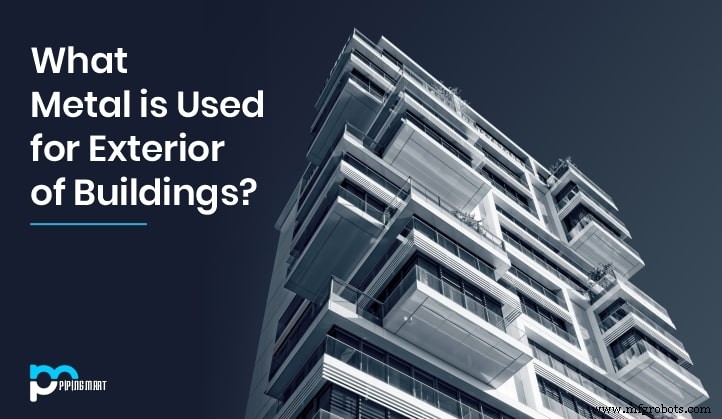
The seafront offers breathtaking views, but the corrosive salt spray and high humidity can severely shorten the lifespan of exterior materials. Selecting the proper metal for cladding, railings, and decorative features is therefore essential to avoid costly repairs or premature replacement.
While many alloys resist corrosion, the most reliable options are often premium metals that come with higher price tags. Coastal structures tend to require maintenance every few years, whereas inland buildings experience less aggressive environments and can benefit from a wider range of affordable metals.
Below is an evidence‑based overview of the most common metals used in exterior architecture, highlighting their performance, cost, and visual appeal. Choose the material that aligns with your budget, design intent, and environmental exposure.
1. Stainless Steel
Stainless steel remains the industry benchmark for long‑term exterior performance. It resists oxidation through a chromium‑oxide passivation layer, and can be polished to a mirror finish with periodic cleaning. The most widely used grades for outdoor applications are:
- Grade 304 – 18% chromium, 8% nickel; excellent mechanical strength but lower salt‑water resistance.
- Grade 316 – similar to 304 with 2–3% molybdenum; superior marine corrosion resistance, ideal for coastal sites.
- Grade 430 – 17% chromium, 0.12% carbon; cost‑effective for mild environments but not suitable for prolonged exposure to salt.
With proper maintenance, stainless steel can exceed a century of service life, making it a cost‑effective choice over time.
2. Copper, Brass, and Bronze
These copper alloys offer unmatched durability and an elegant patina that develops naturally over time. Their oxidation process produces a protective green layer that prevents further corrosion. Architects often select them for high‑profile elements such as façades, lobbies, and historic restorations.
- Copper – pure copper develops a verdigris patina; highly resistant to marine environments.
- Brass – copper‑zinc alloy; offers a warm, golden appearance and good strength.
- Bronze – copper‑tin alloy; highly resistant to weathering and ideal for decorative sculptures.
While these metals are pricier—often 2–3× the cost of stainless steel—they provide a distinctive aesthetic that can justify the investment for premium projects.
3. Aluminum
Aluminum is lightweight and naturally forms a passive oxide layer that protects it from corrosion. It is commonly used in window frames, door hardware, and façade panels. Although it is inexpensive and readily available, aluminum may not match the longevity of stainless steel or copper alloys, especially in harsh climates.
4. Galvanized Steel
Galvanized steel is coated with zinc to enhance corrosion resistance. It is the most economical option for large‑scale exterior work, such as solar‑panel mounting brackets and structural frames. The protective zinc layer can be tailored during manufacturing; more zinc equals greater durability.
Galvanized steel typically lasts 25–50 years in moderate environments, but it is less visually appealing and may require replacement in high‑salinity areas.
Choosing the Best Metal for Your Project
Factors to weigh when selecting an exterior metal include:
- Budget – Premium metals offer longer life but higher upfront costs.
- Environmental exposure – Salt spray, humidity, and temperature extremes dictate the required corrosion resistance.
- Aesthetic goals – From sleek stainless steel to warm copper, the visual impact can define the building’s character.
- Maintenance plans – Regular cleaning extends the lifespan of polished metals, whereas passive metals require minimal upkeep.
In summary, stainless steel (especially Grade 316 for marine settings) delivers the best balance of durability, cost, and appearance for most exterior applications. Copper, brass, and bronze are ideal for signature, high‑visibility features, while aluminum and galvanized steel remain practical choices for cost‑sensitive projects.
Metal
- Key Applications of Hafnium: From Nuclear Control Rods to Advanced Alloys
- Rhenium: Key Applications and Industrial Uses of the Rare Refractory Metal
- Niobium: Applications in Industry, Jewelry, Gravimetry, and Orthopedic Implants
- Types of Steel Used in Sheet Metal Fabrication
- Steel Plates: Uses, Benefits, Types, and Key Applications
- Aluminum Bronze: Applications, Properties, and Advantages
- Why Steel Remains the Gold Standard for Agricultural Implements
- Explore the Versatile Applications of 3D Printing in Industry and Healthcare
- Understanding Steel Fabrication: Processes, Materials, and Applications
- Three Essential Metals for Precision Fabrication: Carbon Steel, Stainless Steel, and Aluminum