



Three Essential Metals for Precision Fabrication: Carbon Steel, Stainless Steel, and Aluminum
Custom metal fabricators work with several types of industries on many diverse applications using different types of metals. Strength, conductivity, flexibility and resistance to corrosion are all preferred properties. Through varying fabrication procedures in machining, cutting and welding, these common custom metals can be used in a variety of products. This article highlights the 3 types of metal used for metal fabrication.
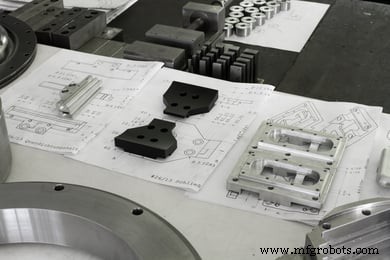
Carbon Steel Fabrication
Carbon steel is the the most used material for metal fabricators and is the predominant metal for industrial purposes. Carbon steel has the most versatile options and can be used anywhere from construction to machinery. This material is easy to work with and is prevalent for fabricators as it can be finished in a number of ways. Carbon steel is know for its strength and sturdiness, can withstand harsh conditions of industrial environments and is readily available in a wide range of thickness and stock sizes.
Stainless Steel Fabrication
Stainless steel is known for its distinctive polished steel alloy silver mirror coating. The material is composed of carbon steel, aluminum and chromium, which does not tarnish in air. This is common metal for fabricators because it is relatively easy to work with. With the benefit of the material bending readily, this is a great material for welding. Stainless steel is typically used for applications where the need for corrosion-resistant properties is needed.
Aluminum Fabrication
Aluminum is popular for metal fabrication because the material is lightweight, which is essential for industries that need metal for projects but can’t manage the weight. Industries that often use this lightweight material, for instance, would be that of automotive or aerospace industries. Ultimately, aluminum is lightweight, durable and versatile with good thermal properties.
CAMM Metals | Fabrication Services CT
CAMM Metals operates a 17,000 square foot facility utilizing the latest 3D CAD/CAM software, CNC Machinery and highly skilled employees to service the Metal Fabrication, CNC Machining, Waterjet Cutting and Welding needs of Manufacturers and OEM’s throughout New England. Quality work and timely delivery are the principles that Al focused on as a one man operation and they are the same principles that drive our company today.
Metal
- Choosing the Right Metal for Building Exteriors: Durability, Cost, and Aesthetics
- Understanding the Four Core Types of Steel for Construction and Manufacturing
- Metal Fabrication 101: A Clear Guide for Beginners
- Choosing the Right Metal: Key Benefits for Fabrication Projects
- Why Stainless Steel Is the Smart Choice for Your Metal Fabrication Projects
- Choosing Between Stainless Steel and Carbon Steel for Metal Fabrication: A Practical Guide
- Ensuring Punch Accuracy in Metal Fabrication: Precise Measurement Techniques
- Expert Stainless Steel Fabrication for Foodservice Facilities
- Understanding Steel Fabrication: Processes, Materials, and Applications
- 5 Key Advantages of Structural Steel for Fabrication