



Understanding Steel Fabrication: Processes, Materials, and Applications
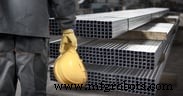 Simply put, steel fabrication is the process involving the transformation of raw steel into a product or item that can be used in construction or assembly. Steel is considered an alloy of iron and other metals. There are a wide variety of different kinds of steels, which are used in structural and fabrication operations. Essentially, fabrication is basically making a metal into the shape you need.
This blog post will provide a brief overview of steel fabrication, discussing the basic methods of fabrication as well as the basic raw materials involved.
What Is Steel Fabrication?
Steel fabrication involves taking raw materials and shaping them to their desired form. The raw materials are melted down and mixed into steel before being constructed into the desired shape. The process requires a skilled technician who has the experience in taking raw components and transforming them into marketable items, and there is often very little room for error. Industrial facilities use steel fabrication to create everything from vehicular parts to household appliances.
The basic methods of fabricating include cutting or burning, forming, machining, or welding. Here is a brief overview of how each of these tactics work:
- Machining: This process involves using a specialized piece of equipment to shave away parts of the metal to make it into the shape that is needed. Some of the tools that are involved include lathes, mills and drills.
- Cutting: We utilize water jet cutting, an abrasive process that uses high pressure water to cut virtually any material with a high level of precision and no distortion. Check out the benefits of water jet cutting here.
- Welding: This is a common form of steel fabrication. Welding is used to bend or combine pieces to make them one piece. Check out this blog post on the differences between MIG and TIG welding. As a CT welding contractor, we specialize in MIG & TIG welding of Steel, Stainless Steel and Aluminum and use Pulsed welding machines to help control the heat put into a part, minimize distortion, and improve the quality of the parts we produce.
Machinists who are tasked with steel fabrication would first have to gauge the original shape of the raw material which might exist in the form of a flat plate, reshaped channels, pipes or many other starting forms. Once the steel has been processed, the next step to be taken by the fabricator entails determining its shape. There are two factors which govern this outcome, namely the software package and the equipment available in the machine shop. In this regard, most of the metal fabrication companies prefer using cutting-edge technology to keep track of the operation and maintain the proficiency of the process.
What are the basic raw materials involved with metal fabrication?
There’s quite a few raw materials that are necessary for metal fabrication. Knowing which items to keep on hand can help speed up the fabrication process, ensuring that workers always have access to a full supply of what they need to get the job done. Here are a few basic materials that are necessary for many metal fabrication projects:- Plate Metal: fabricators use this to shape the pieces that are working with so that they can have a better range of what they can do.
- Fittings: these are often necessary for creating and completing pieces
- Castings: these are often used to add visual interest to the fabrication. Keeping them on hand may help speed the creation process.
- Formed and Expanded Metal: Expanded metal is grate-like so it is well suited for things like outdoor furniture that need to be able to let moisture flow off.
- Sectional metal: “L” beams are an example of a type of commonly used sectional metal. Z shapes (they resemble the letter Z) are also used as well as bar metal and rod metal
- Flat metal: Flat metal like sheet metal and plate metal are all great for fabrication and can be added to pieces to create visual interest and texture. These are well suited for making shapes as well.
- Welding Wire: Since fabrication requires that metal pieces be welded together, it’s critical to keep various types and thicknesses of welding wire on hand so that pieces can be joined to one another.
CAMM Metals | Steel Fabrication CT
CAMM Metals operates a 17,000 square foot facility utilizing the latest 3D CAD/CAM software, CNC Machinery and highly skilled employees to service the Metal Fabrication, CNC Machining, Waterjet Cutting and Welding needs of Manufacturers and OEM’s throughout New England. Quality work and timely delivery are the principles that Al focused on as a one man operation and they are the same principles that drive our company today.
Metal
- Understanding Sheet Metal Fabrication: Techniques & Applications
- Sheet Metal Fabrication: From Design to Delivery – A Complete Process Guide
- Understanding Metal Fatigue: Causes, Consequences, and Prevention
- What Is A2 Steel? A Versatile, Cost‑Effective Tool‑Steel Grade for Industrial and Woodworking Applications
- Industries Relying on Metal Fabrication: A Comprehensive Overview
- What Is Machining? A Comprehensive Guide to Precision Metal Fabrication
- Understanding Foundries: The Backbone of Modern Manufacturing
- Silver Steel Explained: Composition, Uses, and Manufacturing
- Choosing Between Stainless Steel and Carbon Steel for Metal Fabrication: A Practical Guide
- Three Essential Metals for Precision Fabrication: Carbon Steel, Stainless Steel, and Aluminum