



Sheet Metal Fabrication: From Design to Delivery – A Complete Process Guide
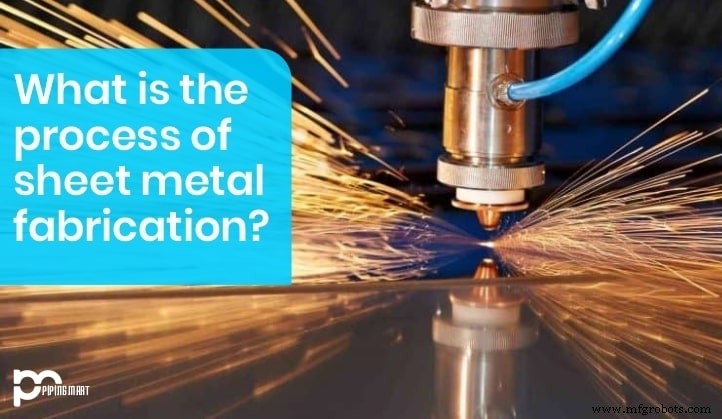
Sheet metal manufacturing—commonly referred to as sheet metal fabrication—is the precise art of converting flat metal sheets into functional parts and structures. The process is a collaborative effort that involves skilled technicians, advanced machinery, and a clear workflow within specialized fabrication shops.
Types of Sheet Metals
Sheet metal comes in a variety of alloys, each chosen for its unique properties and application requirements:
• Steel – Known for its toughness and strength, available in many grades for structural and heavy‑duty use.
• Aluminum – Lightweight yet strong, ideal for aerospace, automotive, and cooling systems.
• Magnesium – Extremely low density and high stiffness, used where weight savings are critical.
• Brass – Combines corrosion resistance with excellent acoustic qualities, commonly used for fittings and decorative parts.
• Bronze – Higher melting point and good wear resistance, suitable for heavy‑load applications like turbine components.
• Copper – Highly ductile, malleable, and an excellent electrical conductor, with inherent corrosion resistance.
Fabrication Processes of Sheet Metals
A typical sheet metal fabrication workflow consists of the following stages:
Designing
The journey begins with a clear design brief. Whether the customer supplies detailed drawings or a rough concept, our engineers create a comprehensive pattern that defines every dimension and tolerance required for the final component.
Blank‑Cutting
Large coils of metal are fed into a cutting machine to produce the exact size and shape needed for each part. Precision tools such as laser, plasma, or water‑jet cutters ensure clean edges and accurate dimensions.
Punching
After blanking, holes and intricate shapes are formed using a punch‑and‑die set. Laser cutting can also be employed for complex geometries that demand high precision.
Bending
The metal is then shaped into the required angles and curves using a press brake. Careful sequencing of bends prevents interference and maintains dimensional integrity.
Assembly
Individual parts are brought together through welding, riveting, or adhesive bonding. Common welding methods include CO₂ welding and spot welding, chosen based on material and performance criteria.
Finishing
To meet aesthetic and functional standards, finished components undergo processes such as cleaning, painting, plating, engraving, or heat treatment. These steps enhance appearance, protect against corrosion, and can tailor mechanical properties for specific operating conditions.
Quality Control
Rigorous inspections verify that every dimension, surface finish, and mechanical property matches the design specification. Defective units are reworked or discarded to uphold quality standards.
Packing
Once approved, the final products are carefully packaged to protect them during transit and delivered to the customer’s facility or end‑use location.
Metal
- Understanding Sheet Metal Fabrication: Techniques & Applications
- The Complete Brass Recycling Process: From Scrap to New Products
- Unlocking Value: The Key Advantages of Custom Sheet Metal Fabrication
- Deep Drawing Process Explained: How Sheet Metal is Formed into Complex Shapes
- Understanding Sheet Metal Gauge: Why Thickness Matters in Fabrication
- Choosing the Right Sheet Metal Fabrication Method for Your Project
- Understanding Sand Casting: The Step‑by‑Step Process Explained
- Punching vs. Blanking in Metal Fabrication: Key Differences Explained
- Sheet Bending Machines Explained: Types, Processes, and Applications
- Understanding Steel Fabrication: Processes, Materials, and Applications