



The Complete Brass Recycling Process: From Scrap to New Products
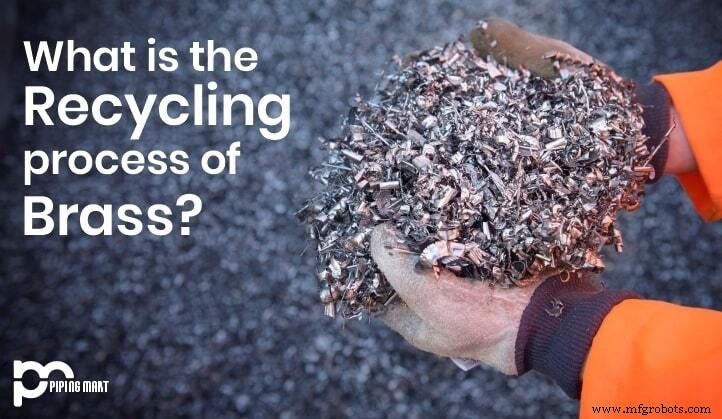
The global metal industry depends on recycling to maintain sustainability and economic efficiency. Producing new brass—typically a 55% copper and 45% zinc alloy—from virgin raw materials consumes vast energy and depletes natural resources. In the UK, nearly 100% of metal scrap is reused, demonstrating the industry's commitment to resource conservation.
Brass can be recycled indefinitely without loss of mechanical or aesthetic properties, offering significant environmental and cost advantages. Recycling brass uses less energy than melting virgin copper and zinc, reducing greenhouse‑gas emissions by up to 95% and conserving raw materials.
Below is a step‑by‑step overview of the brass recycling workflow, highlighting how scrap is transformed into high‑quality, ready‑to‑use alloy bars.
The Brass Recycling Process
- Collection
Scrap brass originates from a variety of sources: discarded appliances, automotive components, architectural fittings, and industrial by‑products. Dedicated scrap yards and recycling facilities gather this material, ensuring it is diverted from landfills and kept within the production loop.
- Sorting & Pre‑Processing
Collected scrap is sorted by alloy composition and contamination level. Advanced magnetic and eddy‑current separation removes ferrous metals and non‑metallic impurities, while manual inspection identifies items requiring special handling.
- Shredding & Size Reduction
Sorted brass is shredded into small flakes or granules. Reducing the particle size increases surface area, facilitating rapid melting and improving the efficiency of downstream processing steps.
- Melting
Shredded brass is fed into a dedicated electric arc furnace or induction furnace. Controlled temperature (around 950–975 °C) melts the alloy while minimizing oxidation. The furnace is equipped with a dust‑collection system to capture airborne particulates.
- Decontamination & Alloy Refinement
During melt, impurities such as slag, oxides, and residual fluxes are removed by skimming and flux addition. In some facilities, an electro‑refining stage further purifies the melt, ensuring the final alloy meets stringent industry standards.
- Casting & Forming
Purified molten brass is poured into molds to produce billets, rods, or extruded shapes. Rapid cooling solidifies the alloy into uniform bars that are ready for downstream manufacturing processes.
- Quality Control & Packaging
Finished bars undergo dimensional inspection, chemical analysis, and surface finish checks. Certified grades (e.g., A2, C360, B90) are stamped, packaged, and labeled for distribution to manufacturers.
- Re‑introduction to the Supply Chain
Recycled brass bars are shipped to metal fabricators, foundries, and engineering firms, where they become the raw material for new components—ranging from musical instruments to aerospace parts.
- Life‑Cycle Completion
At the end of their useful life, these new brass products are once again collected, re‑sorted, and recycled, completing a closed‑loop cycle that conserves resources and reduces environmental impact.
Metal
- Metallic Glass: The Ultra‑Strong, Ultra‑Soft Alloy Bridging Metals and Glass
- Tungsten: Properties, Applications, and Industry Overview
- Key Properties of Refractory Metals – What You Need to Know
- Steel, Aluminum, and Brass Sheet Metal: Key Differences Explained
- Understanding Sheet Metal Fabrication: Techniques & Applications
- Understanding the Flange Forging Process: Benefits, Techniques, and Applications
- Sheet Metal Fabrication: From Design to Delivery – A Complete Process Guide
- The Aluminum Extrusion Process: From Billet to Finished Profile
- The Modern Manufacturing Process: Key Techniques and Innovations
- Understanding Sand Casting: The Step‑by‑Step Process Explained