



Understanding the Flange Forging Process: Benefits, Techniques, and Applications
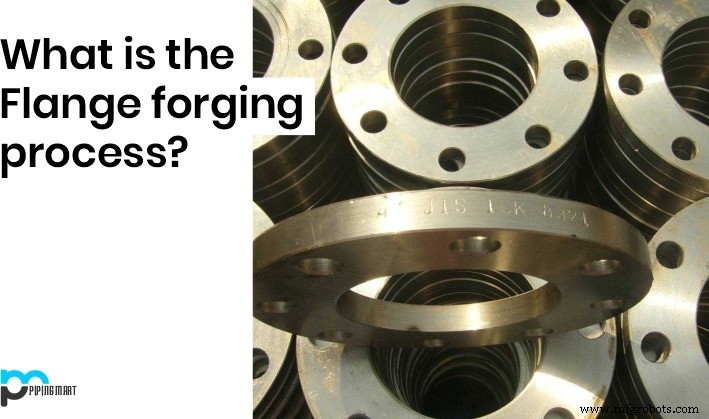
Forged flanges serve as critical junctions in piping systems, linking cylinders, valves, pumps, and other equipment. By combining two distinct sections of a structure, they create a robust attachment that enhances overall system strength. Industrial flanges are essential for connecting sheets, pumps, pipes, and structural elements where a reliable intermediate connection is required. Stainless‑steel flanges come in a variety of designs, each tailored to specific operational needs. Large welded‑neck flanges, for instance, are bolted to the base of tubing and are engineered so that the flange diameter matches the pipe’s internal diameter. These designs are especially common in high‑pressure applications.
Advantages of Forged Flanges
Flanges are typically welded to pipes or threaded onto a shaft, then secured with bolts. Forging provides a cost‑effective way to produce both basic components and specialty sections in limited runs. Free forging tools—such as pneumatic hammers, steam‑air hammers, and hydraulic presses—enable quick production of small and medium‑sized forgings. The process offers fast turnaround, minimal machining, and easy automation. Because die forging produces parts with tight tolerances and minimal machining allowance, it further extends the component’s service life.
Flange Forging Process
The forging workflow generally follows these steps: selecting a standard steel billet, heating it to the proper temperature, shaping the billet under pressure, and then cooling it to achieve the final geometry. Forging can be performed by free forging, die forging, or tire forging, each suited to different batch sizes and complexity levels. The process is highly efficient, offers rapid production, and is well‑suited to automated operations. Die forging, in particular, reduces machining allowance and is ideal for large‑scale production, resulting in components with superior durability.
Free forging involves slow, controlled deformation of the billet using specialized tools. This method is ideal for creating broad, perforated, or bent shapes. An upset operation reduces the billet’s height while increasing its cross‑section, which is common when forging gear blanks and disk‑shaped components. The process can be divided into overall heading and minimal welding stages.
Die forging—often called template forging—is carried out in a dedicated press where the billet is packed, heated, pre‑forged, drawn, cut, trimmed, and blasted to shape. The technique employs a combination of pushing, twisting, punching, and shaping motions to achieve the desired geometry.
Typical die‑forging equipment includes die hammer forging presses, hot‑die forging presses, flat forging systems, and friction presses. Because die forging yields a refined crystal structure, it delivers higher strength and quality, albeit at a higher cost compared to free forging.
Metal
- Sheet Metal Fabrication: From Design to Delivery – A Complete Process Guide
- The Complete Brass Recycling Process: From Scrap to New Products
- The Aluminum Extrusion Process: From Billet to Finished Profile
- Sandblasting: Key Benefits for Surface Preparation and Metal Fabrication
- High Pressure Die Casting (HPDC): The Precision Process for Complex Parts
- The Modern Manufacturing Process: Key Techniques and Innovations
- Automate Operations to Drive Profit Recovery
- Understanding the Soap Manufacturing Process: From Fats to Saponification
- Understanding Sand Casting: The Step‑by‑Step Process Explained
- CNC Turning Explained: The Complete Process Overview