



Metallic Glass: The Ultra‑Strong, Ultra‑Soft Alloy Bridging Metals and Glass
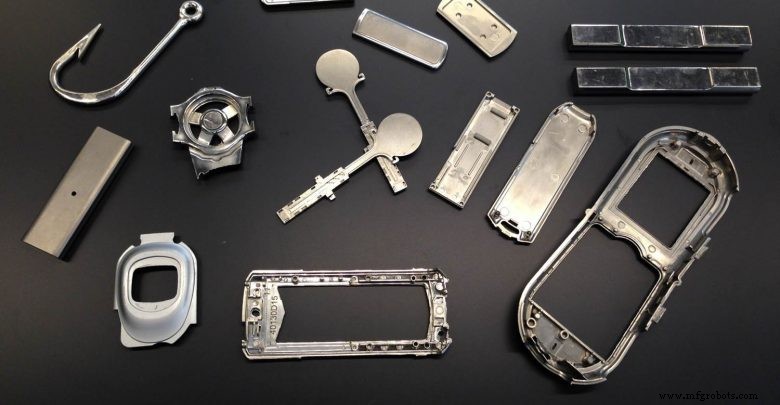
Metallic Glass: The Ultra‑Strong, Ultra‑Soft Alloy Bridging Metals and Glass
Metallic glass—also called amorphous alloy—is a material that combines the toughness of glass with the ductility of metal, creating an almost unbreakable substance.
Unlike conventional glass, which cools from a liquid to a solid without crystallization, and ordinary metals, which crystallize into a regular lattice, metallic glass retains a disordered atomic arrangement. This lack of long‑range order gives it exceptional mechanical and magnetic properties.
During solidification, the metal atoms are rapidly cooled so that they cannot rearrange into a crystal lattice. The resulting structure behaves like a glassy solid: it is hard, yet it can return to its original shape after deformation, and it exhibits a high elastic limit.
Because of these traits, metallic glass is being explored for a wide range of applications—from power transformer cores to high‑performance golf clubs—where a lightweight yet incredibly strong material is essential.
Key properties include:
- High strength and hardness—often exceeding that of conventional steel.
- Large elastic deformation capacity—allowing the material to flex without cracking.
- Low thermal expansion—making it stable under temperature fluctuations.
- Excellent magnetic characteristics—particularly when composed of iron‑based alloys.
Scientific interest in metallic glass has surged since the late 1980s, with major research initiatives launched by the United States, Japan, and the European Union. Recent breakthroughs show that certain compositions exhibit “super‑plasticity,” outperforming steel in strength while remaining highly ductile.
One notable advancement involves a five‑component alloy that includes the rare metal palladium. Palladium enhances plasticity and mitigates cracking, but its high cost—currently above $800 per ounce—poses a commercial challenge.
Despite these hurdles, researchers are actively seeking alternative alloying elements and processing techniques to reduce dependence on precious metals, aiming to make metallic glass a practical material for mainstream engineering.
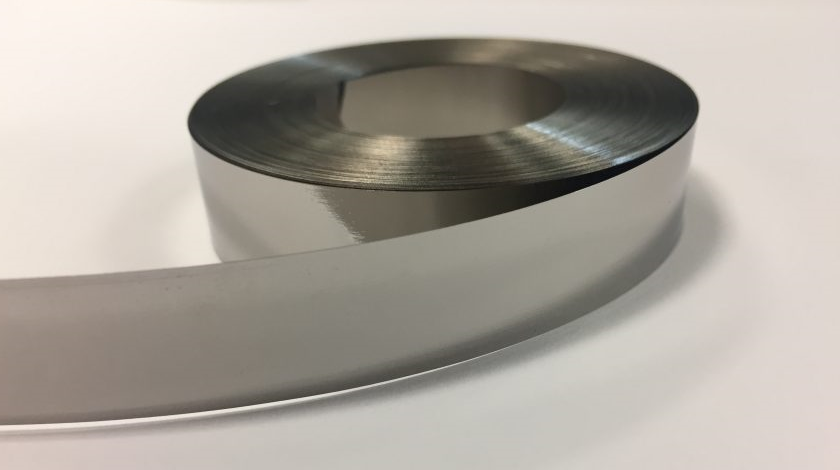
Metallic Glass
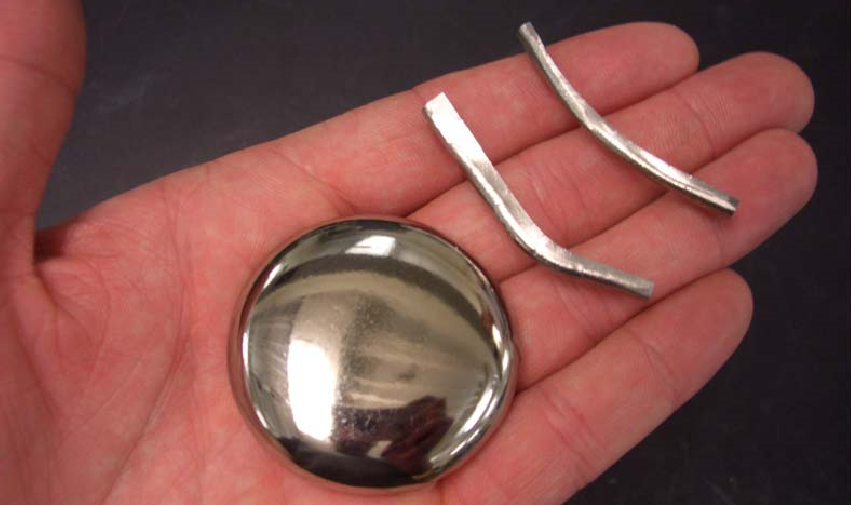
Metallic Glass
Metal
- Tungsten: The World’s Most Refractory Metal and Its Applications
- Tungsten: Properties, Applications, and Industry Overview
- Key Properties of Refractory Metals – What You Need to Know
- Optimal Methods for Bonding Metal to Plastic: A Technical Guide
- Sheet Metal Fabrication: From Design to Delivery – A Complete Process Guide
- The Complete Brass Recycling Process: From Scrap to New Products
- Understanding Metal Fatigue: Causes, Consequences, and Prevention
- What Is Machining? A Comprehensive Guide to Precision Metal Fabrication
- Understanding Foundries: The Backbone of Modern Manufacturing
- Annealing Explained: Reducing Hardness & Enhancing Metal Durability