



Tungsten: Properties, Applications, and Industry Overview
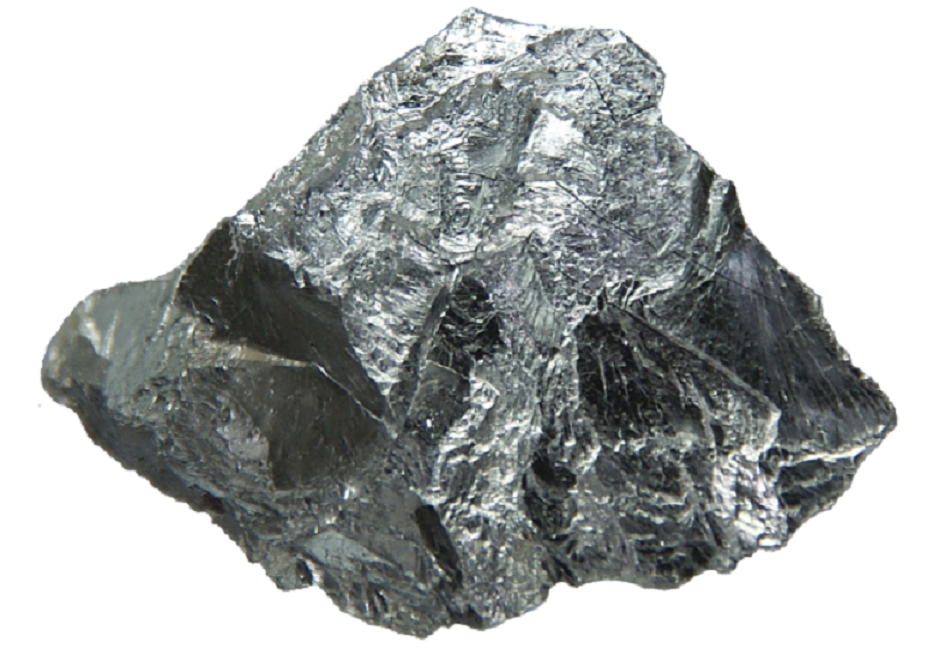
What Is the Basic Tungsten Metal Like?
Tungsten (W) is the most abundant of the refractory metals, yet roughly half of the world’s reserves lie in China, with significant deposits also in Korea, Bolivia, Portugal, Australia, Thailand, Canada, and the United States. Despite this, the U.S. remains heavily dependent on imports to meet its demand.
Since the late 1970s, the recovery of tungsten from scrap has risen steadily; today, about 30 % of global tungsten consumption comes from recycled material. Tungsten boasts the highest melting point of any metal—3 410 °C (6 170 °F)—and one of the highest densities, providing exceptional strength at both ambient and elevated temperatures.
When combined with carbon, tungsten becomes one of the hardest man‑made materials, forming tungsten carbide (WC). While many know tungsten from light‑bulb filaments, its most valuable uses are in high‑performance cutting tools, mining equipment, and oil‑drilling components.
There are three primary tungsten forms, each tailored to specific applications:
- Tungsten metal—pure W for high‑temperature applications.
- Tungsten carbide—WC for cutting and wear‑resistant tools.
- Tungsten heavy alloys—high‑density alloys for counterweights and radiation shielding.
All start from a high‑purity powder, but the key attributes remain: highest melting point, exceptional density, and outstanding strength across a wide temperature range.
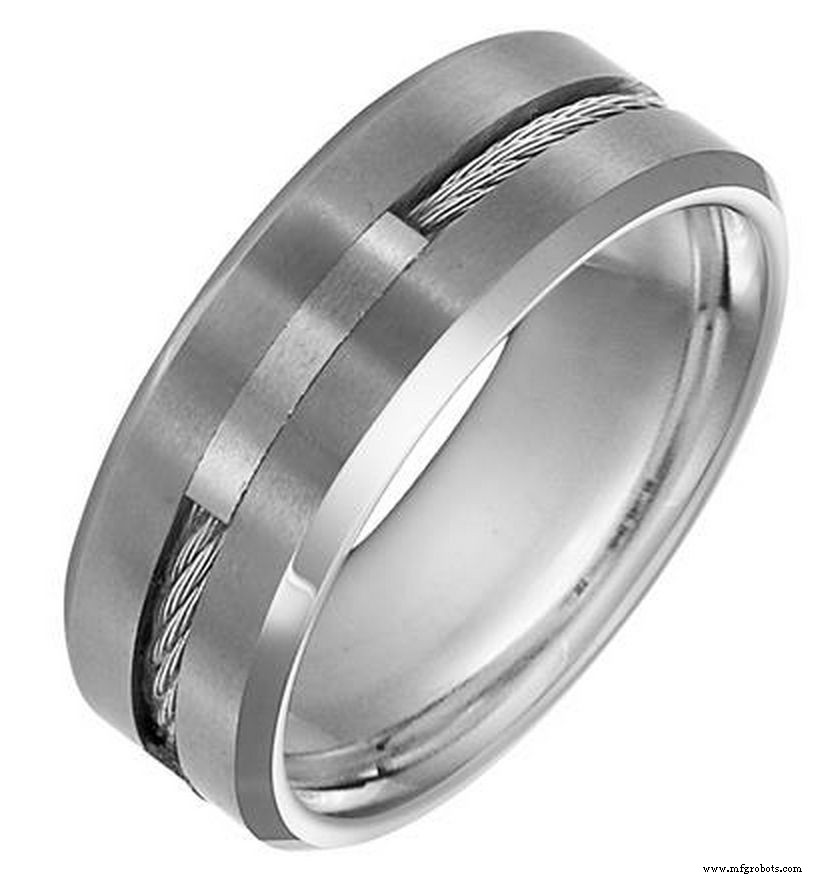
At temperatures above approximately 538 °C (1 000 °F), tungsten oxidizes rapidly. To mitigate this, parts are typically coated (e.g., with silicide or noble metal cladding such as platinum‑gold alloys), operated in a vacuum, or surrounded by a protective atmosphere. Common high‑temperature uses—incandescent lamp filaments, electron‑tube electrodes, and heating elements—rely on these protective strategies.
W shows excellent resistance to water and atmospheric corrosion at room temperature and can withstand aggressive environments that degrade other metals. It resists nitric, sulfuric, and hydrofluoric acids at ambient conditions and remains inert to liquid ammonia. Only hot alkaline solutions—potassium, sodium, or ammonium hydroxides—cause slight attack.
W also tolerates liquid metals such as sodium, mercury, gallium, and magnesium, as well as oxide ceramics including alumina, magnesia, zirconia, and thoria. These properties make tungsten crucibles ideal for melting such materials in inert atmospheres. While tungsten resists hydrogen, it reacts at elevated temperatures with gases like CO₂, CO, NO, NO₂, and SO₂.
Conclusion
Thank you for exploring the remarkable world of tungsten. For deeper insights into basic tungsten metal and other refractory metals, visit Advanced Refractory Metals. We supply premium refractory metals at competitive prices, backed by industry expertise and rigorous quality control.
Metal
- Tungsten: The World’s Most Refractory Metal and Its Applications
- Top Applications of Tungsten Wire in Modern Industry
- The World's Most Refractory Material: Beyond Tungsten
- Metallic Glass: The Ultra‑Strong, Ultra‑Soft Alloy Bridging Metals and Glass
- Why Platinum Holds the Title of the Most Expensive Metal
- Industrial Diamond: How Tungsten Powers Modern Technology
- Key Properties of Refractory Metals – What You Need to Know
- Sheet Metal Fabrication: From Design to Delivery – A Complete Process Guide
- The Complete Brass Recycling Process: From Scrap to New Products
- Maximizing Profitability in Metal Machining: Cost‑Efficiency and Quality