



Metal Spinning Explained: CNC Lathe Process for Precise, Seamless Metal Parts
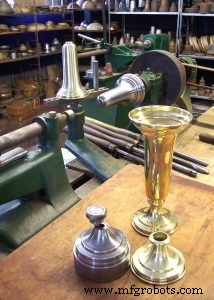
Also known as metal turning, metal spinning is a type of metalworking process that involves the use of a rotating machine — typically a CNC lathe — to deform metal over a pre-shaped mold. Unlike with other metal turning processes, however, it doesn’t strip away or otherwise remove any of the metal material. Rather, metal spinning changes the shape of metal to reflect that of the mold on which it was spun.
The Steps to Metal Spinning
Metal spinning can be performed manually by hand or with a CNC lathe, the latter of which is preferred because of its ability to streamline the process. CNC lathes allow workers to control and automate the metal spinning process by programming the turning machine’s operations into a computer program.
When a CNC lathe is used in metal spinning, a worker will begin by placing a circular-, square- or rectangular-shaped piece of metal into the CNC lathe’s drive area. The metal piece is typically secured using a pressure pad. Once in place, the CNC lathe is activated to rotate and press the mold against the metal piece. The rotational power of the CNC lathe then deforms the metal piece to achieve the same shape as the mold. When metal spinning is performed by hand, a worker manually presses the mold against the metal piece.
Benefits of Metal Spinning
Metal spinning offers a variety of benefits, one of which is ease of use. Since its a type of cold-working process, it doesn’t require the smelting or heating of metal. Instead, the metal is deformed and reshaped without being exposed to heat. This makes metal spinning easier and even safer to perform than hot-working processes.
Since it compresses metal pieces, metal spinning may increase the strength and performance over the finished product. As the CNC lathe exposes the metal piece to rotational force, the metal piece compresses and deforms, thus increasing its tensile strength.
Furthermore, metal spinning works on most all ductile metals, including stainless steel, steel alloys, aluminum, bronze, iron and more. As long as a metal is ductile, it will deform when processed via metal spinning.
Are There Disadvantages to Metal Spinning?
The only real disadvantage to metal spinning is the potential for damaging the metal piece. If the metal piece cracks during the process, for example, there’s no way to repair it. The piece must be scrapped and replaced with a new one to achieve the desired outcome.
Metal
- Understanding Metal Fatigue: Causes, Consequences, and Prevention
- What Is Machining? A Comprehensive Guide to Precision Metal Fabrication
- Understanding Foundries: The Backbone of Modern Manufacturing
- Annealing Explained: Reducing Hardness & Enhancing Metal Durability
- Metal Cladding Explained: Benefits, Types, and Design Tips
- Understanding Metal Processing: Turning Scrap into New Products
- Understanding Pot Metal: Composition, Uses, and Quality Concerns
- Palladium Explained: Properties, Uses, and Value
- Understanding Foundries: Where Metal Becomes the Building Blocks of Modern Industry
- Understanding Steel Fabrication: Processes, Materials, and Applications