



Top 10 Highest-Melting Materials in the World
Top 10 Highest-Melting Materials in the World
Curious about the materials that can withstand extreme temperatures? This article presents the ten substances with the highest melting points, backed by scientific data and real‑world applications.
Materials with the Highest Melting Point in the World
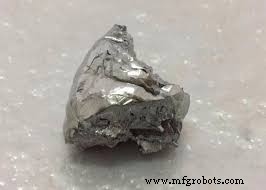
1. Tantalum‑Hafnium Carbide Alloy (Ta4HfC5) – 3,990 °C
Tantalum‑hafnium carbide alloy holds the top spot. It combines the high‑temperature resilience of tantalum carbide (3,983 °C) and hafnium carbide (3,928 °C). This alloy is engineered for extreme‑heat environments, such as rocket nozzles, jet engine components, and high‑temperature sensors.
Ta4HfC5
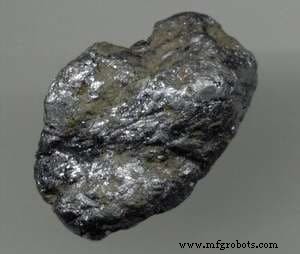
2. Graphite – 3,652 °C
Graphite, an allotrope of carbon, exhibits a melting point that exceeds that of diamond due to its robust covalent network. Its exceptional thermal conductivity, electrical conductivity, and chemical stability make it indispensable in high‑temperature furnaces, electrodes, and as a lubricant in extreme conditions.
Graphite
3. Diamond – 3,550 °C
Despite its fame as the hardest known material, diamond’s melting point is slightly lower than graphite’s. Its covalent bonds are longer (1.55 Å vs. 1.42 Å in graphite), resulting in a lower bond energy. Diamond remains vital for precision cutting tools, drilling bits, and high‑performance abrasives.
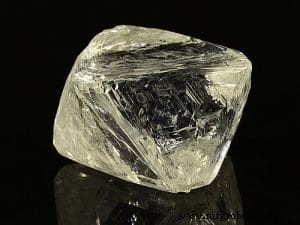
Diamond
4. Tungsten – 3,400 °C
Wolfram (W) is the highest‑melting single element and a workhorse in metallurgy. Its high hardness and resistance to oxidation at room temperature make it ideal for filaments, high‑speed cutting tools, and optical components that operate in harsh environments.
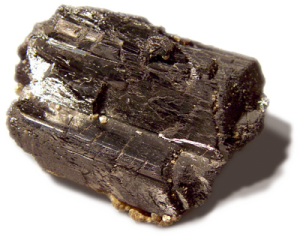
Tungsten
5. Titanium Diboride (TiB2) – 3,225 °C
TiB2 is a ceramic with a hexagonal AlB2 structure, combining high thermal conductivity with oxidation resistance. Its conductivity also enables use as a cathode material in aluminum smelting and as a high‑temperature structural component.
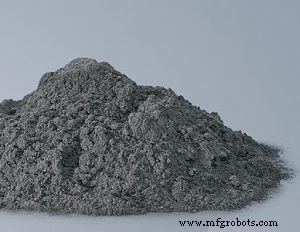
TiB2
6. Zirconium Diboride (ZrB2) – 3,245 °C
With a melting point of 3,246 °C and a density of 6.09 g cm–3, ZrB2 is a leading ultra‑high‑temperature ceramic (UHTC). Its mechanical strength at 2,000 °C makes it suitable for supersonic flight, rocket propulsion, and high‑temperature turbine components.
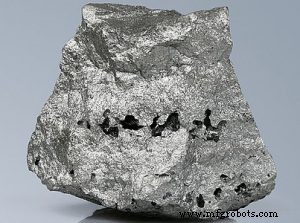
ZrB2
7. Rhenium – 3,180 °C
Rhenium is one of the rarest and most heat‑resistant metals. Its stability as rhenium sesquioxide (Re2O7) and resistance to corrosion enable applications in electrical filaments, satellite components, and protective plates for nuclear reactors.
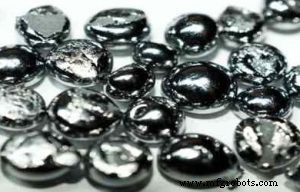
Rhenium
8. Titanium Carbide (TiC) – 3,100 °C
TiC is a hard ceramic (Mohs 9–9.5) that shares the face‑centered cubic structure of NaCl. It exhibits excellent thermal and electrical conductivity and even superconductivity at very low temperatures. TiC is widely used in cermets, wear‑resistant alloys, and high‑temperature vacuum equipment.
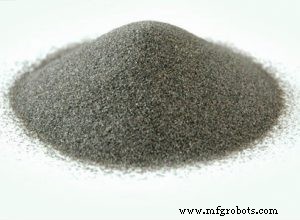
Titanium‑Carbide Powder
9. Osmium – 3,045 °C
Osmium, the densest naturally occurring metal, has a melting point of 3,045 °C. Its stability in air and exceptional hardness make it valuable for ultra‑hard alloys, precision instruments, and high‑performance bearings.
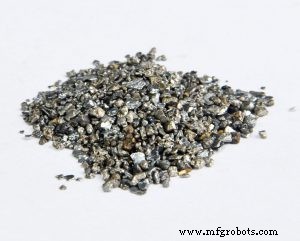
Osmium
10. Silicon Carbide (SiC) – 2,820 °C
SiC is produced by sintering quartz sand, petroleum coke, and other raw materials in a high‑temperature furnace. Its high hardness and thermal conductivity allow it to serve as a structural ceramic in automotive brakes, clutches, and bullet‑proof vests.
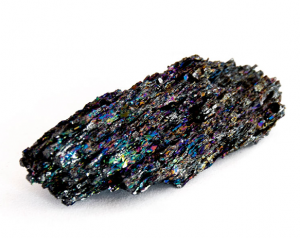
SiC
Conclusion
Thank you for exploring the world’s highest‑melting materials. If you know of any additional substances that warrant inclusion, please share your insights in the comments.
For deeper technical details on refractory metals, visit Advanced Refractory Metals (ARM), a leading manufacturer headquartered in Lake Forest, California, that supplies high‑quality refractory products worldwide.
Metal
- Top 10 High‑Melting‑Point Metals: From Tungsten to Titanium
- Top 5 Strategic Metals Shaping Modern Defense & Aerospace
- Which Elements Boast the Highest Melting Points?
- IoT: The Real Golden Ticket for Business Growth—or Just a Goose with a Golden Egg?
- The Value of Point P: A Strategic Focus for Reliability & Maintenance
- Metal Melting Points: A Practical Guide for Fabricators and Welders
- IoT World: Inside Vertica’s Big‑Data Solution for IoT Analytics
- Vietnam Calcium Carbonate Masterbatch – Premium Quality Filler for Global Plastic Production
- 2020 Global List: The Ten Largest Container Ships
- Understanding Elastomeric Materials: Key Principles & Applications