



Which Elements Boast the Highest Melting Points?
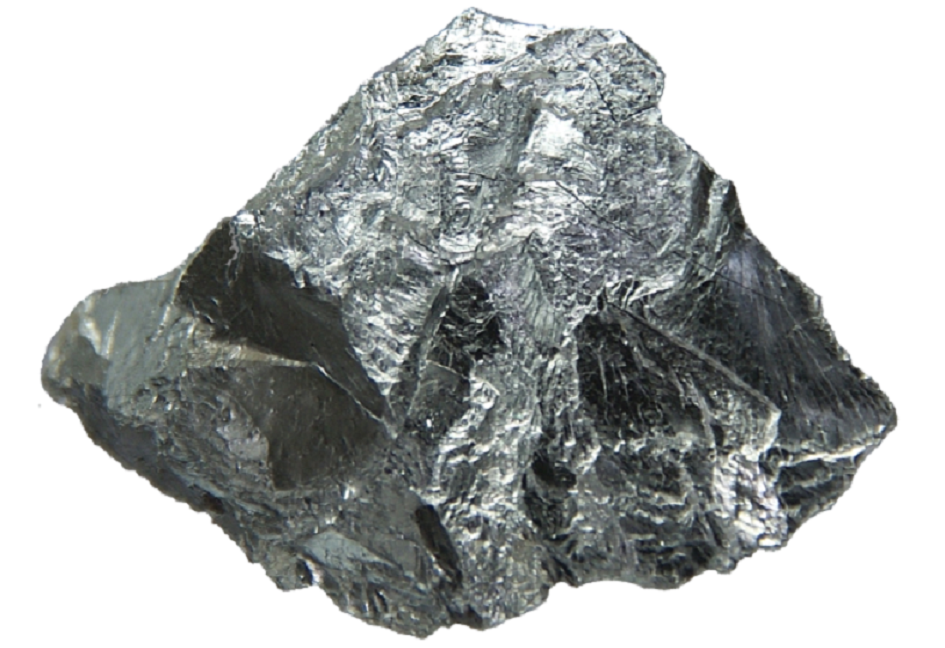
Which Elements Boast the Highest Melting Points?
The melting point marks the temperature at which a substance transitions from solid to liquid. Among the periodic table, a select group of metals—known as refractory metals—exhibit exceptionally high melting points, often exceeding 2,000 °C, while retaining remarkable mechanical strength. These metals include niobium, molybdenum, tantalum, tungsten, and rhenium.
Metals owe their high melting temperatures to robust metallic bonding, an electrostatic attraction between positively charged metal ions and a delocalized “sea” of free electrons that permeates their crystal lattice. This bonding creates densely packed structures that resist atomic motion until very high temperatures are reached.
Tungsten stands out as the metal with the highest known melting point at 3,422 °C. Its exceptional heat tolerance makes it indispensable for applications that demand extreme temperature resilience, such as incandescent bulb filaments and high‑temperature furnace components. In contrast, cesium melts at a modest 28.5 °C, illustrating the vast range of thermal behaviors among elements.
Below is a curated list of elements with the most elevated melting points, useful for researchers and engineers working with high‑temperature materials:
| Element | Melting Point (°C) |
|---|---|
| Copper (Cu) | 1,083 |
| Manganese (Mn) | 1,245 |
| Beryllium (Be) | 1,278 |
| Nickel (Ni) | 1,453 |
| Cobalt (Co) | 1,495 |
| Erbium (Er) | 1,522 |
| 1,523 | |
| Iron (Fe) | 1,535 |
| Scandium (Sc) | 1,539 |
| Palladium (Pd) | 1,552 |
| Protactinium (Pa) | 1,568 |
| Lawrencium (Lr) | 1,627 |
| Lutetium (Lu) | 1,656 |
| Titanium (Ti) | 1,660 |
| Thorium (Th) | 1,750 |
| Platinum (Pt) | 1,772 |
| Zirconium (Zr) | 1,852 |
| Chromium (Cr) | 1,857 |
Conclusion
Understanding which elements possess the highest melting points is essential for designing materials that can withstand extreme environments. For deeper insights into refractory metals and their industrial applications, visit Advanced Refractory Metals (ARM), a leading manufacturer headquartered in Lake Forest, California. ARM supplies high‑quality tungsten, molybdenum, tantalum, rhenium, titanium, and zirconium worldwide at competitive prices.
Metal
- Top 10 High‑Melting‑Point Metals: From Tungsten to Titanium
- Top 5 Strategic Metals Shaping Modern Defense & Aerospace
- Abundant Refractory Metals: Properties, Applications, and Emerging Technologies
- Top 10 Highest-Melting Materials in the World
- The Crucial Role of Niobium in Modern Superalloys
- Which Metals Are Nickel‑Free? A Comprehensive Guide
- The Value of Point P: A Strategic Focus for Reliability & Maintenance
- Top Conductive Metals: Which Ones Offer the Highest Electrical Conductivity?
- Metal Melting Points: A Practical Guide for Fabricators and Welders
- Top Corrosion-Resistant Metals for Industrial Success