



Tantalum: The Metal That Withstands Aqua Regia and Harsh Chemical Environments
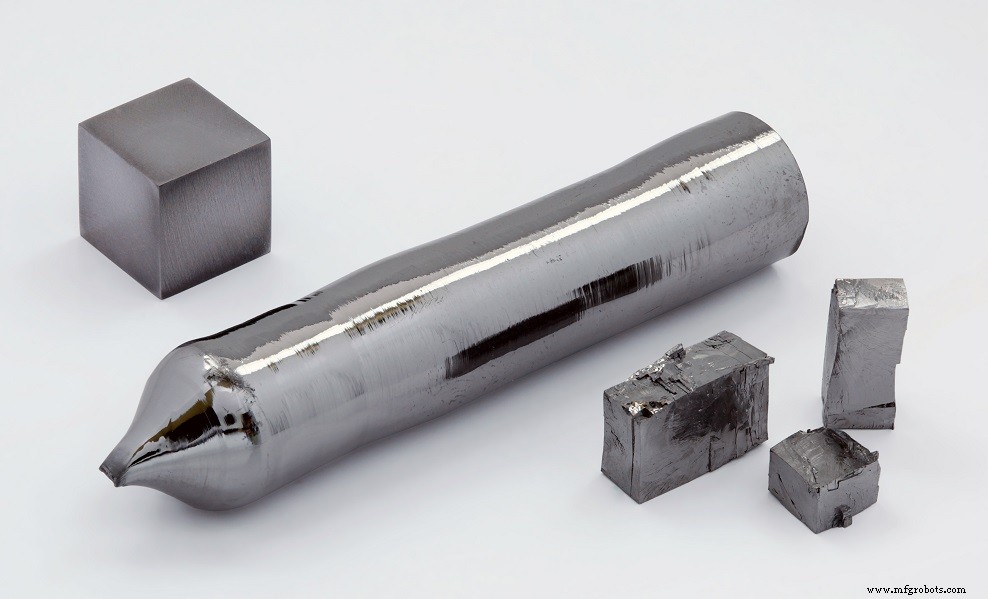
The Metal That Withstands Aqua Regia and Harsh Chemical Environments
Corrosion, the deterioration of materials by environmental factors, poses a significant challenge in many industries. While austenitic stainless steels, Hastelloy, Monel, titanium alloys, platinum, gold, and rhodium are well‑known for their corrosion resistance, one material often overlooked for its exceptional performance is tantalum.
Tantalum’s reputation as a “metal that doesn’t fear aqua regia” is well founded. Its chemical stability rivals that of precious metals, yet it remains cost‑effective and easier to machine at temperatures below room temperature. These properties make tantalum indispensable in a wide range of chemical and high‑temperature applications.
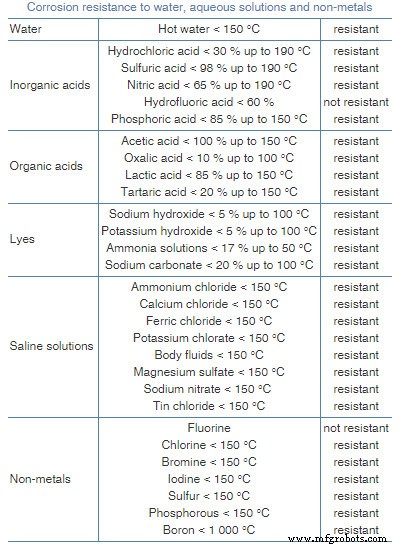
At ambient temperature, tantalum resists almost all inorganic reagents. Only concentrated sulfuric acid, fluorine gas, hydrogen fluoride, hydrofluoric acid, and fluoride‑containing solutions can challenge its integrity. Alkaline media such as molten sodium hydroxide and potassium hydroxide also attack it, while aqueous ammonia remains largely harmless. Exposure to corrosive agents can cause hydrogen to permeate the metal lattice, potentially leading to embrittlement.
As temperature rises, the metal’s corrosion resistance gradually declines. Nevertheless, tantalum remains inert to hydrochloric acid, concentrated nitric acid, and aqua regia under both cold and hot conditions. It is only when exposed to concentrated sulfuric acid above 150 °C that significant corrosion occurs. For instance, after one year in 175 °C sulfuric acid, the material thinned by just 0.0004 mm, and at 200 °C the loss was 0.006 mm.
Pure tantalum already offers outstanding corrosion resistance, but adding tungsten improves it further. Alloys such as Ta‑10 W and Ta‑2.5 W outperform pure tantalum, albeit at higher cost and with increased hardness. These alloys are often selected when maximum chemical durability is required.
Conclusion
Thank you for exploring the remarkable resilience of tantalum. If you’re interested in other refractory metals that can endure extreme chemical environments, visit Advanced Refractory Metals for high‑quality products and expert guidance.
Metal
- Rhenium: A Rare Refractory Metal with Strategic Value
- Metallic Glass: The Ultra‑Strong, Ultra‑Soft Alloy Bridging Metals and Glass
- Key Properties of Refractory Metals – What You Need to Know
- Sheet Metal Fabrication: From Design to Delivery – A Complete Process Guide
- How Tantalum Is Mined: Process, Sources, and Uses
- 4 Rust‑Proof Metals for Long‑Lasting Performance
- Proven Techniques for Corrosion Prevention in Metal Equipment
- 5 Essential Industries That Depend on the Metal Market
- Preventing Metal Corrosion: Proven Strategies for Long-Lasting Durability
- Key Factors Driving Metal Fabrication Costs – A Practical Guide