



Key Properties of Refractory Metals – What You Need to Know
Key Properties of Refractory Metals – What You Need to Know
If you’re working on high‑temperature components or exploring advanced alloys, understanding the core characteristics of refractory metals is essential. These metals underpin many critical technologies, from aerospace to nuclear power.
Definition of Refractory Metals
Refractory metals are elements that maintain a solid state above 3632 °F (≈2000 °C). The group includes tungsten, tantalum, molybdenum, niobium, hafnium, chromium, vanadium, zirconium, and titanium. They are notably dense and heavy, yet they offer exceptional high‑temperature strength and corrosion resistance, making them ideal for demanding environments.
When these metals serve as a matrix in alloys, the resulting compositions are referred to as refractory metal alloys. Their high‑temperature performance is one of their most prized attributes.
While they resist corrosion in molten alkali and steam, a significant limitation is their relatively poor oxidation resistance at very high temperatures.
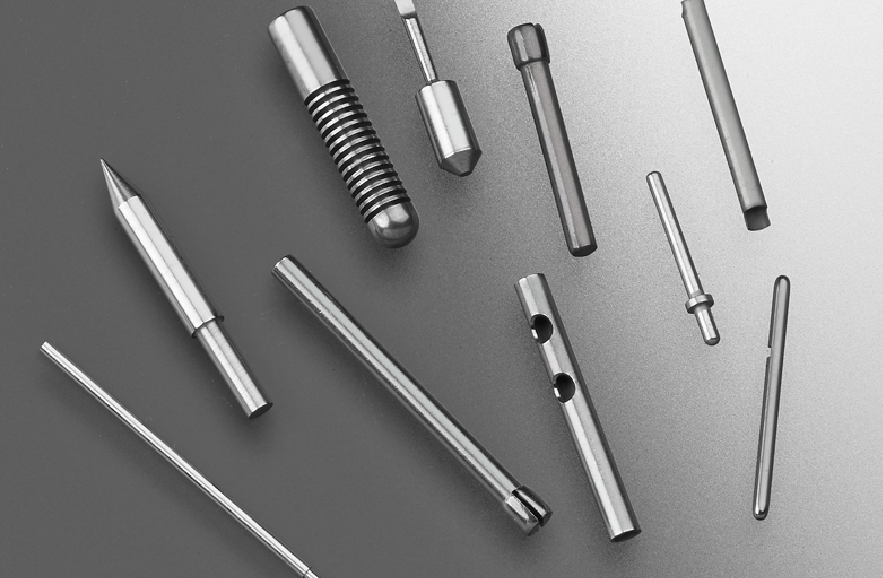
Core Characteristics
1. Low‑Temperature Brittleness
Refractory metals such as tungsten, molybdenum, and chromium become brittle at low temperatures but remain ductile when heated. The ductile‑to‑brittle transition temperature (DBTT) is a key metric, influenced by purity, alloying additions, processing methods, and microstructure.
Mitigation strategies include alloying—for example, adding rhenium to tungsten—or adopting plastic‑processing techniques to lower DBTT.
2. Oxidation Behavior at Elevated Temperatures
At room temperature, these metals are largely inert. However, oxidation becomes rapid once temperatures exceed their critical thresholds:
- Tungsten and molybdenum begin oxidizing around 752 °F, forming WO₃ and MoO₃, respectively.
- Rhenium starts oxidizing at 572 °F, producing Re₂O₇ by 662 °F.
- Tantalum and niobium oxidize at 536 °F and 392 °F, forming Ta₂O₅ and Nb₂O₅ above 932 °F.
- Titanium and zirconium oxidize rapidly between 1112 °F and 1292 °F; their powders can even ignite or explode in air.
Solutions involve creating antioxidant alloys or applying protective coatings, though high‑temperature oxidation remains a challenge.
3. Hydrogen Interaction
These metals are largely unreactive with hydrogen gas, but their oxides can be reduced back to metal at elevated temperatures. When exposed to hydrogen between 572 °F and 932 °F, they form brittle hydrides that can release hydrogen in high vacuum.
This property is exploited in producing alloy powders of titanium, zirconium, tantalum, and niobium.
4. Corrosion Resistance
Below 302 °F, tantalum develops a dense, stable oxide layer, granting it outstanding chemical stability. Tantalum resists sulfuric, hydrochloric, nitric, phosphoric, and organic acids but melts in hydrofluoric acid, concentrated alkali, and molten bases.
Niobium shares similar resistance, though slightly lower than tantalum. Tungsten remains stable in many acids but is susceptible to sodium nitrate. Molybdenum offers comparable, albeit slightly reduced, corrosion resistance.
Overall, tantalum, niobium, titanium, zirconium, and related refractory metals are exemplary protective coatings for corrosive environments.

Conclusion
Thank you for exploring the essential properties of refractory metals. For deeper insights, visit Advanced Refractory Metals (ARM).
Headquartered in Lake Forest, California, ARM is a global leader in the manufacture and supply of high‑quality refractory metals, offering competitive prices for tungsten, molybdenum, tantalum, rhenium, titanium, and zirconium.
Metal
- Tungsten: The World’s Most Refractory Metal and Its Applications
- Refractory Metal Materials: Current Applications and Key Alloy Innovations
- Metallic Glass: The Ultra‑Strong, Ultra‑Soft Alloy Bridging Metals and Glass
- Applications of Zirconium‑Containing Refractories: Performance, Use Cases, and Benefits
- What Are Refractory Metals? An Expert Overview of Their Properties and Applications
- Explore Professional Metal Finishing Options for Durability and Aesthetic Excellence
- Unlocking Value: The Key Advantages of Custom Sheet Metal Fabrication
- How 3D Printing Elevates Metal Fabrication: Key Benefits Explained
- Navigating the Challenges of Aluminum Welding
- Understanding Metal Stickers: Durable, Secure Asset Identification Solutions