



Refractory Metal Materials: Current Applications and Key Alloy Innovations
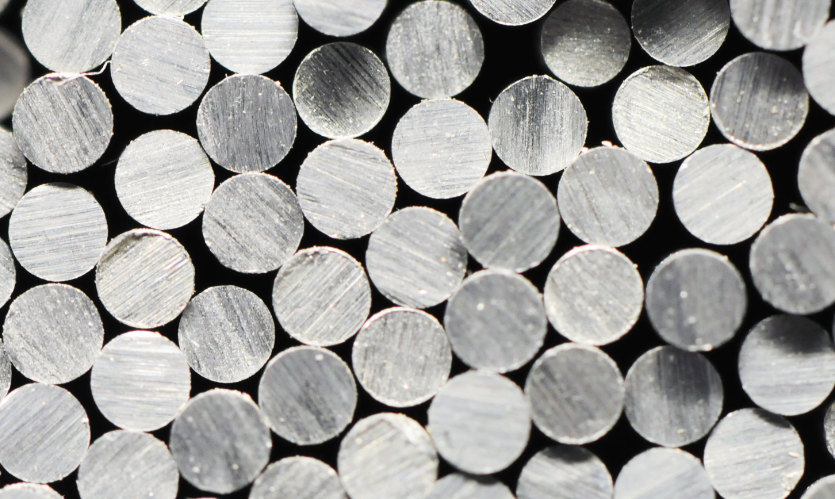
Refractory Metal Materials: Current Applications and Key Alloy Innovations
Refractory metals—tungsten, molybdenum, tantalum, niobium, rhenium, and vanadium—are distinguished by melting points above 2,000 °C. Their exceptional high‑temperature strength, resistance to liquid‑metal corrosion, and favorable processing plasticity make them indispensable for demanding environments ranging from aerospace to nuclear energy.
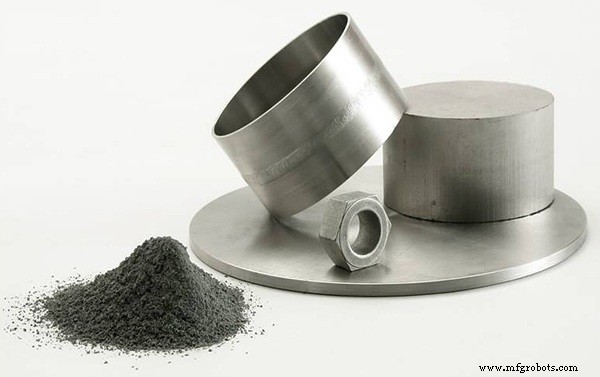
Refractory Metal Material
These alloys typically operate between 1,100 °C and 3,320 °C, exceeding the limits of conventional high‑temperature alloys. Below, we examine the leading refractory metal families and their most impactful alloys.
Niobium Alloys
Niobium alloys combine excellent weldability with room‑temperature plasticity, enabling the fabrication of complex geometries while maintaining a low density. They are categorized by strength (low, medium, high) and density (low, high). In the United States, tungsten, hafnium, and molybdenum strengthen niobium, whereas Russian alloys typically employ zirconium, tungsten, and molybdenum, with carbon added in later stages. With around two dozen commercially available grades, niobium alloys continue to expand in structural and catalytic applications.
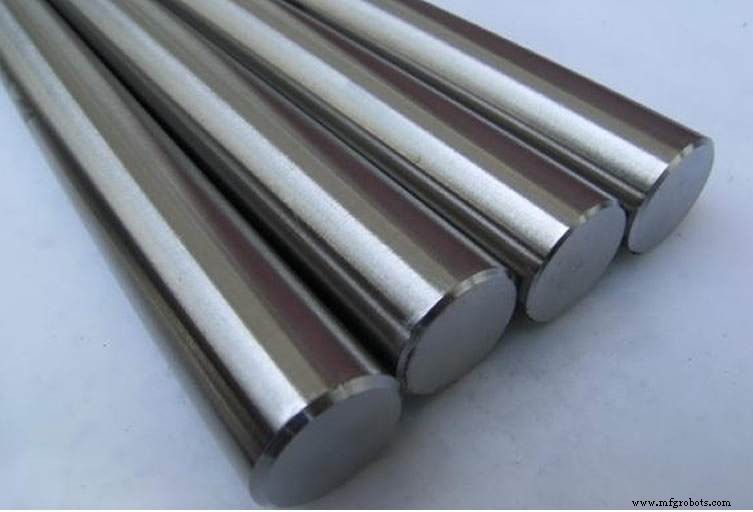
Refractory metals bars
Molybdenum Alloys
Molybdenum alloys offer a lower melting point than tantalum and tungsten yet boast the highest elastic modulus, lowest density and thermal expansion among refractory metals. Their creep resistance at elevated temperatures and superior welding performance make them ideal for turbine blades and high‑temperature seals. Russian research has identified 14 distinct alloy groups, primarily alloyed with titanium, carbon, rhenium, and zirconium, with additional nickel, niobium, and boron to fine‑tune mechanical properties. Rhenium, in particular, enhances low‑temperature plasticity, reduces post‑recrystallization brittleness, and improves high‑temperature stability and thermal shock resistance.
Refractory metals
Tantalum Alloys
Featuring a high melting point, minimal thermal expansion, and outstanding thermal‑shock resistance, tantalum alloys excel in forming toughness. However, their oxidation resistance deteriorates above 500 °C, necessitating surface coatings. Advances in the United States and Russia have optimized creep behavior and strength for static air environments, ensuring reliable performance in high‑temperature reactors and aerospace components.
Tungsten Alloys
Woven with protective layers of boron and insoluble oxides, tungsten alloys provide high strength and thermal stability. Current research focuses on silicide coatings with self‑healing properties and composite layers of refractory oxides and silicides, creating long‑lasting, service‑specific protection for extreme‑temperature applications.
Conclusion
Thank you for exploring the evolving landscape of refractory metals. For deeper insights and high‑quality products—including tungsten, molybdenum, tantalum, rhenium, titanium, and zirconium—visit Advanced Refractory Metals (ARM), headquartered in Lake Forest, California. ARM supplies globally competitive refractory materials with unmatched quality and service.
Metal
- Rhenium: A Rare Refractory Metal with Strategic Value
- Tungsten: The World’s Most Refractory Metal and Its Applications
- The World's Most Refractory Material: Beyond Tungsten
- Metallic Glass: The Ultra‑Strong, Ultra‑Soft Alloy Bridging Metals and Glass
- Iridium Alloys: High‑Temperature, High‑Strength Applications in Aerospace, Energy, and Precision Engineering
- Tungsten: Properties, Applications, and Industry Overview
- Key Properties of Refractory Metals – What You Need to Know
- Materials Used in Boiler Tubes: Choosing the Right Steel, Stainless, Copper and More
- Sheet Metal Fabrication: From Design to Delivery – A Complete Process Guide
- How Metal Material Differences Affect Cutting Performance