



The World's Most Refractory Material: Beyond Tungsten
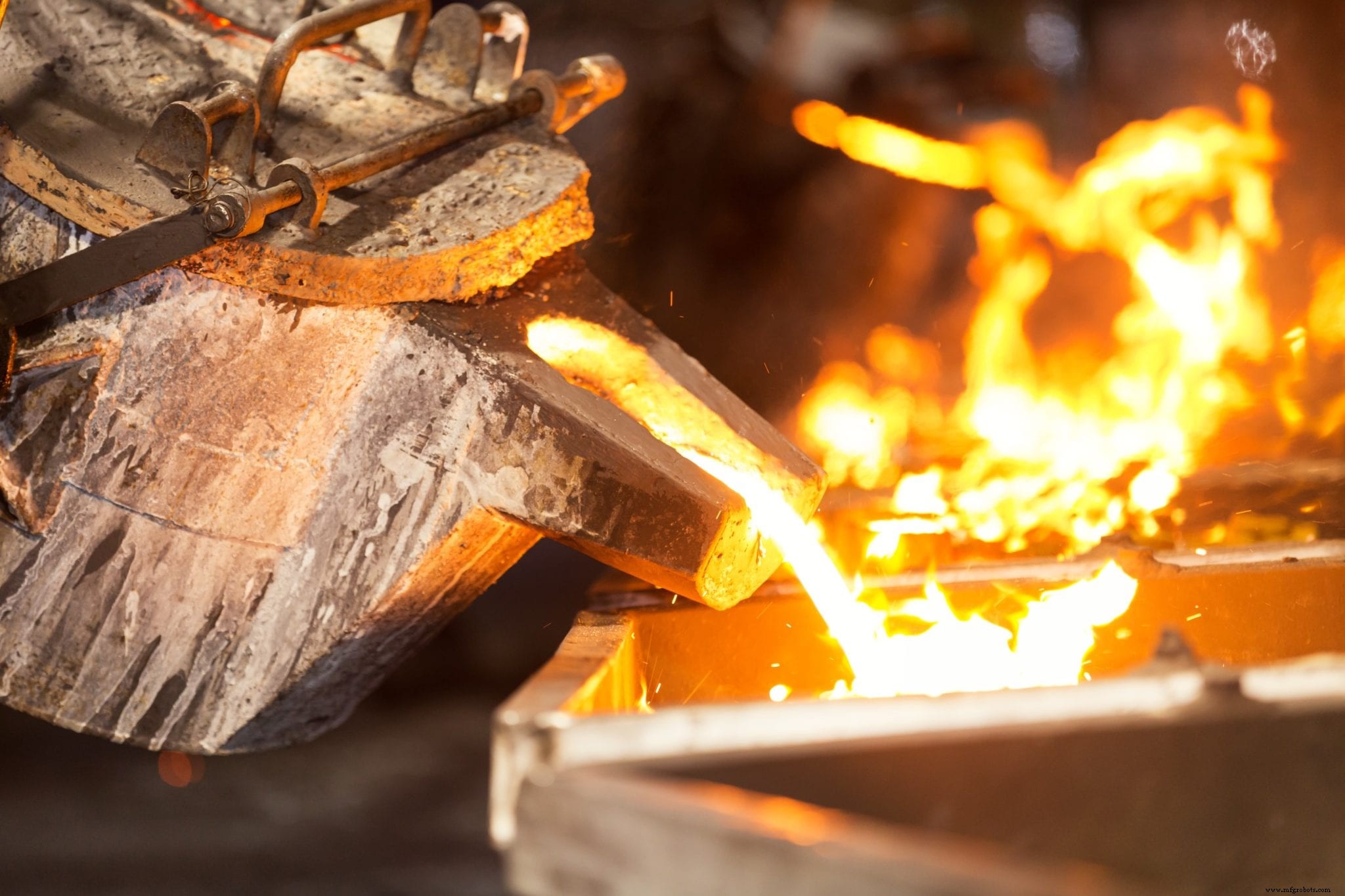
Which Substance Truly Holds the Record for Refractoriness?
When people ask which material has the highest melting point, the first answer that comes to mind is often tungsten. While tungsten is indeed the pure metal with the highest melting point among non‑alloys (3417 ± 10 °C), the title of the most refractory material belongs to a different class of compounds.
Recent work by Russian scientists has produced a powder mixture primarily composed of hafnium carbide (HfC) and hafnium nitride (HfN). Using pulsed‑flame sintering under extreme conditions, they achieved a melting point of 4,126.85 °C—well above any other known substance. Hafnium carbides and nitrides therefore represent the highest melting point materials in existence.
Refractory material
These ultra‑high temperature materials are poised for use in advanced sectors such as defense, aerospace, nuclear technology, and high‑temperature electronics. Current research focuses on optimizing the synthesis process and understanding solid‑state transformations to facilitate commercial deployment.
While hafnium carbide/nitride dominates the refractory realm, tungsten remains invaluable across many industries due to its exceptional properties. With a melting point of 3,417 °C, high density, excellent high‑temperature strength, and corrosion resistance, tungsten is indispensable in mining, metallurgy, machinery, construction, transportation, electronics, chemical processing, textile manufacturing, and defense.
Tungsten’s applications are diverse: from filament in incandescent lamps and X‑ray tubes to superalloys, welding electrodes, crucibles for single‑crystal growth, thermal conductors, and high‑density counterweights that extend component life.
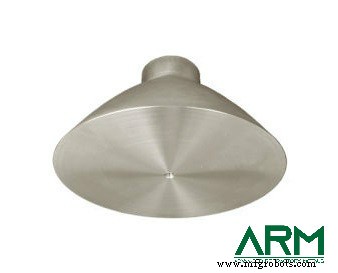
Tungsten‑alloy counter‑weight parts
In military technology, tungsten’s density makes it ideal for armor‑piercing munitions, including bullets, warheads, grenades, and tank guns, offering superior penetrative power without radioactivity.
Conclusion
Understanding the distinction between the highest‑melting pure metal and the most refractory material deepens our appreciation for material science breakthroughs. For further insights into refractory metals, visit Advanced Refractory Metals (ARM).
Based in Lake Forest, California, ARM supplies high‑quality refractory metals worldwide, including tungsten, molybdenum, tantalum, rhenium, titanium, and zirconium, at competitive prices. Explore their offerings at https://www.refractorymetal.org.
Metal
- Tungsten: The Ultimate Refractory Metal – Facts, Uses, and Applications
- Tungsten: The World’s Most Refractory Metal and Its Applications
- Top Applications of Tungsten Wire in Modern Industry
- Refractory Metal Materials: Current Applications and Key Alloy Innovations
- Tungsten: Properties, Applications, and Industry Overview
- Industrial Diamond: How Tungsten Powers Modern Technology
- Key Properties of Refractory Metals – What You Need to Know
- Materials Used in Boiler Tubes: Choosing the Right Steel, Stainless, Copper and More
- Common CNC Machine Malfunctions and How to Prevent Them
- Semi-Metallic, Ceramic, and Hybrid Brakes: Choosing the Most Efficient Friction Material