



Tungsten: The Ultimate Refractory Metal – Facts, Uses, and Applications
Tungsten: The Ultimate Refractory Metal – Facts, Uses, and Applications
Tungsten is a silver‑white metal renowned for its extraordinary heat tolerance. It is the material of choice for light‑bulb filaments, where temperatures exceed 3,000 °C. Its melting point of 3,410 °C means that most metals would liquefy or vaporise, but tungsten remains solid.
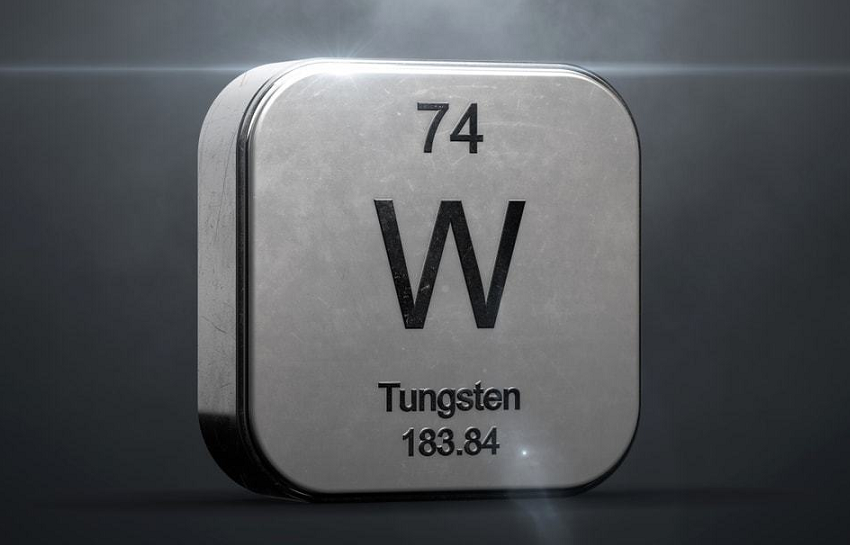
The Most Refractory Metal: Tungsten
Tungsten has been part of our daily life for centuries. Its exceptional refractory properties allow it to maintain structural integrity at temperatures that would melt or vaporise almost every other metal.
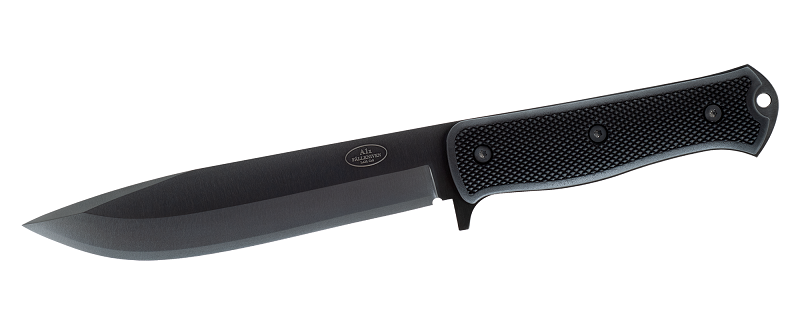
The Most Refractory Metal Tungsten
Tungsten was first isolated by Swedish chemist Carl Wilhelm Scheele in 1781 when he decomposed tungstic acid with acid. It wasn’t until 67 years later that a reliable process for producing pure metal was established.
In its pure form, tungsten is a silvery‑white metal; when it is ground into powder or drawn into wire, it takes on a gray‑black appearance. The blackening of incandescent bulbs over time is caused by a thin layer of tungsten powder that accumulates on the inner wall.
One cubic meter of tungsten weighs 19.1 tons – roughly the same as gold – which explains its Swedish name meaning heavy. Its extreme hardness is demonstrated by the fact that a 1 mm diameter wire can be drawn through more than 20 progressively smaller diamond holes to produce filaments only a few hundredths of a millimetre thick.
Today, tungsten remains essential in incandescent lamps, vacuum tubes, and iodine tungsten lamps. Global annual production of incandescent lamps and electron tubes exceeds one billion units.
However, the largest consumer of tungsten is the production of tungsten steel, which accounts for 90 % of worldwide tungsten output. Tungsten steel inherits tungsten’s refractory nature, retaining hardness up to 1,000 °C.
In machining, ordinary carbon‑steel tools soften above 250 °C and lose cutting ability, whereas tungsten‑steel tools remain hard even at 1,000 °C. The same principle applies to gun barrels that experience high temperatures from friction during rapid fire – tungsten‑steel barrels retain elasticity and strength under extreme conditions.
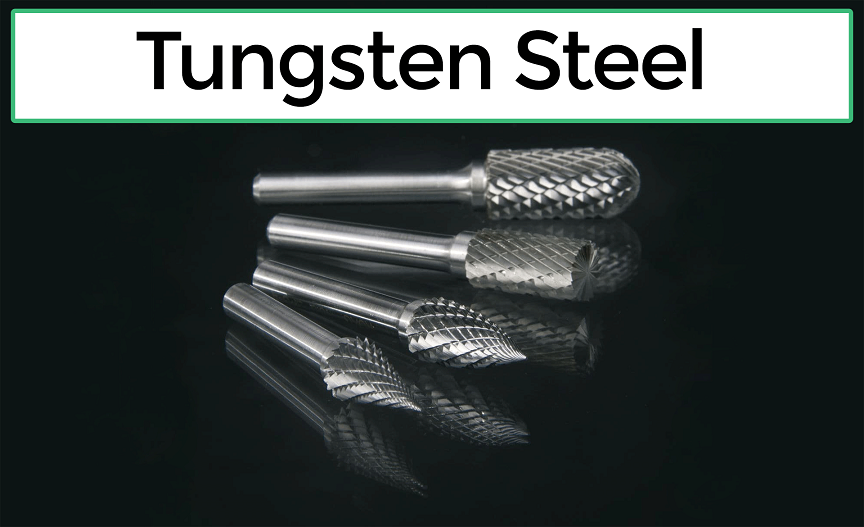
Tungsten carbide–cobalt cemented carbide is even harder than tungsten steel and approaches diamond in hardness. Cemented carbide finds widespread use in precision manufacturing: watch components, high‑pressure chemical nozzles, seamless steel pipe cores, and drill bits for heavy‑duty drilling.
Alloy variants such as tungsten–titanium and tungsten–chromium–cobalt cemented carbides are well‑known in the industry.
Wolfram’s chemical stability is remarkable. Even when heated, it does not react with hydrochloric or sulfuric acid, nor does it dissolve in aqua regia. Only a mixture of hydrofluoric and nitric acid can dissolve tungsten.
In the Earth’s crust, tungsten occurs at a concentration of 400 ppm. Its compounds are valuable in diverse applications: tungsten iodide and bromide for novel light sources, sodium tungstate for fire‑proof fabrics, lead tungstate as a white pigment, and tungsten oxide as a yellow pigment.
Conclusion
We hope this article has deepened your understanding of tungsten, the world’s most refractory metal. For more detailed information, visit Advanced Refractory Metals (ARM), headquartered in Lake Forest, California. ARM is a leading global supplier of refractory metals, offering high‑quality tungsten, molybdenum, tantalum, rhenium, titanium, and zirconium at competitive prices.
Metal
- Tungsten: The World’s Most Refractory Metal and Its Applications
- The World's Most Refractory Material: Beyond Tungsten
- Refractory Metals: Properties, History, and Modern Applications
- Round Steel Bars: Key Properties, Applications, and Selection Guide
- Precision Metal Stamping Explained: Modern Tech & Automation
- The Comprehensive Guide to Metal Casting: Techniques, Materials, and Applications
- Inside a Wind Turbine: How It Converts Wind into Power
- Metal Casting 101: A Comprehensive Guide to the Art of Molding Metal
- The Comprehensive Guide to Metal Rolling Processes
- Mastering Industrial Metal Finishing: A Comprehensive Guide