



Refractory Metals: Properties, History, and Modern Applications
Refractory Metals: Properties, History, and Modern Applications
If you’re exploring the world of refractory metals, you’ve landed in the right place. This guide covers everything from their defining characteristics to their pivotal role in today’s high‑technology industries.
Refractory Metals Overview
What Are Refractory Metals?
Refractory metals are elements that melt above 3632 °F (2000 °C) and occur in limited natural reserves. The group includes tungsten (W), tantalum (Ta), molybdenum (Mo), niobium (Nb), hafnium (Hf), chromium (Cr), vanadium (V), zirconium (Zr), and titanium (Ti).
These metals are dense and heavy. When alloyed with other elements, they form refractory metal alloys such as tungsten alloys, molybdenum alloys, niobium alloys, titanium alloys, vanadium alloys, chrome alloys, rhenium alloys, and zirconium alloys.
Refractory metals are manufactured into sheets, strips, foils, pipes, bars, threads, profiles, and powders—examples include tantalum bars, molybdenum wire, and tungsten plates.
Discovery of Refractory Metals
Because of their reactive chemistry and complex extraction methods, refractory metals were identified relatively late in scientific history. Key milestones include:
- Molybdenum (Mo) discovered in 1782 by Swedish chemist J. Hjelm.
- Tungsten (W) isolated by Spanish brothers de Lure in 1783 using carbon reduction.
- Chromium (Cr) extracted by French chemist L. N. Vauquelin in 1798.
- Niobium (Nb) discovered in 1866 by C. W. Blomstrand via hydrogen reduction of niobium chloride.
- Tantalum (Ta) isolated in 1903 by German metallurgist Bolton.
- Zirconium (Zr) and titanium (Ti) first identified in 1824 and 1910, respectively.
- Rhenium (Re) discovered in 1925.
Development and Processing Technologies
Widespread industrial use began in the 20th century. Notable advances include:
- 1909 – W. D. Coolidge first produced tungsten billets via powder metallurgy, later turned into light‑bulb filaments.
- 1910 – Molybdenum processed into rods, plates, and wires.
- 1940s – Rapid progress driven by aviation, aerospace, electronics, and nuclear demands.
- 1940s – Introduction of vacuum electric‑arc furnaces.
- 1950s – Electron‑beam smelting furnaces.
- 1960s onward – Cold and hot isostatic pressing, precision casting, isothermal deformation, welding, and advanced powder metallurgy.
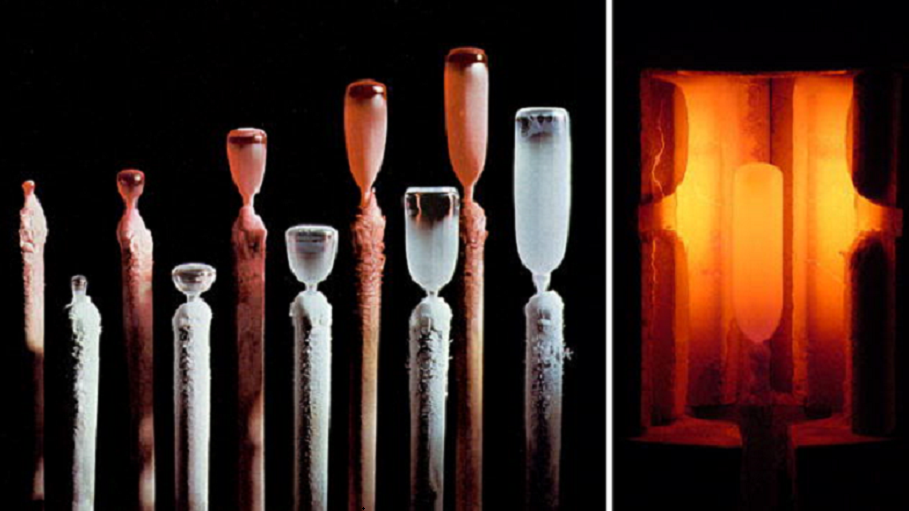
By 1956, A. Caverly produced ultra‑pure tungsten, molybdenum, and rhenium single crystals using electron‑beam suspension smelting.
Key Properties
Low‑Temperature Brittleness & Ductile‑Brittle Transition
Refractory metals exhibit high toughness at elevated temperatures but become brittle at low temperatures. The ductile‑brittle transition temperature (DBTT) is critical for design and processing. Reducing DBTT can be achieved by alloying (e.g., adding rhenium to tungsten) or selecting appropriate plastic‑forming methods.
Oxidation Resistance
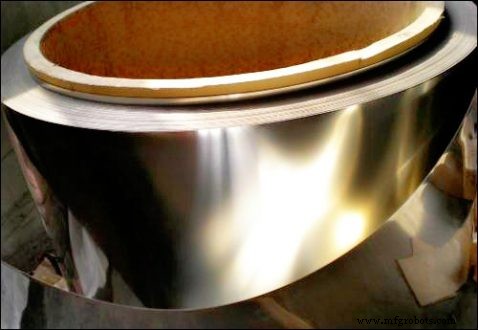
While stable at room temperature, these metals oxidize rapidly above certain thresholds: W and Mo at ~752 °F (400 °C), Re at 572 °F, Ta at 536 °F, Nb at 392 °F, Ti and Zr above 1112–1292 °F. Oxidation can lead to sublimation and material loss. Solutions include developing antioxidant alloys and applying protective coatings, though high‑temperature oxidation remains a challenge.
Oxidation Resistance
Hydrogen Interaction
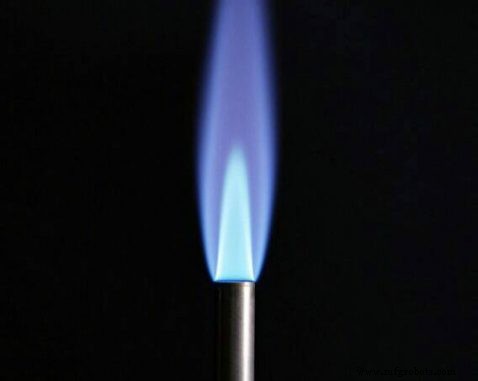
Tungsten, molybdenum, and rhenium resist hydrogen but their oxides can be reduced by hydrogen at elevated temperatures. However, hydrogen absorption can induce brittleness between 572–932 °F. In high‑vacuum environments, hydrogen desorption allows these metals to be used in alloy powder production for Ti, Zr, Ta, and Nb.
Hydrogen Reaction
Corrosion Resistance
At temperatures below 302 °F (150 °C), tantalum forms a dense, stable oxide film, granting exceptional chemical stability. Tantalum resists sulfuric, hydrochloric, nitric, phosphoric, and organic acids but melts in hydrofluoric acid, concentrated alkali, and molten base. Niobium offers similar protection, slightly less robust than tantalum. Tungsten is stable in common acids but vulnerable to sodium nitrate. Molybdenum falls between tungsten and niobium in corrosion tolerance.
Collectively, tantalum, niobium, titanium, and zirconium serve as excellent anti‑corrosion barriers and protective layers.
Applications Across Industries
Nuclear Industry
Zirconium tubes, tungsten, and molybdenum are indispensable in nuclear reactors. Zirconium’s resistance to radiation and aqueous corrosion makes it ideal for “clean water” reactor pipelines. Tungsten‑based high‑density alloys function as inertial energy‑storage devices, sustaining a 3–5 min cooling cycle post‑accident, providing critical emergency time. Refractory metals also house nuclear waste tanks.
Electronic Information Technology
Advances in integrated circuits demand materials that withstand extreme heat. Tungsten and molybdenum substrates are increasingly used for sub‑0.2 µm interconnects. Tungsten alloys and W‑Cu composites excel as electrodes in EDM, electric locomotive guide blocks, ultra‑high‑voltage switches, and welding equipment. W‑Re alloys have largely replaced platinum in thermocouples, and high‑performance tungsten‑rhenium wires power TV picture tubes.
Space, Ocean, and Medicine
Refractory metals’ resilience to radiation and corrosive environments makes them vital for space stations, underwater habitats, and biomedical devices. Titanium’s light weight and strength support permanent ocean‑floor structures. Niobium alloys resist blood corrosion, enabling vascular scaffolds. Tungsten and its alloys serve as X‑ray targets, ultrasonic stone‑crushing electrodes, gamma‑knife collimators, and other advanced medical instruments.
Other Applications
Tungsten and molybdenum dominate high‑temperature furnaces as heating elements, heat shields, crucibles, and support components for rare‑earth smelting. They replace platinum in glass and glass‑fiber manufacturing, offering economic and performance benefits. In the textile industry, refractory metals act as electrothermal elements and temperature‑measuring sleeves for zinc smelting and electrothermal knives.
Conclusion
Thank you for exploring the comprehensive world of refractory metals. For deeper insights, visit Advanced Refractory Metals (ARM) to discover the latest developments and applications.
Metal
- Mastering Metal Binder Jetting: Innovation, Applications, and Industry Opportunities
- Emergency Maintenance: Minimizing Risks and Responding Effectively
- Comprehensive Guide to Stainless Steel Pipes: Types, Properties, Applications & Standards
- Industrial IoT Demystified: A Comprehensive Guide
- Wire EDM Machining: Expert Guide to Precision Cutting & Advanced Benefits
- The Ultimate Guide to Throw Blankets: Comfort, Size, and Quality Tips
- Everything You Must Know About Wi‑Fi 6E: The Next‑Generation Wireless Revolution
- Master CMMS Software: The Complete Guide to Preventive Maintenance Success
- Comprehensive Guide to Coil Slitting Lines: Cutting Steel Coils with Precision
- Sheet Metal Essentials: Types, Uses, and Manufacturing Insights