



Tungsten: The World’s Most Refractory Metal and Its Applications
Tungsten: The World’s Most Refractory Metal
For centuries, tungsten has been hailed as the “high‑temperature champion” of the non‑ferrous metal family. In 1781, Swedish chemist Seller first decomposed tungstic acid with acid to isolate the element. After extensive research, pure tungsten metal was produced in 1848, and it now holds the record for the highest melting point among metals at 3,380 °C.
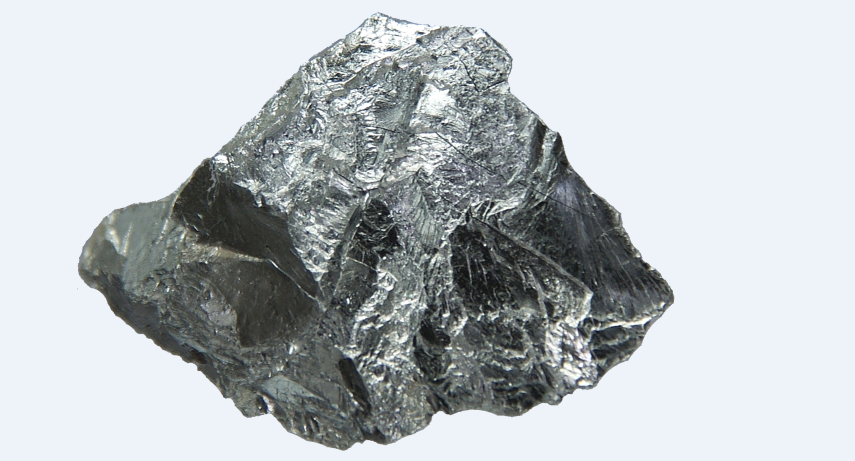
Refractory metals are defined as elements with melting points above 1,650 °C, or those that exceed the melting point of zirconium (1,852 °C). Classic examples include tungsten, tantalum, molybdenum, niobium, chromium, vanadium, zirconium, and titanium. A video demonstration (see below) illustrates tungsten’s resistance to extreme heat.
As a refractory metal, tungsten boasts superior high‑temperature strength, excellent resistance to molten alkali metals, and only forms volatile oxides at temperatures above 1,000 °C. These traits make it indispensable in metallurgy, chemical processing, electronics, lighting, and machining.
Despite its remarkable properties, tungsten’s high plastic‑brittle transition temperature limits room‑temperature workability. Nevertheless, its outstanding hardness—paired with rare plasticity—allows a 1‑kg tungsten rod to be drawn into more than 300 km of wire.
In incandescent lamps, the filament reaches temperatures above 3,000 °C. While other metals melt or vaporize, tungsten’s melting point keeps it solid, granting it the highest luminous efficiency and longest service life among filament materials.
Welding and machining often rely on tungsten steel, an alloy that can be several times stronger than conventional steel. Tungsten‑steel barrels, for instance, retain elasticity and mechanical integrity even after repeated projectile impact.
Key Takeaways
Thank you for exploring tungsten’s unique attributes. For deeper insights into tungsten and other refractory metals, visit Advanced Refractory Metals (ARM), a global leader in high‑quality refractory metal supply.
Headquartered in Lake Forest, California, ARM offers a broad range of products—including tungsten, molybdenum, tantalum, rhenium, titanium, and zirconium—at competitive prices.
Metal
- Tungsten: The Ultimate Refractory Metal – Facts, Uses, and Applications
- Rhenium: A Rare Refractory Metal with Strategic Value
- The World's Most Refractory Material: Beyond Tungsten
- Refractory Metal Materials: Current Applications and Key Alloy Innovations
- Metallic Glass: The Ultra‑Strong, Ultra‑Soft Alloy Bridging Metals and Glass
- Tungsten: Properties, Applications, and Industry Overview
- Industrial Diamond: How Tungsten Powers Modern Technology
- Key Properties of Refractory Metals – What You Need to Know
- Top Raw Materials for Reliable Metal Stamping: A Practical Guide
- Sheet Metal Fabrication: From Design to Delivery – A Complete Process Guide