



Industrial Diamond: How Tungsten Powers Modern Technology
Industrial Diamond: How Tungsten Powers Modern Technology
With an atomic number of 74 and an atomic weight of 183.84, tungsten is a dense, gray‑silver metal that remains remarkably hard and stable even at the extreme temperatures of 3,422 °C. Its unique combination of high melting point, excellent corrosion resistance, and superior mechanical strength makes it the “industrial diamond” of the 21st‑century.
Key Properties of Tungsten
Tungsten’s hardness rivals that of diamond, and it is the only metal that can withstand temperatures up to 3,422 °C without melting. Its low thermal expansion coefficient, excellent electrical conductivity, and resistance to oxidation make it ideal for high‑temperature alloys and precision components.
Tungsten in High‑Performance Applications
Widespread industrial uses include:
- Filaments for incandescent lamps and high‑brightness LEDs.
- High‑speed cutting tools and carbide inserts that retain sharpness in extreme heat.
- Super‑hard molds for injection molding and die casting.
- Special alloys for aerospace, energy, and electronics where weight savings and durability are critical.

Tungsten in the Military
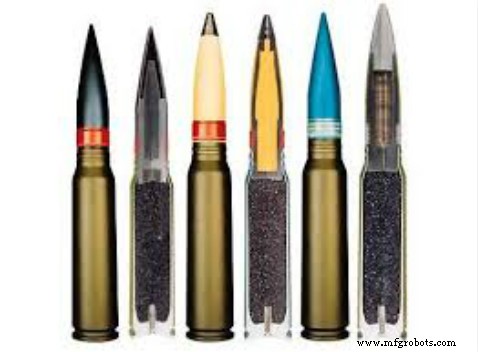
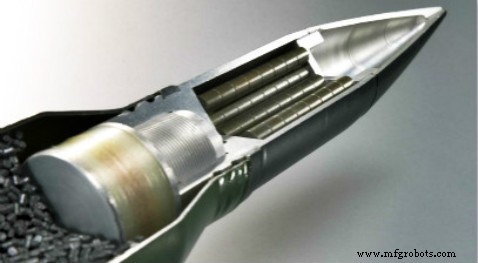
In defense, tungsten alloys are prized for their density and hardness. They form the core of armor‑piercing ammunition, such as the tungsten‑heart APDS (Armor‑Piercing Discarding Sabot) developed in the 1970s. These projectiles offer:
- Higher initial velocity and lower trajectory.
- Precision impact on high‑speed targets.
- Enhanced penetration against multi‑layered armor.
Why Tungsten Replaces Depleted Uranium
Depleted uranium, a by‑product of nuclear reactors, was once favored for its extreme density (24 g/cm³). However, its use releases toxic, radioactive dust that can cause severe health and environmental damage. The European Parliament’s 2001 resolution called for a ban on depleted‑uranium weapons, leading to a global shift toward tungsten alloys. Today, tungsten remains the only viable, non‑radioactive alternative that meets the rigorous performance standards of modern armaments.
Conclusion
From cutting‑edge manufacturing to critical defense systems, tungsten’s unmatched properties cement its status as the industrial diamond. For more in‑depth information on tungsten and other refractory metals, visit Advanced Refractory Metals, a trusted provider of high‑quality tungsten products at competitive prices.
According to the USGS, China holds the largest global tungsten reserves, underscoring the metal’s strategic importance worldwide.
Metal
- Top Applications of Tungsten: From High‑Strength Alloys to Advanced Electronics
- Tungsten: The World’s Most Refractory Metal and Its Applications
- Top Applications of Tungsten Wire in Modern Industry
- The Strategic Applications of Rhenium: From Catalysts to Aerospace
- The World's Most Refractory Material: Beyond Tungsten
- Tungsten: Properties, Applications, and Industry Overview
- Understanding the Fourth Industrial Revolution: Transforming Modern Manufacturing
- Tungsten: Key Properties and Industrial Applications
- High‑Speed Steel vs. Tungsten Steel: Key Differences Explained
- Collaborative Robots vs. Industrial Robots: Key Differences Explained