



The Strategic Applications of Rhenium: From Catalysts to Aerospace
Rhenium’s Strategic Applications in Modern Industry
Rhenium is a scarce, high‑melting‑point metal renowned for its excellent mechanical strength, corrosion resistance, and catalytic properties. It can be shaped into plates, rods, sheets, and wires, making it indispensable across several high‑technology sectors.
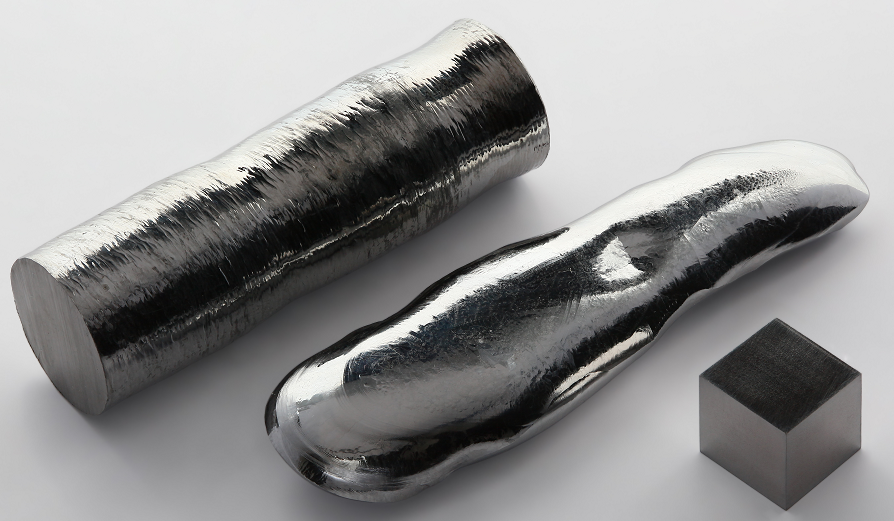
The Amazing Uses Of Rhenium
1. Catalyst for Petrochemical Processes
Rhenium and its compounds exhibit outstanding catalytic activity, especially in hydrodesulfurization and hydrogenation. Globally, more than 60% of rhenium consumption is tied to the petrochemical sector, underscoring its critical role in refining and chemical synthesis.
2. Aerospace and National Defense
With a melting point of 3,180 °C—second only to tungsten—rhenium alloys excel in extreme environments. The Re‑25‑W alloy once powered space‑station nuclear reactors, while Re‑Mo alloys maintain strength at 3,000 °C, making them ideal for supersonic aircraft, missile components, and heat shields.
Rhenium Alloy
3. High‑Temperature Thermocouples and Heating Elements
Re‑3‑W and Re‑25‑W thermocouple wires provide a linear voltage‑temperature relationship across 0–2,485 °C, enabling precise high‑temperature measurements. Rhenium‑based heating elements, such as the Re‑8‑12‑Ni‑Cr alloy, outlast tungsten or molybdenum components by 5–10×, delivering nine times the service life in demanding applications.
4. Advanced Electronics and Vacuum Technologies
Alloys of rhenium with tungsten, molybdenum, or platinum group metals deliver high melting points, electrical resistance, and environmental stability. Tungsten wires doped with 3–20% rhenium resist fracture, improve elongation, and withstand vibration—critical for vacuum systems, electronic devices, and filament production.
5. Protective Coatings and Welding Enhancements
Rhenium’s high melting point and corrosion resistance make it an excellent coating material. Rhenium‑coated wires, sheets, and tubes protect against acids, alkalis, seawater, and sulfurous gases, and are widely used in maritime and chemical processing. Adding rhenium to tungsten or molybdenum alloys enhances strength, plasticity, and weldability, producing robust welding rods for high‑temperature applications.
Conclusion
Rhenium’s unique properties position it as a cornerstone of advanced manufacturing, from catalytic reactors to aerospace engineering. For deeper insights into refractory metals and high‑performance alloys, visit Advanced Refractory Metals (ARM), headquartered in Lake Forest, California.
ARM specializes in high‑quality refractory metals—molybdenum, tantalum, rhenium, tungsten, titanium, and zirconium—offering competitive pricing worldwide.
Metal
- Molybdenum Rods: Types, Applications, and Care
- Top Applications of Tungsten Wire in Modern Industry
- Applications of Zirconium‑Containing Refractories: Performance, Use Cases, and Benefits
- How Titanium Shapes Modern Bicycle Design
- Red vs. Yellow Brass: Composition, Uses, and Key Differences
- Turmeric: Culinary Mastery, Health Benefits, and DIY Dyeing Techniques
- CNC Machines: Key Uses and Applications in Modern Manufacturing
- Carbon Fiber Applications: Driving Innovation Across Industries
- 12-Inch-Thick Aluminum Plates: Versatile Applications & Key Benefits
- Polystyrene Applications: From Packaging to Construction