



How Titanium Shapes Modern Bicycle Design
How Titanium Shapes Modern Bicycle Design
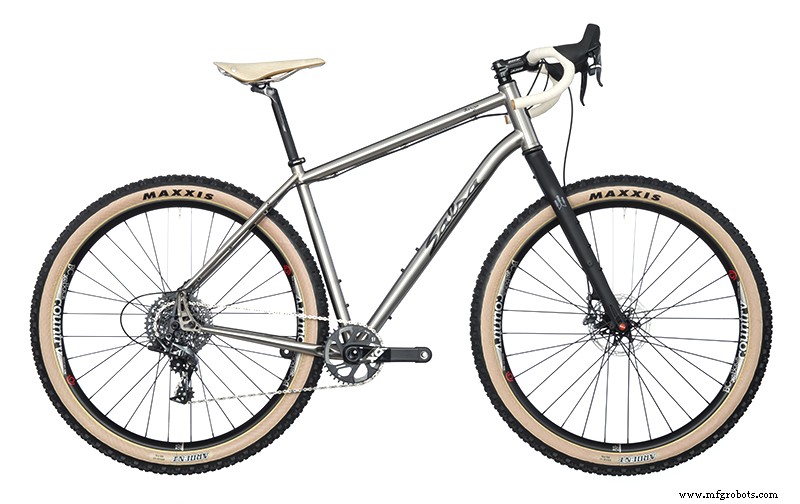
Titanium has been a cornerstone of high‑performance bicycle and wheelchair construction since the mid‑1980s. Its exceptional strength‑to‑weight ratio, corrosion resistance, and fatigue durability make it ideal for the demanding environments cyclists and users of assistive devices face.
Titanium in the bicycle industry
Bicycle Frames
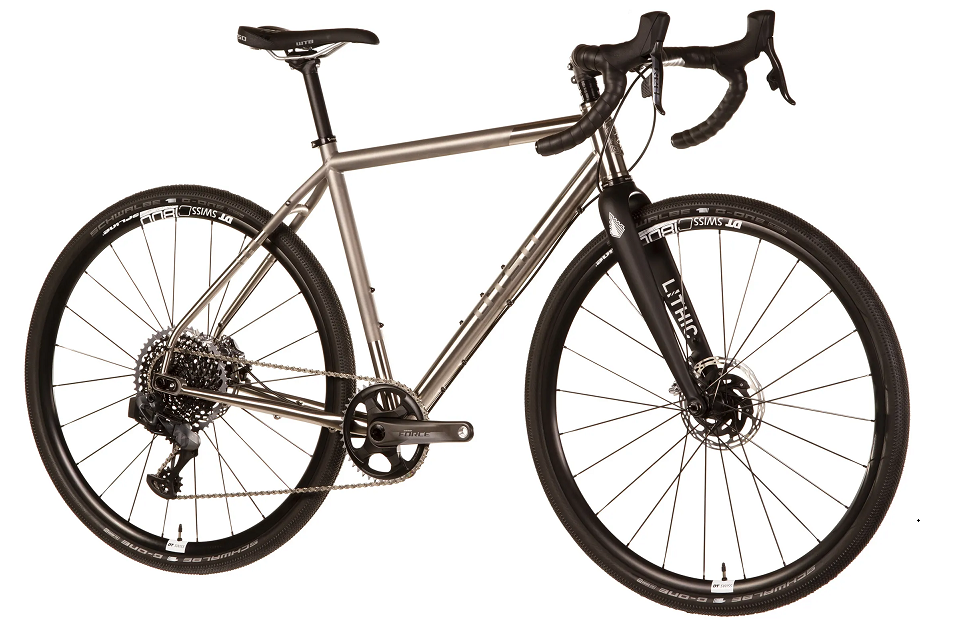
Today, almost 50 manufacturers worldwide produce titanium bicycle frames. Roughly 90% of the global output comes from a handful of original‑equipment manufacturers, while the remaining 10% is produced domestically in the United States—the country’s largest producer and consumer of titanium bicycles.
Price ranges reflect the material’s premium status: a titanium frame typically costs between $1,600 and $3,500, while a complete bike with titanium components can retail for $2,400 to $6,000.
Key Bicycle Components
Critical parts such as cranks, pedals, and handlebars are often machined from Ti‑6Al‑4V rods or plates. Titanium suppliers are increasingly offering cost‑effective alloys derived from surplus aviation stock, enabling component manufacturers to keep prices competitive while maintaining performance.
Wheelchair Frames and Parts
Unlike the bicycle market, the wheelchair sector sees only a limited number of titanium frames—most are constructed from seamless pure titanium tubes. The total titanium demand for wheelchairs is around 55 t. Few U.S. companies have the research and development budget to mass‑produce titanium wheelchairs, and the advantages over lighter aluminum alternatives are modest. Currently, titanium is most commonly used for high‑strength screw bolts in wheelchair assemblies.
For applications that demand compactness, stiffness, and lightweight, aluminum and cast aluminum remain the most economical choices. However, should the price of titanium matrix composites (MMCs) drop, titanium could become a viable substitute for certain aluminum components.
Thank you for reading. For deeper insights into titanium’s role in the bicycle industry, visit samaterials.com.
Metal
- How Molybdenum Strengthens Steel: Key Applications in the Industry
- Molybdenum Rods: Types, Applications, and Care
- Top Applications of Tungsten Wire in Modern Industry
- The Strategic Applications of Rhenium: From Catalysts to Aerospace
- Red vs. Yellow Brass: Composition, Uses, and Key Differences
- Turmeric: Culinary Mastery, Health Benefits, and DIY Dyeing Techniques
- CNC Machines: Key Uses and Applications in Modern Manufacturing
- Carbon Fiber Applications: Driving Innovation Across Industries
- 12-Inch-Thick Aluminum Plates: Versatile Applications & Key Benefits
- Polystyrene Applications: From Packaging to Construction