



How Molybdenum Strengthens Steel: Key Applications in the Industry

How Molybdenum Strengthens Steel: Key Applications in the Industry
Molybdenum is a refractory rare metal with a long history of industrial use. Its alloys are indispensable in metallurgy, aerospace, and high‑performance engineering, offering unparalleled strength, toughness, and temperature resilience. In the steel sector, molybdenum’s contributions are critical for achieving superior mechanical properties and extended service life.
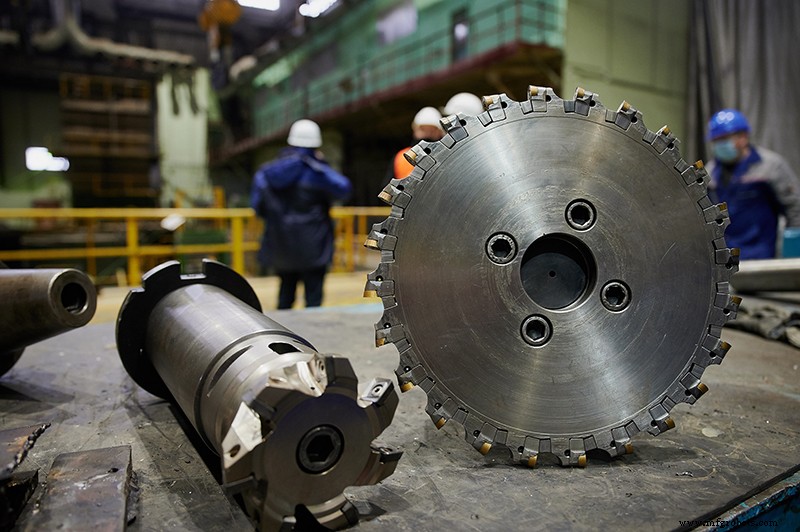
Molybdenum’s role in enhancing steel properties
During steel smelting, adding molybdenum lowers the pearlite transformation temperature, which boosts hardness and strength in cast iron. It also markedly improves high‑temperature creep resistance, allowing components to withstand prolonged exposure to heat without deformation.
High‑chromium cast irons that contain molybdenum exhibit significantly greater impact toughness than their molybdenum‑free counterparts. These alloys excel in abrasive, high‑wear environments such as mining, milling, and crushing, providing a cost‑effective alternative to more expensive friction materials and eliminating the need for costly heat treatments.
Combining molybdenum with silicon yields a steel that retains remarkable strength at 600 °C, making it ideal for turbocharger housings, engine exhaust manifolds, and furnace components. Ductile cast iron that is quenched from austenite features a unique microstructure with strengths exceeding 1,000 MPa and excellent impact toughness, suitable for large gears, crankshafts, and heavy‑equipment components in power generation, marine, and mining applications.
One challenge in producing high‑alloy steels is segregation during slow cooling, which limits alloy concentration. Powder metallurgy overcomes this by atomizing molten steel into rapidly cooling droplets, yielding a uniform microstructure and eliminating internal segregation. The resulting powders are used to manufacture high‑speed steel, stainless steel, and nickel‑based alloys with superior performance, indicating a promising future for next‑generation high‑alloy steels.
Conclusion
Understanding molybdenum’s role in steel enhances your ability to select the right materials for demanding applications. For more in‑depth information on molybdenum and its alloys, visit Advanced Refractory Metals (ARM), a global leader in refractory metal manufacturing based in Lake Forest, California.
Metal
- Molybdenum Plates: Key Applications & Benefits
- How Molybdenum Boosts Stainless Steel Performance
- Molybdenum: Key Applications in the Chemical Industry
- Why Molybdenum Dominates Glass Manufacturing
- Niobium’s Critical Role in Modern Steel Production
- Molybdenum Rods: Types, Applications, and Care
- 6 Key Applications of Molybdenum – From Steel to Medicine
- How Titanium Shapes Modern Bicycle Design
- Versatile Applications of Mild Steel: From Construction to DIY Projects
- Five Key Uses of Structural Steel in U.S. Construction