



Molybdenum: Key Applications in the Chemical Industry
Molybdenum: Key Applications in the Chemical Industry
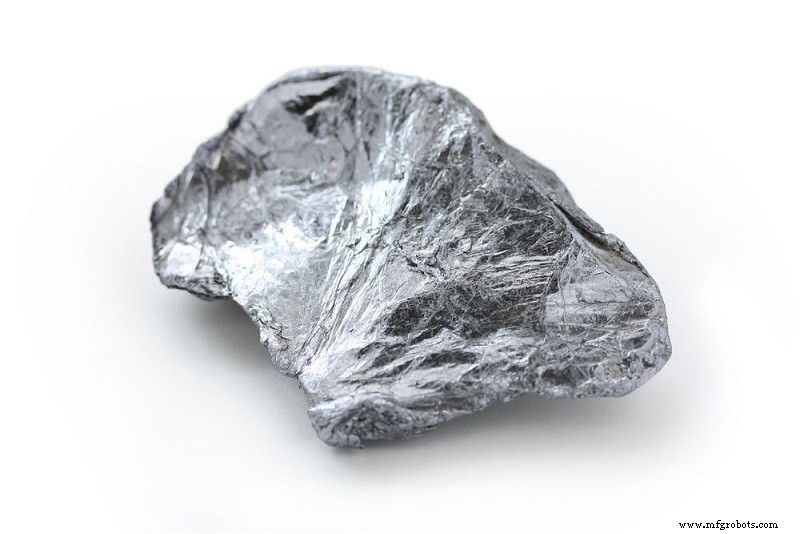
Molybdenum is a silver‑white metal with a density of 10.2 g / cm³, a melting point of 2 610 °C, and a boiling point of 5 560 °C. Its exceptional strength, high melting temperature, corrosion resistance, and wear resistance make it indispensable across steel production, petroleum refining, electronics, medicine, and agriculture.
In the chemical sector, molybdenum’s most valuable contributions come in the form of specialized catalysts, pigments, lubricants, and flame‑retardant additives. Below we explore each category in detail.
Catalysts
Compounds such as molybdenum sulfide and molybdenum oxide are widely employed as catalysts in oil refining, ammonia synthesis, and the production of a broad range of organic chemicals. Their ability to facilitate reactions at high temperatures and harsh conditions has driven continuous expansion of molybdenum‑based catalysts in modern petrochemical plants.
Pigments
There are three principal classes of molybdenum pigments:
- Molybdenum orange – a vivid pigment used extensively in automotive coatings and printing inks.
- Basic coloring pigments – blends that broaden the color palette for paints and plastics.
- Anticorrosive pigments – formulated from zinc molybdate, calcium molybdate, or sodium molybdate, these pigments enhance the corrosion resistance of steel and other metals. Their adoption in the iron‑and‑steel industry is accelerating rapidly.
Lubricants
Pure molybdenum disulfide is a premier solid lubricant. It performs exceptionally under high temperature and pressure, making it ideal for bearings and other high‑stress components. The powdered form can be dispersed in greases or incorporated into paints, where it smooths contact surfaces and mitigates wear.
Smoke Suppressants & Flame Retardants
Additives containing calcium molybdate or zinc molybdate are added to paints and plastics to suppress smoke generation. These compounds carbonize the material upon heating, thereby reducing fire spread and smoke production.
Conclusion
Understanding molybdenum’s multifaceted role in the chemical industry underscores its strategic importance. For deeper insights into molybdenum, its alloys, and other refractory metals, we recommend visiting Advanced Refractory Metals (ARM), a leading global supplier headquartered in Lake Forest, California.
Metal
- Molybdenum Plates: Key Applications & Benefits
- How Molybdenum Strengthens Steel: Key Applications in the Industry
- Why Molybdenum Dominates Glass Manufacturing
- Molybdenum Rods: Types, Applications, and Care
- 6 Key Applications of Molybdenum – From Steel to Medicine
- How Titanium Shapes Modern Bicycle Design
- 4 Proven Ways Carbon Fiber Fabric Transforms Modern Medicine
- How the Auto Industry Leverages IoT: 6 Key Innovations
- Nitrogen: The Chemical Industry’s Essential Protective Blanket
- Nitrogen’s Role in the U.S. Plastics Industry: Key Applications Explained